

The Difference Between Morning People And Night Owls Is Easily Explained By Science
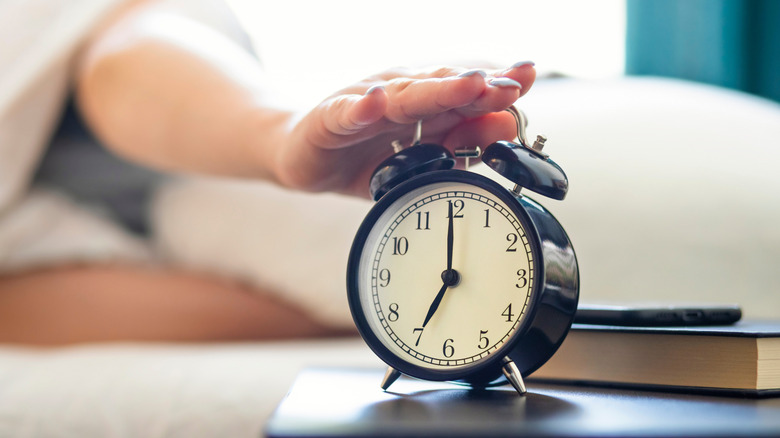
If you consider yourself a night owl, you might have some trouble understanding how a morning person might actually prefer to go to bed early and wake up early, and vice-versa. For a long time, such patterns were often regarded as lifestyle-related, yet it turns out it's really not so easy for early birds to stay up late, or for night owls to wake up early in the morning. This all has to do with their unique chronotypes that dictate their sleep-wake patterns.
Age, location, and type of job are just a few factors that influence chronotypes. Collectively, these can determine whether you're more likely to be a morning person, a night owl, or neither (also called an intermediate chronotype). Your chronotype also influences the time of day you're most energetic, creative, and productive, as well as when you're most likely to socialize and eat meals. Scientists now know that a person's chronotype has strong genetic connections that go beyond lifestyle habits.
Over the last decade, researchers have started uncovering how certain genes can explain why certain people are more likely to be early birds and vice-versa thanks to the rise of genome-wide association studies. In particular, scientists have noted variations in the period circadian clock 3 (PER3) gene. While PER3 has long been known to influence circadian rhythms (sleep-wake cycles) directly, researchers are also looking at how variations might factor into a person's chronotype. These genetic patterns can also determine when hormones like melatonin and cortisol are released in the body that influence your ability to fall asleep, too. Such findings not only have helped scientists better understand varying chronotypes, PER3 might even influence a person's risk for developing physical and mental health conditions, too.
The implications of each chronotype on overall health and well-being
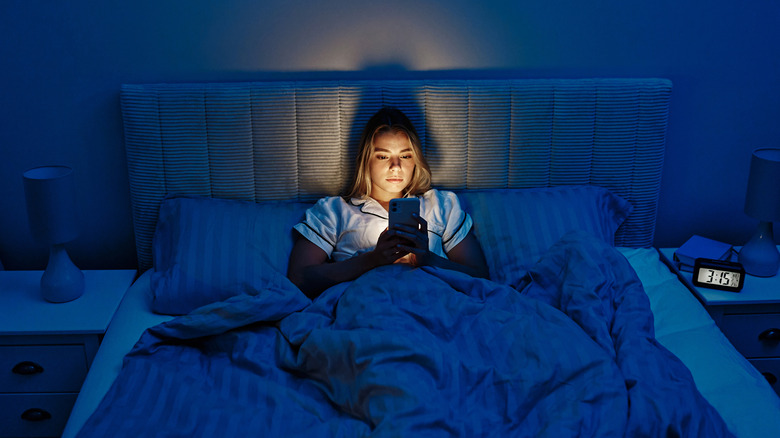
Unsurprisingly, there are some pros and cons associated with each chronotype. Morning people are far more likely to perform well at school and in jobs with early start times, as these are the blocks of time they have the most energy. Yet early risers may also struggle with participating in social events occurring later in the day, due to their inherent need to go to bed earlier. Night owls tend to present with the opposite struggles. They are most likely to thrive in the evening and during late night social gatherings, but may have trouble with school hours and a typical "8-to-5" job. When a night owl does work typical office hours, they're most likely to try to catch up on sleep during weekends (this also happens to be a sleep shortcut scientists don't want you to trust!).
What's more, night owls may be at a greater risk of certain health conditions connected with poor quality of sleep, such as metabolic disorders, cardiovascular disease, and mental health disorders. A study of more than 697,000 people published in Nature Communications in 2019 confirmed new genetic dispositions to chronotypes, but the authors also noted that further research is needed to determine whether night-owl chronotypes directly cause these health concerns.
What science says about changing your chronotype
If you're wondering whether you can change your inherent chronotype to better fit your overall schedule, it's first important to understand that a person's chronotype is not the exact same thing as circadian rhythm. While your chronotype might influence what times of day you are most likely to try to get some shut-eye, it cannot inherently be changed as dramatically as some might hope.
At the same time, all is not lost if you need to change your sleep patterns that go against the grain of your natural chronotype. For example, if you are a consistent night owl, it's unlikely that you will suddenly transform into an early bird — but you might find strategies to help you get more sleep during the work week. Common examples include consistent sleep and wake times every day, as well as eating balanced meals at regular times throughout the day. Sometimes sleep-inducing melatonin may offer temporary relief, but it's important that you talk with a doctor before taking any supplements proven to help with sleep due to possible short-term and long-term risks.
Finally, while you cannot change your genes, your chronotype does tend to gradually shift on its own as you age. Such changes are perhaps most notable in people who identify as night owls earlier in life, and then find themselves going to bed and waking up earlier later in adulthood. No matter what your chronotype is, it's important to focus on regular sleep patterns throughout different life stages, as irregular sleep habits can increase your risk of early death.