

The Overlooked Science Career That's Still In Surprisingly High Demand

Ask people about what a science career looks like and you might get a wide variety of answers. Some might mention physicists working recreate the sun's power here on Earth, making nuclear fusion a commercial reality. Others might talk about biomedical breakthroughs that cure diseases. They might even dive into physicists delving into the very nature of the universe. But there's one science career area that is often overlooked and is in surprisingly high demand.
Geology often conjures mental images of a researcher scaling cliffs and scrambling over boulders with hammer in hand. However, geology is a highly diverse field that interacts with a variety of important areas. Studying rocks is only part of the discipline. At the same time, there is actually a shortage of qualified geologists in the United States, and scientists in this area have one of the lowest unemployment rates of all of the science and technology fields. The job market is projected to grow over the next decade, with a significant portion of the current workforce nearing retirement, but there are not enough people graduating with degrees in the field to meet current demand.
More Than Just Looking at Rocks
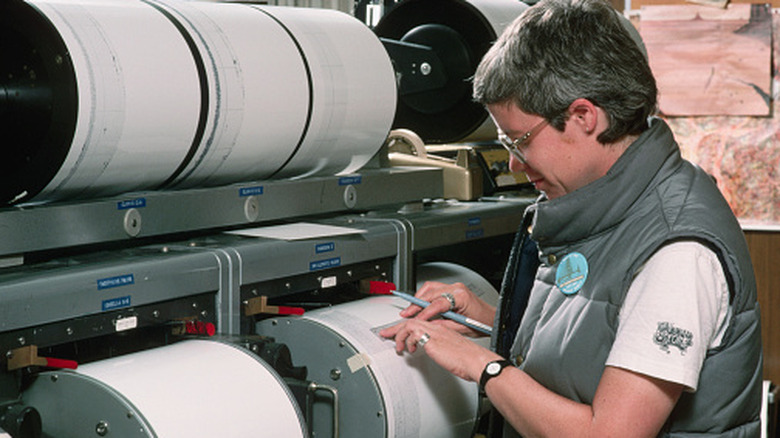
A big reason for the surprise about the demand for geology lies with misconceptions about what geologists do. The specialty likely to be most familiar is mineral geologists, who focus on deposits of useful minerals ranging from oil and gas to lithium and cobalt. Other fields like hydrology and hydrogeology are concerned with the movement and quality of water and with studying groundwater resources. Seismologists study how vibrations move through layers of rock beneath the ground, which can be useful for understanding how earthquakes affect people and land and for mapping structures under ground. Engineering geologists specialize in how Earth structures influence built structures like roads and buildings.
One of the biggest employers of geologists for years has been oil and gas and mining companies. Geologists in these roles are often paid more than the field's median salary of $92,000 per year; however, the cyclical nature of demand for mineral resources can make these fields somewhat unstable. Geologists also work in education, environmental consulting, and government roles. These fields sometimes have lower salaries with the tradeoff of greater stability.
High Demand for Earth Scientists
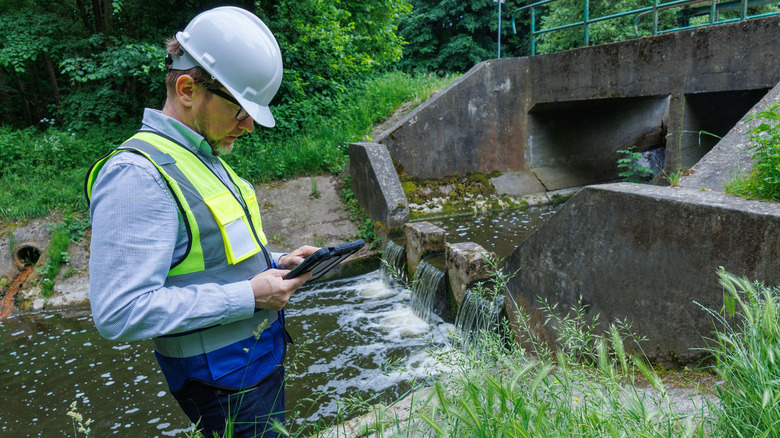
As of 2022, there were just over 26,000 employed geologists in the United States. The number of working scientists in this field is expected to grow by about 5% in the next decade. Jobs are concentrated in Texas, California, and Colorado; however, there are geologists working all over the country. Many of the jobs in geology are dealing with topics like resource conservation, soil management, and groundwater pollution.
Similarly, there is a growing need for scientists who can help design plans to deal with storm surge and flooding from powerful storms. Demand for geologists who can determine where to build solar, wind, and geothermal energy facilities is also increasing. There will also be a greater need for mining geologists to obtain the materials needed for clean energy and technology development.
Geologists need at least a bachelor's degree to enter the field, though in many areas a master's degree will open up more options. In addition, some states require additional credentials like state licensing to practice in the field. After all, geologists work in a wide variety of specialties, meaning its more than just walking around looking at rocks. With projected growth, high demand, and a limited supply of qualified graduates, geology is a good, if overlooked, field to enter.