

How Scientists Can Turn Air Into Gasoline
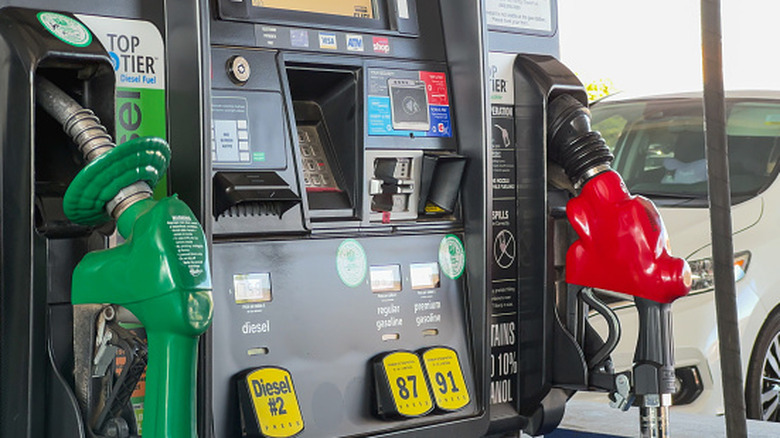
Earlier this year, the world saw rising prices for gasoline, with some regions looking at the prospect of fuel shortages. Gasoline has long been produced from petroleum, and the processes of drilling for, extracting, and refining oil all have environmental and financial costs. However, scientists at the New York-based technology startup Aircela have designed and built a device that uses a multi-step process to make gasoline that can be used in any conventional gasoline engine out of thin air.
The device uses several different well-documented processes to create fuel. The machine captures carbon dioxide from the air, which is then used as a feedstock in a multi-step process to make high-quality gasoline that is stored in a tank for later use. The device, which is the size of a refrigerator, can produce one gallon of gasoline per day and store up to 17 gallons. Aircela designed the device to run on renewable energy such as electricity from solar panels, meaning it could help reduce carbon emissions and produce sustainable gasoline at a cost of less than $1.50 per gallon under the right conditions.
How to Turn Air into Gasoline

The first step of Aircela's process is pulling carbon dioxide from the air. Air passes through the device and carbon dioxide binds to potassium hydroxide in a water-based solution. In a typical potassium hydroxide carbon capture system, calcium hydroxide is added to the solution to make calcium carbonate. Exposing this product to high temperatures yields calcium oxide and concentrated carbon dioxide that can be stored, leaving behind potassium hydroxide that can be reused to capture more carbon dioxide. Aircela say their machine can capture more than 20 pounds of carbon dioxide from the air each day.
Although the Aircela machine captures carbon dioxide it uses a process known as electrolysis to break water molecules into hydrogen and oxygen. It stores the hydrogen and safely releases oxygen to the surrounding air. The machine then can take stored hydrogen and carbon dioxide and combine them in the presence of a catalyst to produce methanol, a type of alcohol, using a process known as direct hydrogenation. The resulting methanol is then vaporized and superheated with an aluminosilicate catalyst using a well-established process known as methanol-to-gas first developed in the 1970s.
Renewable Energy Sources Required
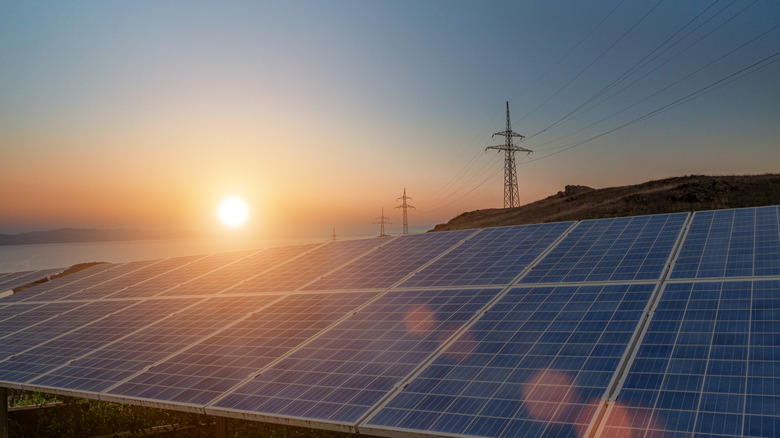
While this device has shown it can make gasoline from air, the multi-step process it uses is energy intensive. With a target efficiency of about 50%, Aircela's design would take the energy available in two gallons of gasoline to make one gallon of fuel. Getting the necessary electricity from a grid powered by coal or natural gas would defeat the purpose of this design. Thus Aircela built their design to use renewable energy. Using solar panels would also reduce the recurring costs involved in making fuel. Their design also requires water, but in more humid settings the device can reclaim some of the water used.
Another key aspect of the device is the way it's designed to scale up. While a single device can only make one gallon of gasoline per day, it's possible to combine many machines to increase production. If located in areas with ample sunlight, a scaled up system could produce fuel with few costs beyond solar panels, the machines, and the water needed to run them. Being able to produce fuel without the need for petroleum — making gasoline from the air — would be a major breakthrough.