

Scientists May Have Found A Vaccine That Can Protect Against Fentanyl Overdoses
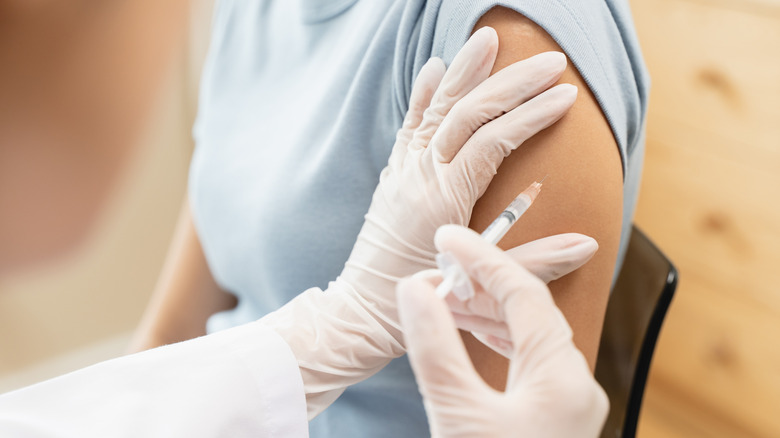
Fentanyl is an easily manufactured and very dangerous drug. A synthetic opiate that activates μ-opioid receptors, fentanyl has been shown to be 50 to 100 times stronger than morphine. Researchers from the Scripps Research Institute developed a vaccine that appears to reduce the presence of fentanyl in the brain by approximately 70% and protect against respiratory depression (insufficient breathing), which is the main cause of death during an overdose, in an animal model. The paper, published in the Journal of Medicinal Chemistry, also showed that the vaccine led to the formation of antibodies that were able to bind to other drugs in the fentanyl class, such as acetylfentanyl, carfentanil, and furanylfentanyl. Such results could mean that this vaccine will be effective for various fentanyl derivatives — an important task given the ever-evolving synthetic opiate market.
There are many limitations to the methods currently available for opioid overdose treatment. Currently, only two medications for opioid overdose have been approved by the U.S. Food and Drug Administration: naloxone and nalmefene. Although these are fast-acting, effective, and life-saving medications, they can only be administered after an overdose and have no preventative capacity (and have no effect if you're sober). So, while these drugs are incredibly important, they cannot protect anyone from subsequent overdoses. Moreover, both are nasal sprays and must be administered by another person within a very short time after an overdose. This means that their efficacy is limited to the presence of another individual having the capacity to provide the medications.
Opioid vaccines
Vaccines, like the flu shot, work by introducing a weakened or inactive part of an organism to elicit a response from our immune system. This involves the creation of antibodies that identify the specific part so that if it is introduced again, an immune response is triggered to defend the body. Researchers have been attempting to harness this mechanism as a way to combat the detrimental effects of opioids since the 1970s. Due to the complicated and extensive nature of such work, the first opioid vaccine clinical trial did not begin until 2021. The first vaccine targeted oxycodone, which is an addictive pain medication.
Another challenge in developing a vaccine to combat opioid use disorder is that opioids are incredibly varied in their chemical structure. Moreover, the synthetic opioid market is rapidly evolving and introducing chemical variations at a remarkable speed. So, a barrier to treating opioid use disorder with a vaccine is that, theoretically, a new vaccine would have to be developed for each chemically unique drug.
However, researchers at Scripps developed a vaccine that appears to be capable of launching an immune defense against multiple different fentanyl derivatives. This is because they relied on a particular molecular component that is shared among many drugs in the fentanyl class. Pairing a carrier protein with a fentanyl derivative that had been synthesized in the lab, the team introduced a novel vaccine that would produce antibodies in response to fentanyl.
An ounce of prevention

As mentioned above, many treatments to reduce mortality from overdose can only be administered after the drug is taken. It is general wisdom that an ounce of prevention is worth a pound of cure. To test whether the vaccine would be protective against overdoses, the authors observed breathing patterns in mice after being provided with enough fentanyl to generally elicit respiratory depression. As mentioned above, respiratory depression is the leading cause of death during an opioid overdose. This happens because activation of μ-opioid receptors causes the inhibition of many neurons, even in the parts of the brain that control breathing. The mice that were treated with this vaccine repeatedly did not exhibit respiratory depression in response to the high fentanyl concentration administered.
Typically, we don't have to think about breathing, as this is facilitated by the autonomic system. Because this is the division of the nervous system that functions without conscious input, we don't always realize how much our brains are doing to keep us alive. However, with such a wide effect on the brain, overdoses from opioids disrupt this vital function. So, preventing overdose death largely relies on preventing the drugs from accessing μ-opioid receptors. The researchers from Scripps found that the vaccine significantly reduced the amount of fentanyl present in the brain. These results suggest that this vaccine could potentially protect against overdoses. However, much more research is needed to determine the safety and efficacy of this vaccine.