

Scientists Discovered The Appalachian Mountains Hide Tons Of This High-Demand Element
The Appalachian mountain range spans 2,000 miles across Canada and the United States, and has long been a source of natural minerals, including coal. A recent research study suggests that they could also be hiding a huge supply of a crucial modern element: lithium.
Most of us are familiar with the element thanks to the lithium in rechargeable batteries, and this is one of the main uses of the metal element in modern society. Without it, laptops, tablets, and mobile phones would not be readily available to us, so finding a new source of this element is an important development. The most recent survey suggests that as much as 2.5 millions tons of lithium could be available in the mountain range, which would be enough to create 500 billion cellphones.
This recent discovery doesn't mean that we will automatically have immediate access to lithium metal, but it does potentially mean that we will need to rely less on importing lithium from other countries such as Argentina and Chile.
Where can the lithium be found?
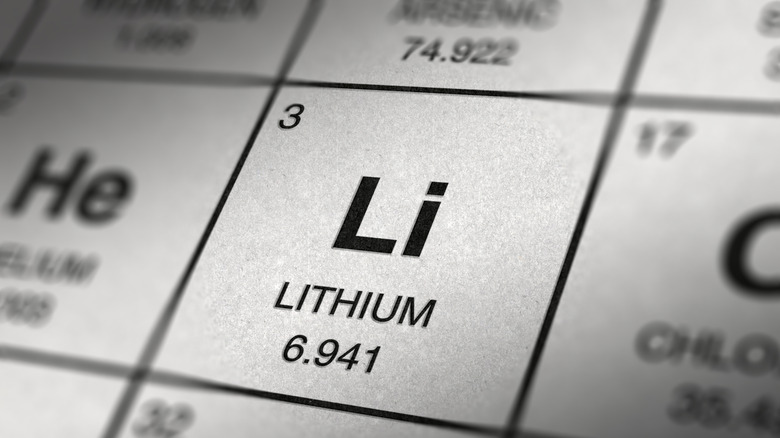
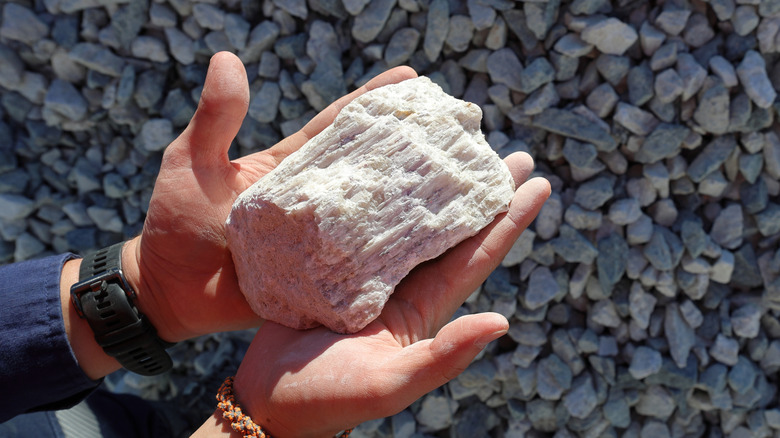
The lightest metallic element, and a member of the alkali metals, lithium is very reactive, so it is never found in its pure state in nature. Instead, it is found locked up in compounds, and in the case of this latest discovery, it is found in lithium oxide. The lithium oxide is found in pegmatites, which are large, coarse rock structures that often contain valuable elements.
Pegmatites are present from the formation of the mountains hundreds of millions of years ago, and are thought to be formed when magma cools very slowly, allowing large crystals to form. The new estimates suggest that around 990,000 tons of lithium oxide could be available from the north Appalachians, while more than 1.5 million tons exists in the southern range.
This discovery is incredibly significant, as there is currently only one lithium mine in the whole country — Clayton Valley, Nevada — and more than half of our lithium is imported from south American countries such as Bolivia, Chile, and Argentina, which are known as the lithium triangle. It is thought that the lithium present in the Appalachians could help to meet the ever-growing demand for lithium batteries, and represents 328 years of lithium imports to the United States, based on the current demand.
Finding huge sources of lithium is not the same as having it available for use
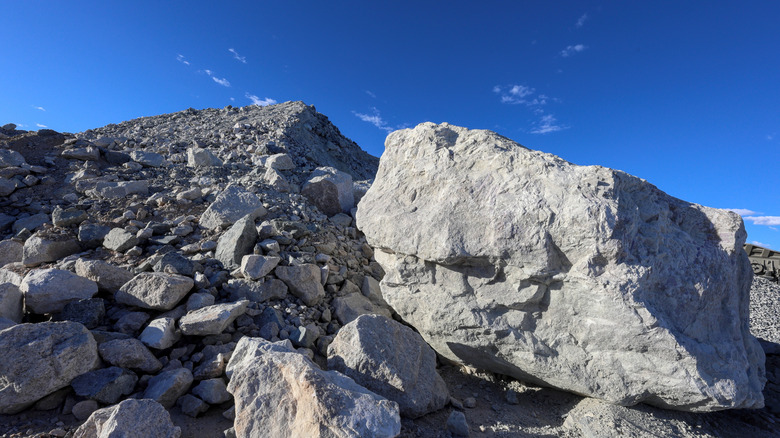
As exciting as this lithium discovery is, there is a long way to go before the pegmatite lithium found in the Appalachian Mountains can become a viable lithium source for the country. Mining the lithium poses several challenges, both technical and environmental. The operation would be on a huge scale, with heavy machinery needed in remote areas, meaning that wildlife and forest areas would need to be disturbed to create access.
Once the rock has been recovered, the lithium then needs to be extracted, which is expensive and resource-heavy. On the plus side, new methods for extracting lithium from fluids are very promising, and could eventually influence the hard-rock lithium process too. However, the lithium-rich pegmatite would need to be mined from the mountains before modern processes could make any meaningful impact. Still, the mere presence of such a rich source of lithium in the country is a very encouraging development, and will hopefully strengthen the domestic supply of this high-demand element.