

These Are The First Organs In The Human Body To Shut Down Before Death
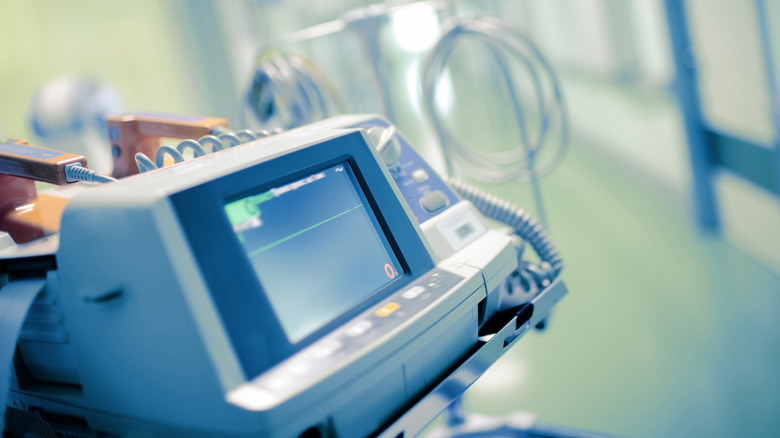
Death is, perhaps, one of the most interesting things about being alive. As a species, we are conscious that death comes for us all, providing us with the somewhat unique ability among mammals to ponder how, why, and when we will die. Fortunately, science does allow us to investigate the biological underpinnings of the macabre. According to Merriam-Webster, death is "a permanent cessation of all vital functions." There are five major organ systems in the body, and the bodily march towards death is generally led by the respiratory, nervous, and circulatory systems.
Death begins with the loss of function of the heart, brain, and/or lungs. These are each vital organs, and their shutdown propagates the further cessation of other biological activity. For instance, the lungs are where the exchange of oxygen and carbon dioxide takes place as we breathe. Importantly, oxygen is the basis of life within our bodies. Each of our cells relies on oxygen as a means to produce energy and, thus, continue functioning. This means that without oxygen, other cellular activity ceases. The heart will stop beating, and electric impulses in the brain will no longer occur. Moreover, as carbon dioxide can no longer be expelled, it builds up to levels that are additionally detrimental to the other organs in your body.
Vital organs
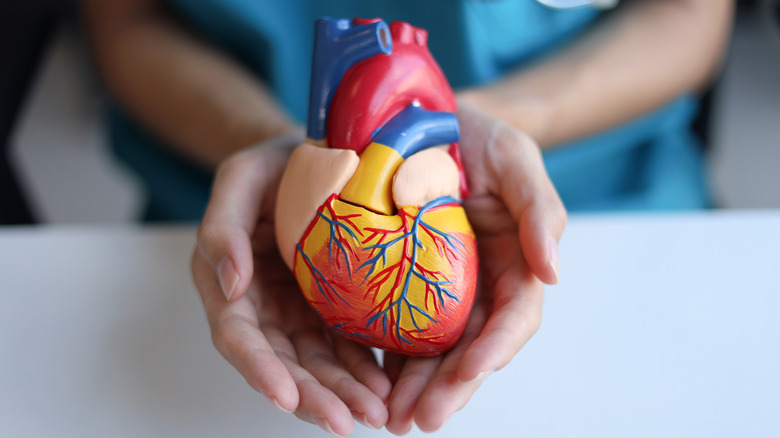
Similar to the lungs, proper functioning of the heart is necessary for life. Death can be characterized by the loss of cardiac function, which serves to provide oxygenated blood to the rest of the body. As discussed above, our cells rely on oxygen. Thus, when blood flow is halted, our cells quickly become deprived of oxygen, which causes them to die. You might have seen someone in a movie or TV show check a person's pulse to see if they are alive. We feel a pulse as blood is pushed out of the heart, causing arterial pressure to increase. When the heart stops working, blood flow ceases, and this can be detected through a pulse check. As someone dies, you might notice their pulse slowing over time as the heart fails.
The other aforementioned vital organ is the brain. While we might generally associate the brain with conscious thought, it also controls our involuntary functions, including heart rate and respiration. These functions occur as part of the autonomic nervous system. A key player in this system is the 10th cranial nerve: the vagus nerve. Extending from the brain stem all the way down to the abdomen, the vagus nerve sends electric impulses to control the activity in many organs, such as the heart, lungs, and stomach. So, just like the brain stops working when the lungs or heart stop, the lungs and heart also cannot keep functioning without some feedback from the brain.
Can death be reversed?
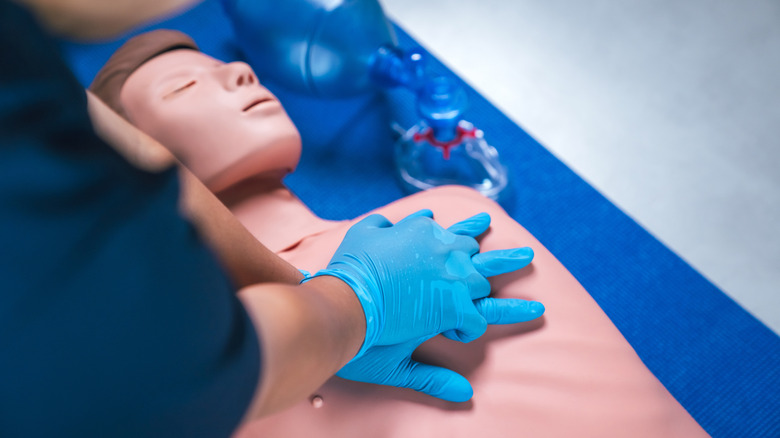
When a vital organ ceases to function, there are some measures that can be implemented that might revive it and increase the chance of survival. For instance, cardiopulmonary resuscitation (CPR) is typically used when someone stops breathing and/or a pulse can no longer be detected. In other words, when the heart or lungs stop working, there is a brief window in which their function can be restored, and they are "brought back to life." However, this requires rapid implementation, and even if someone initiates CPR very quickly, it can be entirely useless depending on the severity of the patient's condition.
After a cardiac arrest, CPR increases the chance of survival by 17% in hospital settings. While many TV shows make CPR seem like a very effective rescue method, generally, when the heart fails, death is irreversible. An additional thing to consider is the physical trauma that CPR can cause. Chest compressions are often painful and can result in cracked or broken ribs. Even if you are brought back to life, the brain damage from temporary loss of blood flow can be irreversible, with roughly 30% of patients whose lives are saved by CPR developing significant neurological problems.
As we die, our vital organs irrevocably shut down. Moreover, final attempts to bring those organs back online can be physically detrimental. While bleak, understanding these things does allow us to prepare and determine what measures will be taken if and when our own hearts stop beating.