

Some Popular Prescription Drugs Could Be Increasing Fall Risks For Seniors
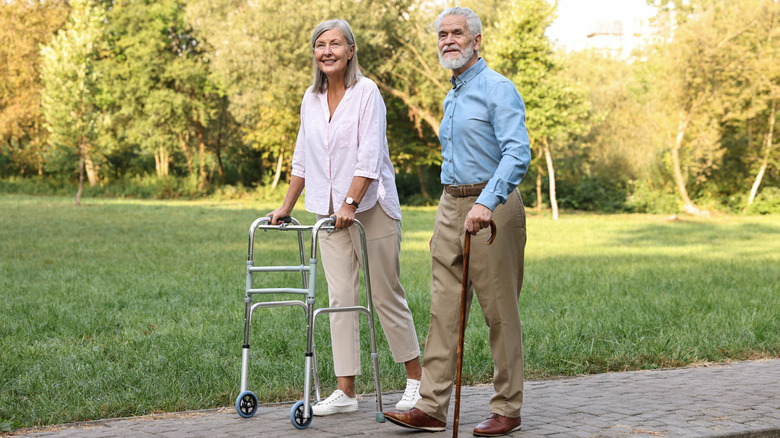
Falls pose a serious risk to the health and wellbeing of older adults. Sometimes falls can cause injuries ranging from bruises and scrapes to broken bones. Even without injury, falling can make older adults less likely to exercise, carry out normal daily activities, or socialize due to fear of falling again. Because of this, fall prevention is extremely important. Fall prevention efforts focus on making homes safer and improving muscle strength, balance, and coordination with healthy activities; however, prescription drugs could also be a factor contributing to the increased risk of falling in older adults.
One in three independently living adults over the age of 65 experiences a fall in a given year. And once reaching the age of 80 the risk goes up to one in two. Age-related decreases in muscle mass and changes to blood pressure can raise the risk of falling. Vision changes are also a factor known to increase the risk of falling in older adults. Conditions like heart disease, thyroid dysfunction, diabetes, and problems with nerves and blood vessels can also affect balance and gait. At the same time, medications used to treat some of these medical conditions can also increase the odds of a fall.
Medications that can increase fall risk

A 2024 study published in the journal BMC Geriatrics analyzed data from a three-year observational study of older adults in Europe to better understand how medications might affect fall risk. The study focused on medications known as fall risk–increasing drugs, or FRIDs. They looked at more than 2,000 healthy adults over the age of 70, measuring the number of falls and falls that led to injury each participant had during the study period. The study also included information on the type and dosage of FRIDs taken.
FRIDs can increase the risk of falling by causing muscle weakness, cognitive impairment, sleepiness, decreased blood pressure, and dropping blood pressure when standing. Antidepressants, opioids, antipsychotics, benzodiazepines, and blood pressure medications were just a few of the classes of medication included in the analysis. For instance, gabapentin, which is used to treat seizures and nerve pain, can cause dizziness. Additionally, it's not uncommon for older adults to take more than one of these types of medication, potentially enhancing their effects. To account for this, the researchers distinguished between participants who were taking one FRID and those using multiple FRIDs. Around 42% of participants reported using at least one FRID and approximately 16% used multiple FRIDs.
Medication and fall prevention

Just over 1,300 of the more than 2,000 participants reported falling during the three-year study period, amounting to more than 3,000 incidents of falling. Additionally, around 1,100 of the participants reported at least one fall resulting in an injury. Further analysis found that after accounting for other factors related to falling like age and previous falls, the use of at least one FRID was associated with a 13% increased chance of falling during the study period. Taking multiple FRIDs was associated with a 22% higher chance of falling.
When looking at only falls that led to injury, the researchers found that taking one FRID was associated with a 15% increase. Taking multiple FRIDs was associated with an increase of 33%. Further analysis also found that older adults, that is, people over the age of 75, were the ones most likely to be affected by FRIDs. These findings point to a need to include medication use when designing fall prevention plans. Understanding how medications affect balance, strength, and coordination could help with efforts to reduce the risks of falling and the harms it can cause in older adults.