

The Baby Boomer Habit That's Linked To Better Mental Health
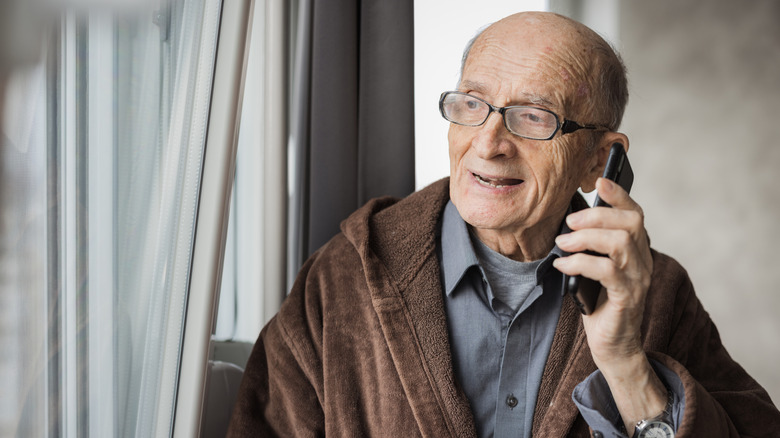
Sometimes it seems like baby boomers and their habits are the subject of ridicule by younger generations. While a little good-natured joking between generations can be a good thing, it might be worthwhile to take a closer look at the closely held beliefs and habits of different groups from time to time. And while some baby boomer pastimes, like how they save everything, may not be the healthiest, the habit of making phone calls instead of texting is linked to better mental health.
Social media use is a growing habit in baby boomers, however, many still insist on calling instead of sending a message. This may seem old-fashioned at first glance, but there are often good reasons for doing so. In some cases it's discomfort with using newer technologies or difficulty reading text on small screens. In other cases it can be because baby boomers are talking to people who don't text. At the same time, younger generations may be more reluctant to make phone calls than to send a text.
Calls allow for more nuanced communication

Text-based communication is great for sending a quick message, but can fall short when it comes to more real-time conversations. It also makes it easy to stay in touch with another person without interrupting the sender or recipient's day. Fear of interrupting or being a bother is one reason why many younger people shy away from making phone calls. However, there are tradeoffs that come along with the convenience of texting and social media use.
One big disadvantage is that text-based communication can make misunderstandings more likely than they are over the phone. A short message with no context can sometimes be confusing, meaning that the recipient would have to ask questions for clarification. On a voice call the process of getting clarification can happen faster, if it's needed at all. It can also be difficult to feel out what emotions are being expressed over text sometimes. Using emojis is one way to help clarify messages, but they can't match nonverbal cues like tone of voice that come with phone conversations. Even when talking to a stranger, hearing another human's voice can create more tangible connections.
The connection of hearing a voice
In addition to being better for back-and-forth communication, people are finding that talking on the phone can have mental health benefits. While people send and receive text-based communications all day, many people report feeling lonely. This is where voice-based communication shines. Hearing the voice of someone familiar can reduce stress and signal the body to release oxytocin, a hormone important for building trust and closeness.
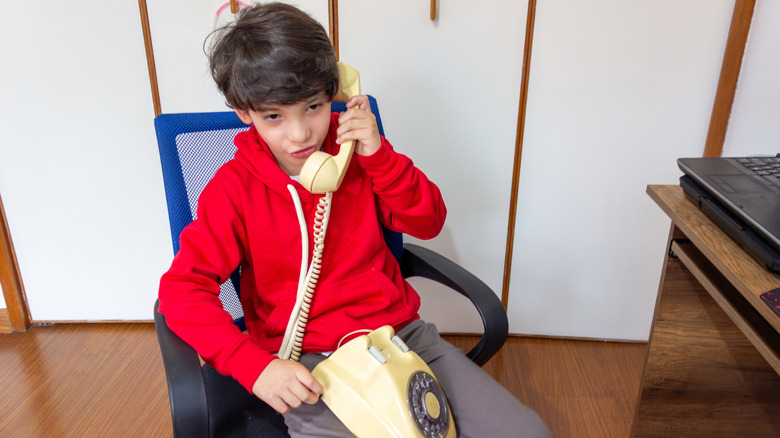
Getting regular phone calls can also help decrease reported feelings of loneliness in homebound people and the elderly. Talking on the phone can also benefit children, helping them become better at understanding the nuances of communication. Talking on the phone also has the benefit of reducing kids' exposure to social media and its effects on the brain. A growing number of parents are setting up home phones and working with other parents so children can communicate with one another. This also has the benefit of allowing children to talk more with distant relatives, potentially benefiting both young and old.
The convenience of texting makes it useful for many situations; however, some people are finding that it doesn't replace the immediacy and connection of hearing someone's voice. While some baby boomer habits aren't worth imitating, picking up the phone and calling may be one practice that can help with mental health.