

Hydroelectric Dams Are Doing A Lot More To The Environment Than Scientists Expected
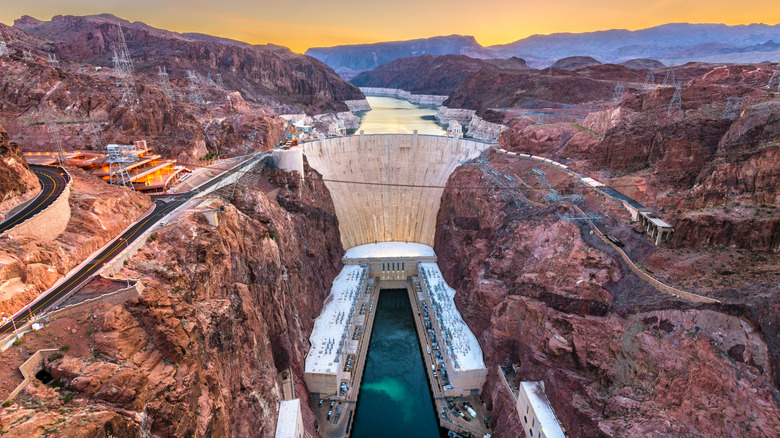
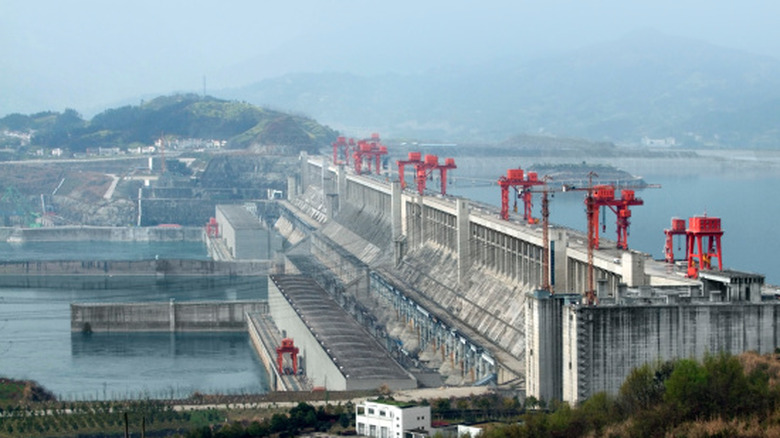
The human world runs on electricity, but generating it most often comes at the cost of the natural world. There has been much publicity around the harmful impact of fossil fuels on the environment, and rightly so, but lost amidst the discourse is another, less talked about energy source: water. Hydroelectric dams include some of the largest and most ambitious energy projects in the world, with famous examples like the Hoover Dam and Three Gorges Dam bringing power to millions of people. Unfortunately, they have also wrought environmental havoc via flooding, harm to wildlife, and even their own greenhouse gas emissions. If you thought hydropower was a clean energy solution, you'd be wrong.
For starters, there's the issue of the water itself. Dams impede the natural flow of rivers, causing the formation of artificial reservoirs like Lake Mead in Nevada, which was formed when the Hoover Dam was built. These reservoirs flood massive expanses of land, eliminating living spaces for both wildlife and humans. The effect is more extreme the flatter the land around the river is. In the case of the Hoover Dam, natural canyon walls limited the flooding, but a more frightening case comes from the Amazon River Basin in Brazil, where the construction of the Balbina Dam flooded nearly 1,000 square miles in Earth's most precious natural habitat. Construction of the Three Gorges Dam in China, the world's largest hydroelectric dam, eliminated entire villages just to make space for the water backing up behind it.
Putting the dam in damage
Hydroelectric dams have a direct, detrimental impact on those living around them, including both humans and wildlife. It's extreme enough that there is even a web project called The Atlas of Drowned Towns to chart all of the settlements destroyed by hydroelectric projects around the world. Hundreds of millions of people have been displaced or seen massive changes to their local environment due to the construction of hydroelectric dams. This has raised serious concerns regarding human rights, with many of the communities belonging to indigenous peoples.
For each human life transformed by a dam, countless more wild animals suffer, including grazing animals that see massive tracts of their food source drowned out. However, no creatures suffer more than the aquatic life whose habitat becomes unrecognizable to them. Dams turn rushing rivers into stagnant reservoirs where weeds and algae rapidly propagate, crowding out other plants and animals unless manually removed. Additionally, still water evaporates at a much higher rate than moving water, and reservoir water is lower in absorbed oxygen. This turns rich river ecosystems into stagnant pools where life struggles to get by.
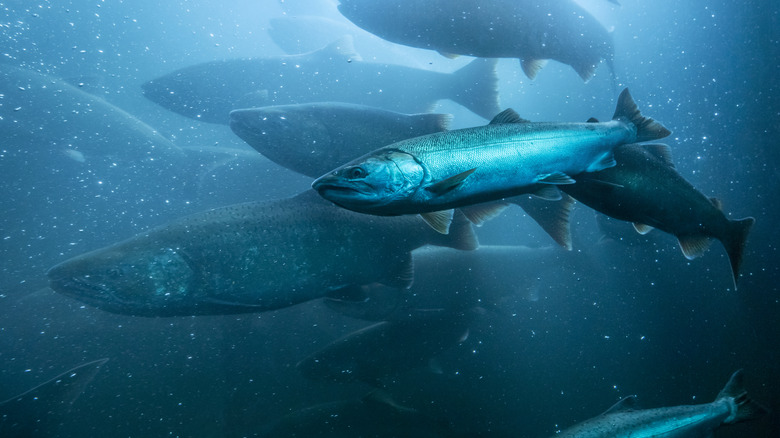
Migrating fish face an especially great challenge. Salmon swim upstream to spawning grounds each year, but dams can impede their routes and prevent them from doing so. Even with fish ladders and elevators in place, many fish still struggle to make the journey, and all too many meet a tragic fate in the turbine blades of hydroelectric dams.
Dams also produce greenhouse gas emissions
Hydropower is sometimes presented as an alternative to fossil fuels that generate large amounts of harmful greenhouse gases. However, research is showing that hydroelectric dams produce more greenhouse gases of their own than scientists initially believed. It was long acknowledged that the manufacturing of concrete and steel used to make dams produces greenhouse gas emissions, but it turns out that even a completed dam can release significant pollutants.
Hydroelectric dams are particularly associated with methane emissions, which are responsible for at least a quarter of global warming. This is due to something that the engineers behind the world's biggest dams either failed to understand or intentionally overlooked. You see, when vast tracts of lands are flooded by the construction of a dam, all of the freshly submerged vegetation begins to decay, leaching methane into the water, which then evaporates into the atmosphere. Most of this happens within the first decade of a dam's construction, which, combined with the greenhouse gases emitted by production and the deforestation that often accompanies damming, causes a singular climate event of significant proportions.
The damage can be undone
If the human world can move onto actual renewable energy resources (and that's a big if), then we could move beyond hydroelectric dams and their harmful impacts. It might feel like there's no hope, but removing dams can revive the ecosystems they once destroyed. One of the largest dam removal projects in history took place on the border between California and Oregon, and its success offers an optimistic vision for the future.
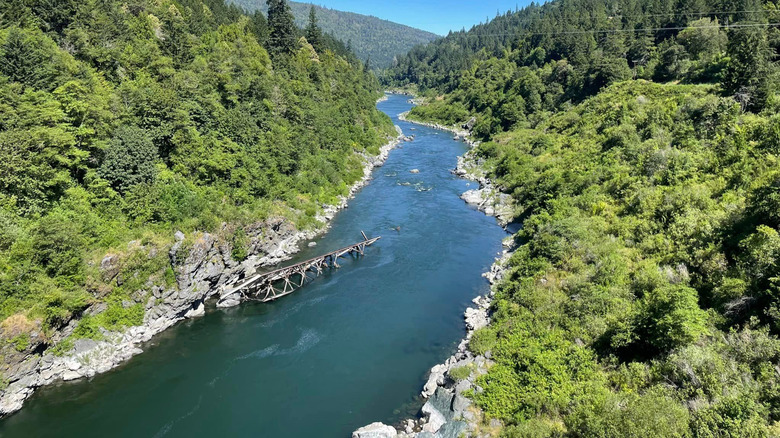
The Klamath River flows from the desert of southern Oregon, through the Cascade Mountains into northern California, and out to the Pacific Ocean. It has long been famed for its salmon, but when a series of seven dams was built along the river between 1903 and 1962, salmon populations plummeted to a mere 5% of their historic averages. Activists protested for decades, particularly indigenous tribes along the Klamath, like the Karuk and Yurok, and finally, in 2022, the Federal Energy Regulatory Commission approved the removal of the four southernmost dams.
The last of the dams was removed in October of 2024, and within a week, fish were returning to their old spawning grounds. Monitoring along the river recorded nearly 8,000 salmon swimming up the river that autumn alone. Water temperatures have returned to normal, oxygen levels in the river have risen, and harmful algae has diminished. Success stories like these are far too rare, but it's a great sign that the damage wrought by hydropower can be undone.