

Not Skin, Not Hair: Scientists Say This Body Part Is A Great Indicator Of Health
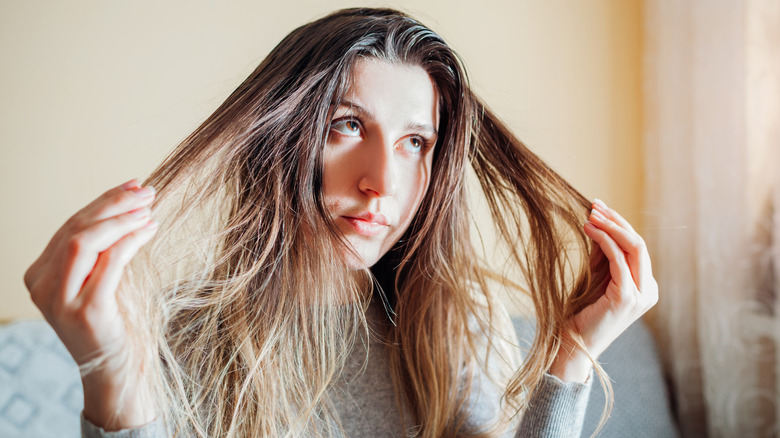
Assessing your overall health often involves a combination of tools, tests, and physical signs and symptoms. With the latter in mind, you may have heard that your skin and hair can be indicators of your health. For example, some types of skin rashes can be associated with inflammatory conditions like eczema or psoriasis, while certain forms of hair loss may be linked to hormonal imbalances or certain autoimmune disorders. Your hair color may also reveal things about your health as well. Yet skin and hair are not the only parts of the body that can reveal the state of a person's health. Additional important body parts that can provide some surprising clues to your health are your fingernails. While not all fingernail changes point to a medical issue, some anomalies involving their texture, color, and growth patterns may possibly provide clues about your current state of health.
Technically a part of the skin, your fingernails are composed of several layers of keratin. Healthy fingernails are free of discoloration and spots, are also smooth to the touch, and shouldn't break easily. Normally, fingernails can grow past your fingertips without any significant changes to their shape or texture, but sometimes fingernails can have unusual growth patterns caused by underlying health conditions. One example is clubbing, which causes the nails to abnormally curve over the fingertips. Potential causes of nail clubbing include heart or respiratory diseases, inflammatory bowel disease, or liver issues. Iron deficiency anemia is a common cause of another nail condition known as spoon nails. In these cases, the nails grow in a flat pattern with a depression in the middle of them that looks similar to the inside of a spoon.
Some nail color changes may point to medical concerns
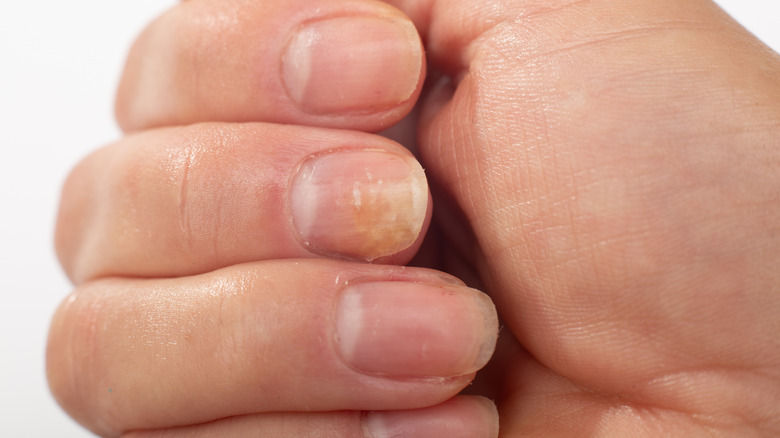
Aside from growth changes, fingernails can also change in color due to illness, infection, chronic conditions, or injuries. One common example is yellow. Yellow-colored nails can be attributed to a minor health problem, such as a fungal infection, or the hue may develop from smoking cigarettes or from wearing nail polish without a protective base coat. However, yellowing of the nail tips or cuticles can also point to major kidney or liver problems. In some cases, yellow nails may even be linked with respiratory illnesses or arthritis.
Sometimes fingernails turn extremely pale or white. While anemia can cause fingernails to become pale, solid white ones may be linked with diabetes or liver disease. Aside from widespread white coloring, it's possible for fingernails to develop white spots due to allergies, certain medications, or fungal infections. On the other hand, white spots sustained from an injury are not long-term medical concerns. These will likely grow out with the rest of your fingernails at some point in the future.
Red spots over the half-moons at the base of your fingernails may be linked with autoimmune disorders, arthritis, or heart disease. Blue spots in similar shapes can be signs of a more acute problem, such as poisoning. On the other hand, a bluish hue that covers the entire nail may indicate a lack of oxygen in the blood due to lung or heart disease. Fingernails that appear half pink and half white are sometimes associated with kidney issues. Greenish-black spots can indicate an infection, while solid brown or black streaks may be possible signs of melanoma.
Your health may also influence fingernail texture and strength
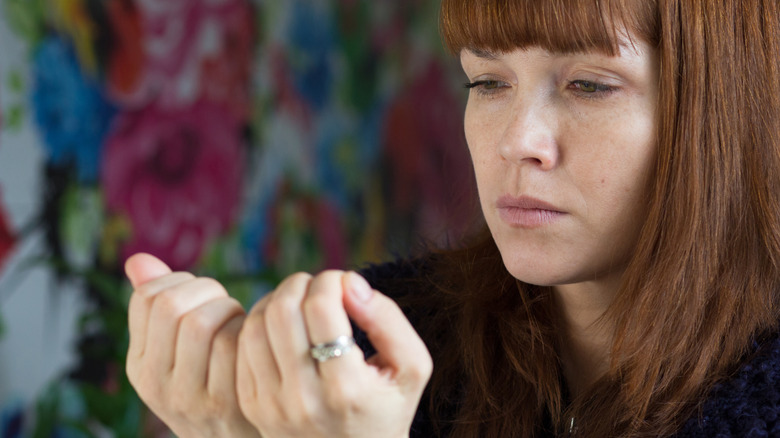
Changes to nail texture and strength can be just as telling about your health as shape and color. Extremely brittle nails that break easily may be attributed to nutritional deficiencies, especially B vitamins, iron, zinc, and protein. Thyroid issues (and untreated disorders that are possible causes of thyroid failure) may also cause changes in your fingernail texture and strength. Brittle nails are often associated with hyperthyroidism, while thinning ones may be linked with hypothyroidism. Small dents throughout the nails may indicate pitting, which sometimes develops with alopecia areata, eczema, and psoriasis.
The list of possible fingernail changes is extensive, and it's worth noting that these are just some of the issues people might experience. While fingernails are considered important markers for your overall health, it's also important to keep in mind that some changes can only offer partial clues. Furthermore, not all cases involving changes in nails point to serious health problems. The bottom line? You should continue to monitor the health of your nails and also see a doctor for any sudden or concerning changes that arise.