

This Two-Ingredient Cake Is A Science Experiment In Disguise
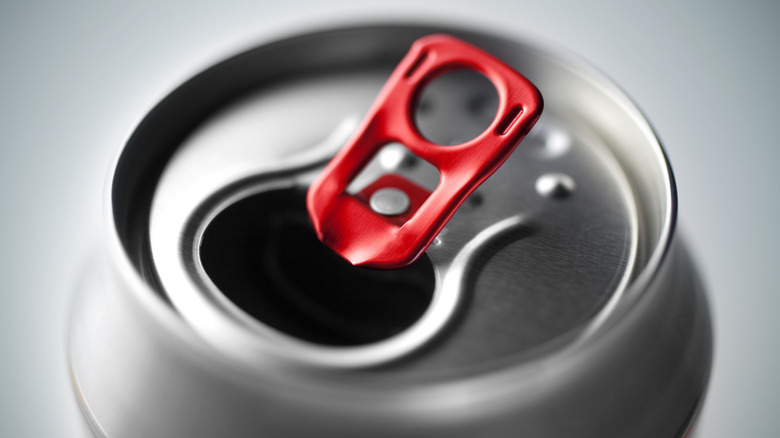
For some people, spending a whole day baking is a joy, but for the rest of us, the sound of a two-ingredient cake is music to our ears. In the case of soda cake, it also incorporates some fun science, as the soda provides some of the usual chemistry needed for more involved recipes. Soda cakes combine a box of cake mix with a can of soda — Coca-Cola, 7-Up, and Fanta can all be used — and forgo the need for the eggs and oil that are needed in regular baking, and that the cake mix box suggests. As well as adding its particular flavor, the soda is providing both the liquid that the dry box mix needs to form a batter, and a crucial ingredient in creating airy cakes — carbon dioxide.
In regular baking, leavening agents such as baking soda react with other ingredients in the batter to create bubbles of carbon dioxide gas. These gas bubbles lighten up the cake mixture, preventing dense batter and disappointing sweet treats. In a can of soda, the bubbles of carbon dioxide are already in the drink, meaning they can provide the necessary pockets of gas throughout the final cake. Some gas will naturally escape as you pop open the can, but plenty of gas will remain in the liquid to give the desired effect.
The dual effect of adding soda to cakes
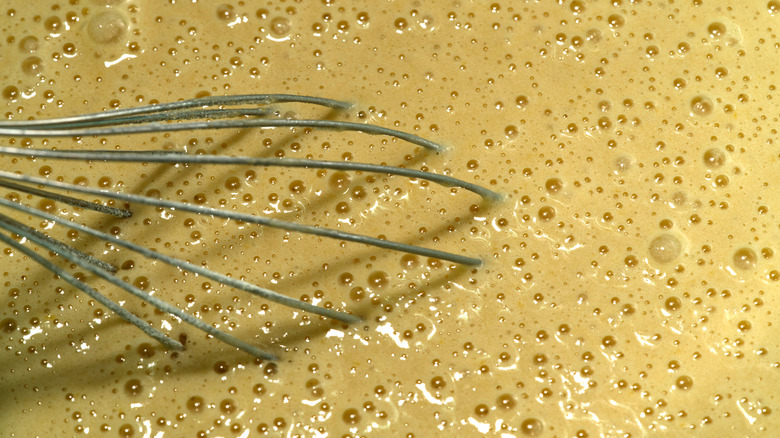
The great thing about this particular culinary experiment is that the soda has a double effect on the carbon dioxide formed. Baking soda, found in boxed cake mix, is sodium bicarbonate, which is a base. Like all bases, when it reacts with acids, it forms a salt and water, but as a carbonate, it also creates carbon dioxide gas. Soft drinks are acidic, since some of the carbon dioxide dissolves in water to create carbonic acid, with many of them also containing either citric acid or phosphoric acid. When the acidic soda is added to the cake mix, it creates the required chemical reaction, causing bubbles of carbon dioxide gas to be released. If you don't have a can of soda handy, or don't want to add flavor, soda water or seltzer can be used and will create a similar effect.
The carbon dioxide produced in the neutralization reaction between the baking soda in the cake mix and the acid in the soda is in addition to the original gas contained in the can of pop, so the effect on the fluffiness of the cake will be two-fold. Not only is this two ingredient cake a convenient baking shortcut, but it is also a brilliant example of chemistry in action.