

The Science Behind America's Cleanest Lake

As summer comes to an end, many are scrambling to enjoy the remnants of warm weather and sunny days. A popular destination for summer adventure seekers is Lake Superior. If you are planning to visit this famed, expansive lake, you might be delighted to know that it is the cleanest lake in the United States, according to a report from Lake.com. The report cites Lake Superior's high concentration of oxygen and low turbidity and minerals. Additionally, this Great Lake is not optimized for large algae blooms, which is a comfort to lake goers who wish to swim through clear waters as opposed to slime. However, it might make you skeptical that this analysis was publicized by a vacation website. So, let's go over the chemical data and conclusions formed by this report.
Lake Superior is an impressive expanse of freshwater. As the biggest of the Great Lakes, Lake Superior also constitutes the largest freshwater lake on Earth by surface area at 31,700 square miles. The average depth is calculated at roughly 500 feet, but it reaches as deep as 1,332 feet. Stretching across portions of Minnesota, Wisconsin, Michigan, and Ontario, Lake Superior is also the coldest Great Lake, with an average temperature of 40 degrees Fahrenheit. That is certainly far too chilly for a nice swim. But its temperature and size likely play an important role in winning Lake Superior the title of cleanest lake in the U.S.
Molecules of cleanliness

The Lake.com report analyzed data from the National Water Quality Monitoring Council from 2020 through mid-2025. Specifically, they compared U.S. lakes based on their levels of nutrients (nitrogen and phosphorus), dissolved oxygen, total dissolved solids, and turbidity (cloudiness). Generally, these are robust measures in determining the cleanliness of water. For clear waters, low nutrient amounts are favorable as they lead to relatively less algae. Although algae play an important role in the ecosystem, they tend to produce murkier waters and can take up important dissolved oxygen. Some algae can even produce harmful toxins, although this is relatively rare.
The concentration of dissolved oxygen is high in Lake Superior at 10.45 milligrams per liter. Dissolved oxygen is vital for the animals and plants in Lake Superior to survive and thrive. In low-oxygen conditions, aquatic life may deteriorate, and their subsequent decomposition can release certain nutrients into the water that lower its quality. Additionally, bacteria involved in decay can consume oxygen, depleting amounts even further. Moving waters introduce more oxygen and are often cleaner than stagnant water.
In addition to movement, temperature plays an important part in the amount of dissolved oxygen within a body of water. Relative to warm water, cold water is capable of holding more oxygen. In cooler conditions, water molecules are more tightly packed, meaning that oxygen cannot get out as easily. As mentioned previously, Lake Superior gets pretty chilly, making it more ideal for dissolved oxygen than warmer lakes.
The good, the bad, and the dirty
An important measure in assessing water quality considered in this study is the amount of total dissolved solids. These are any dissolved organic or inorganic materials, such as minerals and contaminants. The size of Lake Superior gives it an edge in this department, as a higher volume of water can dilute dissolved solids. According to the data analyzed in this report, bigger lakes have almost four times fewer total dissolved solids compared to small lakes.
Interestingly, Lake Superior did not have the lowest amount of total dissolved solids of all the lakes. Lake Chelan in Washington, which was ranked as the second cleanest lake in the study, had a total dissolved solids concentration of 30.20 milligrams per liter compared to Lake Superior's 44.04. However, Lake Chelan had lower dissolved oxygen and higher turbidity compared to Lake Superior.
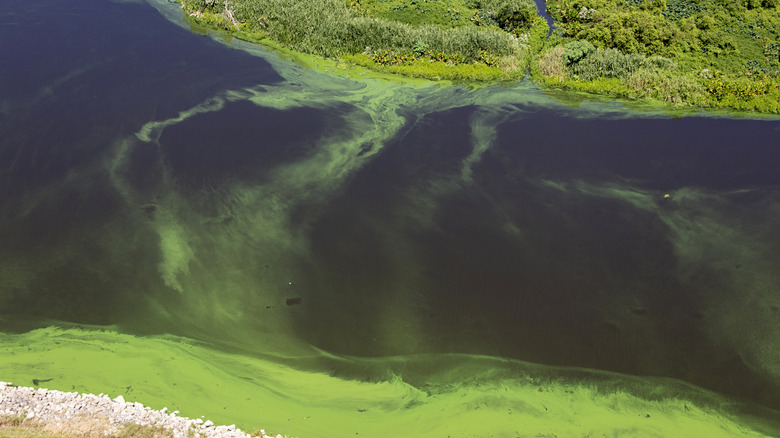
If Lake Superior is the cleanest lake in the United States, what is the dirtiest? Here, Florida takes the national lead with Lake Okeechobee. The lake has the second-highest turbidity of those studied, and its murkiness is visibly apparent. Additionally, the total dissolved solids concentration is 239.8, which is over five times that of Lake Superior. But the thing that catapults Lake Okeechobee into the lead for dirtiest lake is its concentration of lead at 0.67 micrograms per liter. No amount of lead is safe, so even the alligators should keep you out of Lake Okeechobee.