

Shipping Vessels Are Doing A Lot More To Ocean Ecosystems Than Scientists Expected
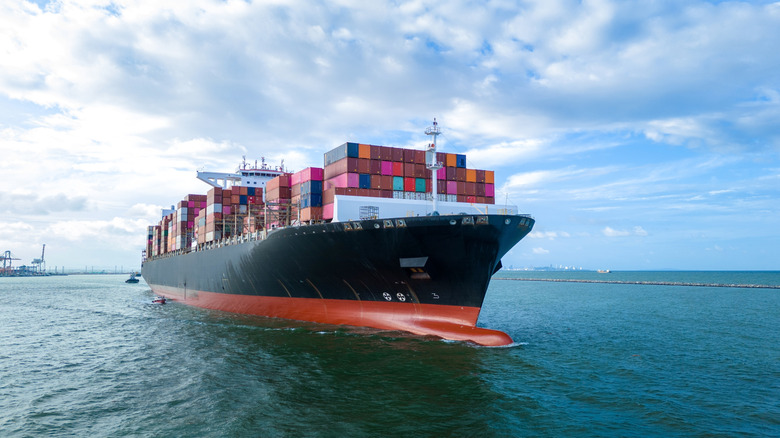
Shipping has been a crucial part of human existence since the days of sails and wooden vessels. Ships have expanded humanity around the globe and are the backbone of a trading network that supports the world's economy. However, the faster speed and greater capacity of today's ships comes with costs. Emissions from ship engines have been a concern for years, but shipping vessels, and the noises they make, are doing more to ocean ecosystems than scientists initially expected.
The first things that come to mind when you hear the term ocean pollution might be patches of floating garbage or oil spills, but underwater noise from human activities can have a negative impact on marine life. Military operations and oil and gas exploration are notable sources of ocean noise, but shipping also makes a large contribution. The sound of ships' engines and propellers and even the noise of water flowing over a ship's hull can disturb marine animals for long distances. The sounds from shipping lanes can sometimes reach the same decibel level of a jet plane. And their low frequency means these sound waves can travel hundreds of miles, affecting marine animals over a large area.
Impacts of a noisy ocean
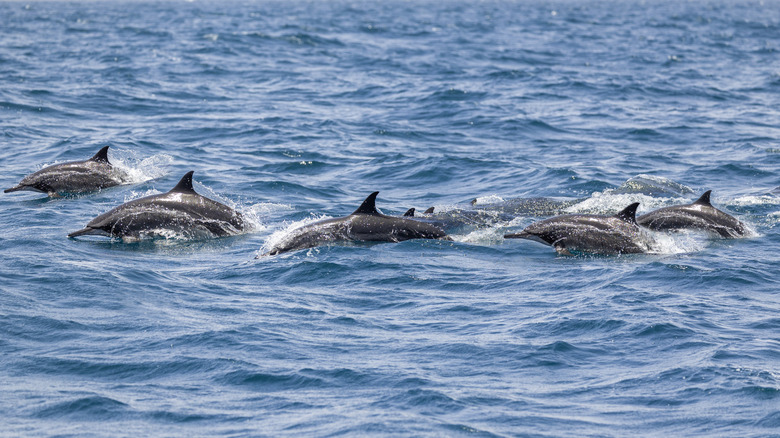
Sound can travel a much greater distance in water than it can through the air. Many aquatic animals have evolved to take advantage of this fact, using underwater sound to communicate, find food, avoid predators, find mates, and form social groups. This is especially the case for animals living deeper in the ocean where there is little to no light. Adding noise to the ocean can make it harder for marine animals to distinguish sounds and can stress, confuse, or even injure them in some cases.
Marine mammals like dolphins and whales use whistles and clicks to communicate with each other. Much like how it's hard for people to have a conversation at a loud party, shipping noise can interfere with dolphin and whale communication. This can make it hard for marine mammals to find mates, care for their young, or coordinate hunting groups. Noise can also interfere with signals that animals use for migration, potentially sending them into areas where food is scarce. Shipping noise can also cause hearing loss and raise stress levels in aquatic animals, causing them to become confused and behave in unusual ways.
Making shipping quieter
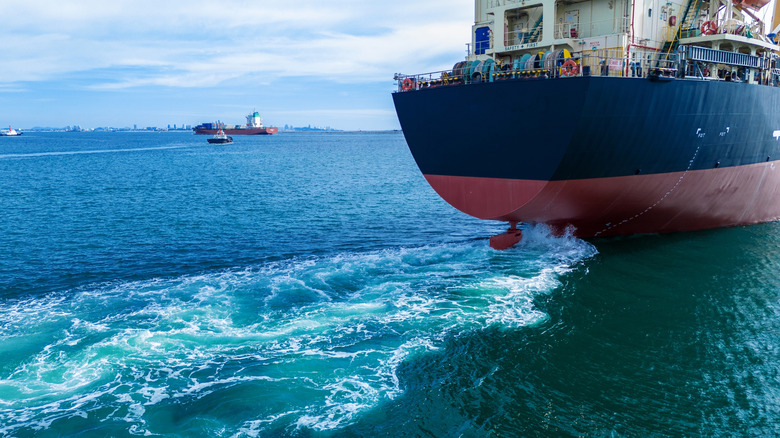
What scientists around the world are learning about the harms of shipping noise is helping inform ways to lessen the impact. For instance, the European Union set limits for shipping noise in 2024 that its member states must follow. Nations around the world are also looking into establishing protected areas, though more research must be done to figure out how best to manage and enforce noise limits.
Meanwhile, there are steps that shipping companies can take to reduce the amount of noise they send out into the ocean. The simplest way to reduce shipping noise is to slow down. Going slower means less noise from water flowing over the hull and engines that make less sound. It's estimated that a 10% decrease in ship speed could reduce underwater noise by about 40% while decreasing greenhouse gas emissions and reducing the chance of ships colliding with marine animals.
However, slowing down ships would increase travel time. This would impact how goods are shipped around the world, especially for perishable items like food. Because of this, shipping companies are interested in technological solutions like modified hulls and propellers that reduce noise, as well as quieter engines. Another method of interest is using curtains of air bubbles in the water to absorb and scatter sound. However, regardless of the technological or regulatory solutions used, it's becoming clear that shipping noise is affecting ocean ecosystems in serious ways.