

Does Gen Z Have The Healthiest Lifestyle Habits? Here's What Doctors Say

Generation Z is a pioneering generation, as they're the first adults to not remember a time before computers ran our lives. Born between 1997 and 2012, most Gen Z'ers came of age during the rise of social media, remote work, and online schooling. As a result, Generation Z marks a significant shift in socialization styles and lifestyle habits. From many physicians' perspectives, Generation Z makes healthy choices for their physical health, but they still struggle with monumental mental health challenges.
Generation Z's novel approach to health is perhaps best exemplified by their interactions with primary care physicians — or lack thereof. While Generation X and Baby Boomers often develop a personal, professional relationship with their doctors, Gen Z'ers prefer the convenience of online resources. Expectedly, many Gen Z'ers also use AI to diagnose their health concerns, leading physicians to observe "the shift from 'Dr. Google' ... to 'Dr. TikTok.'" It's no coincidence that Generation Z is the most under-insured generation of American adults.
Yet, while the family physician appears to be headed towards extinction, Generation Z may not need a human touch to make the right choices. Alcohol consumption is down around 30% among Gen Z'ers compared to millennials, and they're also smoking less tobacco and marijuana.
But statistics don't tell the whole story. According to one study from the U.K., binge drinking rates and drug use rises when Gen Z'ers reach their mid-20s, suggesting that they simply begin drinking at a later age. And while Generation Z smokes less tobacco, nicotine consumption is still high due to the wide availability of vapes and nicotine pouches. At least they're waiting until their adulthood to pick up the common habits that lead to an early death. But worse yet, Gen Z appears to be infected by an epidemic of loneliness.
Generation Z takes their mental and physical health seriously
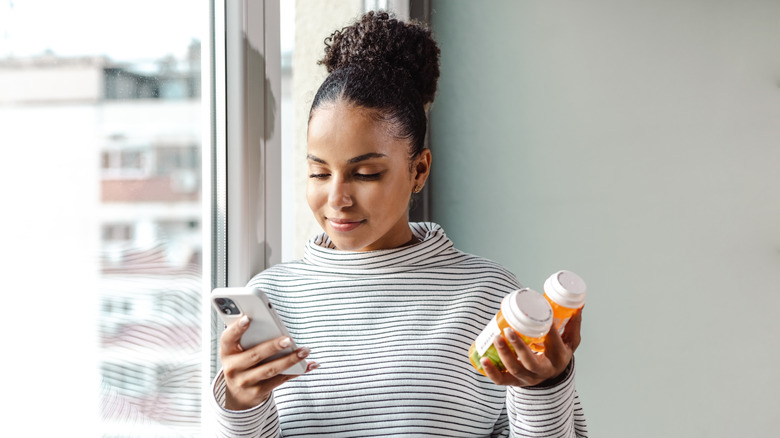
Compared to their seniors, the young adults of Generation Z are more willing to seek out professional help for their mental hurdles. And their hurdles are many. Physicians and psychiatrists often point to the correlation between the isolation of the COVID-19 pandemic and Gen Z's delayed adaptation to adulthood, which drove depression and anxiety rates to unprecedented heights. Graduation milestones were missed, socialization was confined to Zoom calls, and many Gen Z'ers entered their higher education entirely online. Although still out-prescribed compared to middle-aged adults, Generation Z has the fastest growing rate of psychiatric medication prescriptions among American adults.
The 2020s' transition from in-person to online interactions led to widespread loneliness among young adults, which in-turn contributed to physical and mental health challenges. This helped give rise to "gymfluencers," young adults who attracted their peers to the gym, as well as a corresponding prioritization of physical fitness. Thanks to social media algorithms, Gen Z also has easy exposure to dietary advice — for better or for worse. Tellingly, many Gen Z'ers are the advocates for "research peptides," which are recommended by influencers and not by scientists.
Nearly 75% of Gen Z'ers exercise at least twice a week, and many cite working out as their main tool for boosting mood and managing stress. In fact, young adults are spending more money on their physical health and fitness than they are on new electronic gadgets, fashion trends, and dining out. Many doctors believe this generational focus on fitness could make Gen Z "the most health-aware generation ever," according to a report by UKActive (via The Guardian). Whatever their motivation for hitting the gym, its a marked improvement over the physical fitness habits of older generations. As a generation defined by unprecedented societal change, Generation Z appears prepared to confront its many health hurdles.