

Science Can Explain Why Some People Never Get Hangovers And Others Do

For many people the joy of a night of celebration is followed by the agony of a hangover the next day. Headaches, nausea, fatigue, anxiety, and just plain feeling awful can be the result of having too much to drink the night before. However, there is a small group of people who seem to never get hangovers. Science can explain why this select few wake up feeling fine the next day while others suffer. There may be a genetic factor at play, but it's also possible that behavior is what separates the hangover resistant and the rest of humanity.
The exact cause of hangovers isn't fully understood, though there seem to be several factors involved. One of these factors is dehydration. When you consume alcohol it causes the pituitary gland to block the release of the hormone vasopressin, also known as anti-diuretic hormone. Without this hormone your kidneys will send water directly to your bladder instead of having the body reabsorb it causing your body's cells to become dehydrated. This is one reason why people have to urinate frequently when consuming alcohol. After an evening of drinking your body is left low on water and electrolytes, which can cause headaches. Excessive alcohol consumption can also lead to low blood sugar levels, which can explain the weak and lightheaded feelings of a hangover. At the same time, alcohol disrupts sleep, which can make you feel fatigued the next morning.
Genes affect alcohol processing
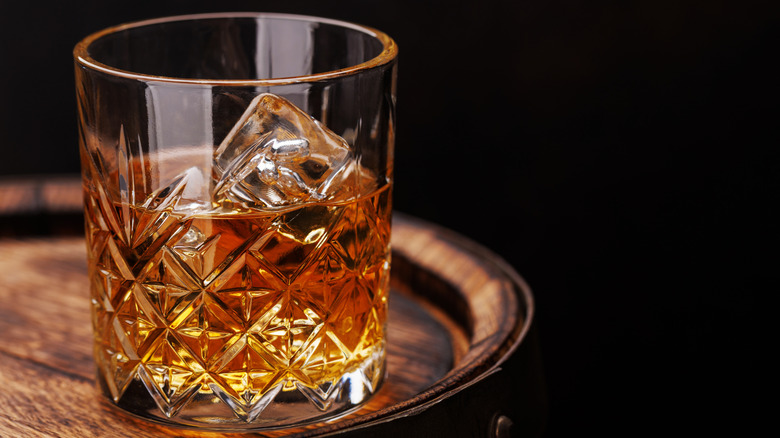
While dehydration and low blood sugar from heavy alcohol consumption contribute to hangovers, there also may be some genetic factors at play. The human body breaks down alcohol using two types of enzymes known as alcohol dehydrogenase and aldehyde dehydrogenase. Alcohol dehydrogenase converts alcohol into acetaldehyde, and aldehyde dehydrogenase then breaks acetaldehyde down into acetic acid. Variations in the gene responsible for making aldehyde dehydrogenase mean that some people have a harder time clearing acetaldehyde, which can contribute to headaches, nausea, and other hangover symptoms.
Genes influence how well the body processes alcohol, but there might also be a genetic reason why some people are seemingly immune to hangovers. Somewhere around 5% of heavy drinkers say they've never had a hangover. However, unlike the situation with aldehyde dehydrogenase, there's no clear genetic mechanism that can explain this. Studies on twins have found that there may be some kind of genetic variation that influences hangover prevalence and severity; however, the picture gets hazier when researchers account for actual drinking behaviors versus self-reported data. This means that drinking behavior might be the deciding factor for hangovers the vast majority of the time.
Behavior is a bigger factor

The amount of alcohol someone consumes is likely the most significant factor determining whether they have a hangover the next day. It's possible that some of the people who report never having a hangover overestimate how much they actually drink. Also playing a large role are factors like the length of time a person drank, whether they were properly hydrated, and if they ate food before drinking. Additionally, some drinks may be more likely to cause a hangover than others. Darker spirits have higher levels of congeners, fermentation byproducts that can make hangover symptoms worse, and a compound found in red wine may interfere with acetaldehyde dehydrogenase production.
This means that these same behavioral factors are the most effective way for people who are not hangover resistant to avoid feeling awful the day after a celebration. Reducing the amount of alcohol consumed and drinking at a slower pace can keep the body's alcohol processing machinery from getting overwhelmed. Having a glass of water between drinks is one effective way to do this while also staying hydrated. Eating a balanced meal beforehand and sticking to lighter drinks may also decrease the chances of waking up with a hangover.
Genes can influence how the body processes alcohol, but people who are truly immune to hangovers are extremely rare. The most likely explanation for why some people never get hangovers lies in their drinking behaviors.