

The Difference Between Red And Green Grapes Is Easily Explained By Science
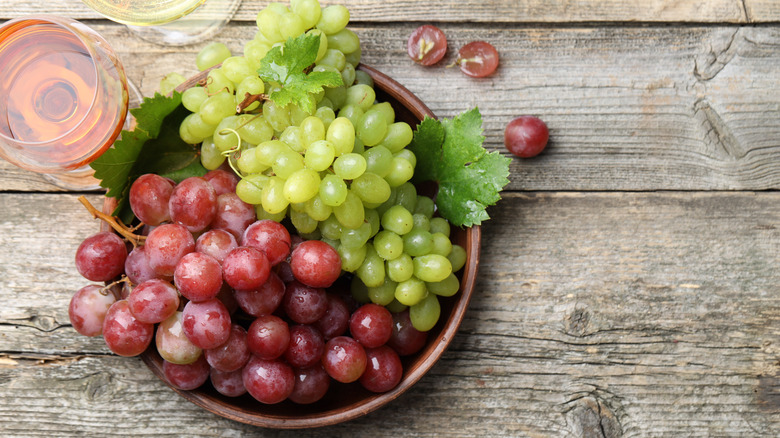
Grapes are a sweet, fruity favorite loved by adults and kids as a snack, and you probably have a preference for red or green. The flavor can change between the two, and the differences run deeper than simply color, with several factors at play, including genetics. Both colors of grape are healthy, containing vitamins K and C, as well as fiber, but they do contain varying quantities of other nutritious compounds, including antioxidants.
The key compounds that give dark fruits and veggies their color are called anthocyanins, which are a type of flavonoid. Red grapes, as well as darker purple and black grapes, get their dark color from high levels of anthocyanins, which are also found in spinach. In addition to making them look pretty, anthocyanins are powerful antioxidants which can have a wide range of health benefits. They reduce inflammation, which can prevent type 2 diabetes and heart disease, and are effective in removing free radicals, which is crucial in the prevention of cancer.
Green grapes, on the other hand, are rich in a different type of antioxidant, known as flavonols. These include quercetin, which is also found in apples, and is an anti-inflammatory compound, It has been found to reduce cholesterol and has anti-cancer properties. While all grapes start out green, as they ripen during a process called veraison, the red and purple grapes begin to darken due to the anthocyanins, while the green grapes keep their signature color.
The color difference comes from their genes

The difference in green and red grapes can actually be explained by genetics. According to Christopher Owens, a plant geneticist, one gene variant is responsible for the difference in color between the grapes. The gene in question is called VvmybA1 and it seems to control how much anthocyanin is produced by the grape, showing how variations in DNA can affect physical traits. Owens describes a "jumping gene," also known as a retrotransposon, which is a piece of DNA that can move around. In studies done on white grapes, it was found that this extra piece of DNA was present on both copies of the color gene, meaning that there was no way of making color, hence the white hue of the skins. In the red skinned varieties that were studied, one of the genes was unaffected, leaving it with the ability to create anthocyanins and turn red.
Another interesting theory to come from this research is the idea that white grapes originally came from darker grapes, and then a genetic mutation allowed them to become red. This counteracts the assumption that red grapes must have come from the darker black or purple grapes, and then eventually lost all color to become white. This also means that in theory, all of the white grapes that now exist could have come from the same ancestor. "The striking thing is that different whites may have all derived from one vine, the granddaddy of all the whites we know," says Judith Strommer, a molecular biologist at the University of Guelph in Ontario, Canada. So the marked difference in color between modern day grapes is possibly down to one tiny difference in their DNA.
Red grapes contain more resveratrol
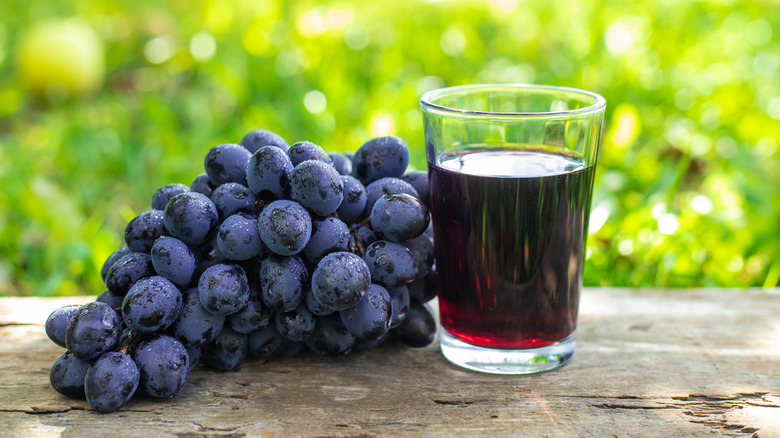
One of the most talked about differences between red and green grapes is resveratrol, which is present in much higher quantities in the darker grapes. This antioxidant is often touted as the reason that red wine has more health benefits, whereas white wine has fewer. The vast majority of resveratrol in grapes is found in the skin, and since the skins are kept intact for making red wine, but not for white, this accounts for the significant different between the two drinks.
Resveratrol is a polyphenol that has antioxidant properties, and has a wide range of health benefits. It can reduce the amount of "bad" cholesterol in the blood, which in turn reduces the chance of strokes or cardiac issues. Its anti-inflammatory properties have also been shown to protect brain health, which could reduce the chance of cognitive decline. "Resveratrol and other antioxidants are kind of like Saran wrap for your cells," says Julia Zumpano, a registered dietician. "They wrap around the cell like a nice layer, so when you have compounds floating around your bloodstream and the environment that are trying to attack and damage that cell, you have this extra layer of protection."
While red grapes have a concentrated dose of extra antioxidants in their skin in the form of resveratrol, it doesn't mean they are way ahead of their white counterparts nutritionally. Both are rich in plenty of nutritional compounds and make a great, sweet snack that does more for your body than simply staving off the hunger pangs.