

The Popular Detox Myth That's Been Debunked By Science

Inevitably, someone you know or you yourself have participated in a detox trend. Maybe your coworker was consuming celery juice every morning for a week straight, or your aunt spent a few days drinking a mixture of lemon and cayenne pepper. While the agent of detoxification might vary from specific juices to fasting to spending a long amount of time in the sauna, the keywords often overlap. These trends rely on the belief that the body is collecting large amounts of vague but ominous harmful substances, and that these must be purged. The truth is that our bodies have very efficient systems that remove toxins on their own, provided you are not ingesting actual poison. Although the detox fads might seem harmless, they can actually be problematic, particularly in medically vulnerable populations.
Detox trends are marketed on the premise that you can employ an external source to cleanse yourself of these nebulous toxins that are harming your body. Many of these detox diets do not explain what toxins actually are. Largely, these vaguely allude to synthetic substances you might have consumed via aerosol pollutants or potent medications. While some types of pollutants are particularly damaging to overall health, many of the toxins that we encounter are naturally disposed of through our liver and kidneys. Although the detox myth suggests that we can rid ourselves of these, the only effective method supported by science is reduced exposure for long periods of time.
Potential harms
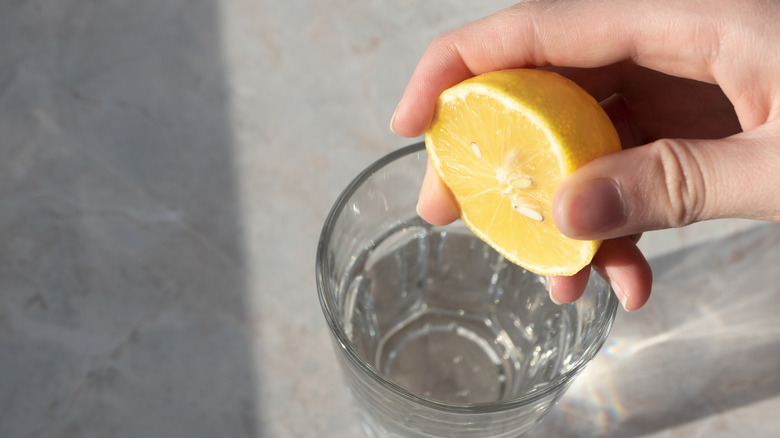
Although many detox trends include a liquid diet, it is worth remembering that most things are toxic in excess, even water. Moreover, going without food and consuming only liquids could lead to a detrimental imbalance of electrolytes in your body. Additionally, an excessive amount of vitamins and minerals, often prescribed in detoxes, is toxic as well. While some detox methods do not rely on liquid diets, they come with their own risks. For instance, improper use of laxatives can lead to dehydration. Those most vulnerable to the potential harms of detoxes include the elderly, pregnant people, and individuals with diabetes and immune deficiencies.
In spite of these possibly harmful effects, it makes sense that we gravitate towards something like a detox diet to improve our health. They are generally inexpensive and much more accessible than regular checkups with your healthcare provider. Additionally, they are often endorsed by stunning and glamorous celebrities, like Gwyneth Paltrow, who seem to radiate with vitality. Rapid results, while not backed by scientific evidence, are played up and promised with such a simple barrier to entry.
At best, detoxes just cause you to have fancy urine for a couple of days. Meanwhile, the inherent function of your organs largely accomplishes the goals of such a cleanse on their own. The aspect that people often miss, though, is that there are worse outcomes that could result from participation in these wellness trends, and false promises are not without harm.