

This Ice Age Doomsday Prediction Never Happened – But What If It Had?
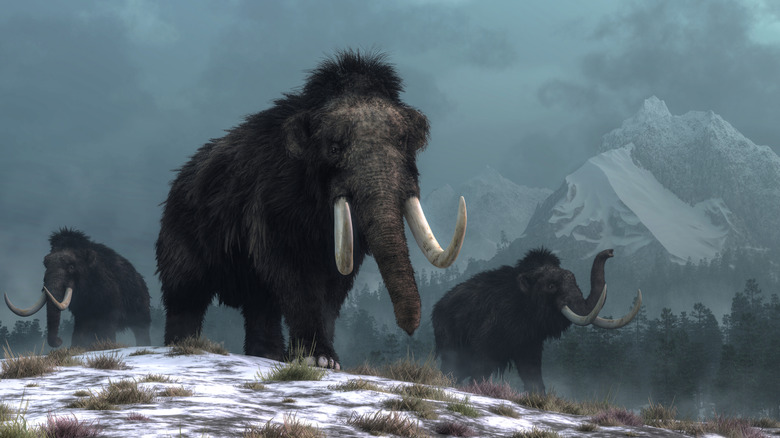
In a 1970 speech, ecologist Kenneth Watt warned of a pending ice age, saying, "The world has been chilling sharply for about twenty years ... If present trends continue, the world will be about four degrees colder for the global mean temperature in 1990, but eleven degrees colder in the year 2000." More than 20 years later, Watt's doomsday scenario isn't here yet, but what if it was? Humans made it through the last ice age, and they would likely make it through the next one too, but not without massive struggles.
An ice age is a period in Earth's history where global temperatures plummet and much of the planet is covered in ice or tundra. Earth has gone through at least five major ice ages, with each lasting millions to tens of millions of years. Technically, we're still in the most recent of these ice ages, called the Quaternary Glaciation, and have been for about 2.6 million years. As you've probably noticed, only a small part of the world is covered in ice. That's because we're in an interglacial period, or a period of warming that occurs in roughly 100,000-year cycles due to changes in the Earth's tilt and orbit.
Human society would be massively disrupted if we suddenly went into a period of global cooling. A temperature drop of 11 degrees Celsius (20 degrees Fahrenheit) would likely lead to food shortages across the globe, a large drop in sea levels, and loss of biodiversity that could affect agriculture and contribute to disease transmission. Food shortages and changing geography could also trigger global disputes as countries fight for resources.
Would humans survive another ice age?
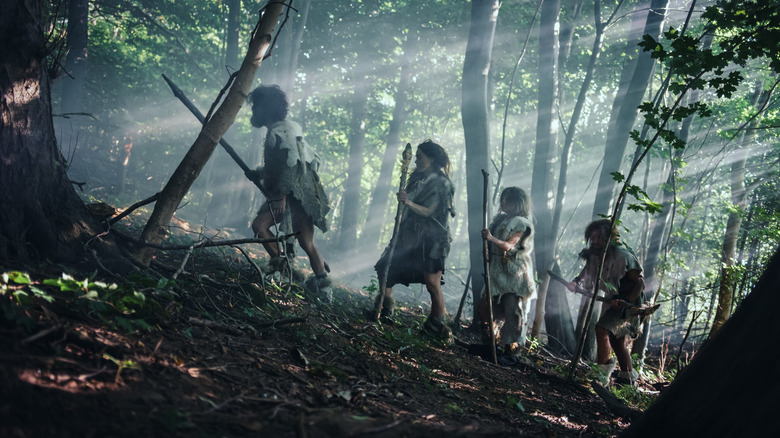
Modern humans evolved roughly 200,000 years ago, overlapping with the last glacial period about 120,000 to 11,500 years ago. Life wasn't easy during the last ice age for our ancestors, but we did survive. If there was another period of rapid cooling, we likely would survive again, but there could be millions to billions of casualties. Rather than freezing to death, a bigger threat to us would be food shortages caused by a changing climate and disruptions to supply chains.
Food shortages are already a major global problem affecting nearly 300 million people. Supply and demand influences global markets, and factors like war, low crop yields, and increased fuel costs can all cause surges in global food prices. Relatively wealthy countries like those in Europe and North America generally fare better during food shortages than poorer countries since they can pay more to secure food by importing it from other countries.
Another ice age would likely exacerbate this trend, especially considering some of the richest countries are also those that may have the largest impact on their growing climate during an ice age. For example, if Watt's prediction had come true, the average yearly temperature in the Chicago area would have dipped below freezing, giving ice and snow more time to build up and less time to melt throughout the year.
How would an ice age affect humans?
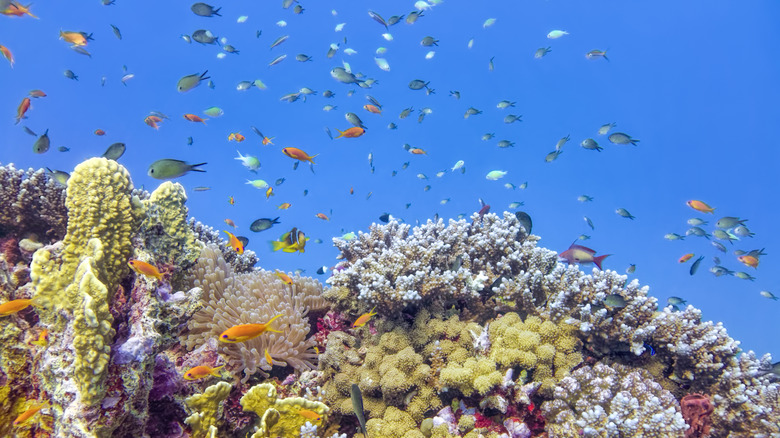
Another ice age could cause sea levels to drop by nearly 400 feet due to more of the world's water becoming sealed in ice, drastically changing the planet as we know it. Many coastal areas would lose their industry since they're no longer by the sea, likely leading to mass migrations as people look for new opportunities elsewhere. Major shipping channels like the Mediterranean Sea and Bering Strait would lose ocean access and affect our ability to transport food, goods, and essential resources. Mass migration and changing ocean currents could lead to global conflicts as countries fight over resources.
Many plants and animals have adapted to live in a narrow range of temperatures. Global temperature shifts would inevitably lead to the extinction of many species. Climate change affects biodiversity, and removing animals or plants can lead to chain reactions that could cause other repercussions for humans. For example, loss of biodiversity can contribute to the spread of disease. It could also mean that the migratory habits of some animals change. Some of these, like some types of fish, are major food sources in some regions.
Humans would likely survive an ice age if it occurred today, but the planet would be drastically different, and there would be many casualties. Just because some of the more alarmist predictions haven't come true, it doesn't mean human action isn't still affecting the climate. Some of the warmest years recorded in history have come in the last 10 years and the effects of human activities on the environment are getting worse.