

Scientists In The '60s Thought This Coral Reef Was Dead, But Underwater Drone Footage Told A Different Story
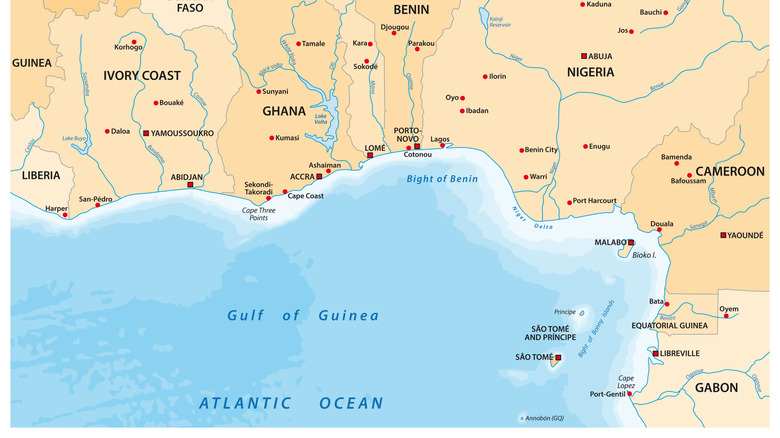
Coral reefs bring to mind a colorful and vibrant assemblage of life. Built from the calcium carbonate skeletons of corals, reefs provide shelter and serve as an ecosystem that is often thought of as an oceanic rainforest. However, sometimes predators that eat coral reefs or changes in ocean temperature can cause reefs to become lifeless. In the '60s, researchers mapping potential fishing grounds found a barrier reef more than 160 feet below the surface off the coast of Benin. This reef resembled dead reefs left over from when sea levels were lower found off of the Nigerian coast two years earlier. The reef the surveyors found was at a similar depth, so they concluded that it must also be dead. But in 2025, scientists armed with advanced sonar and underwater drones found that this reef was teeming with life.
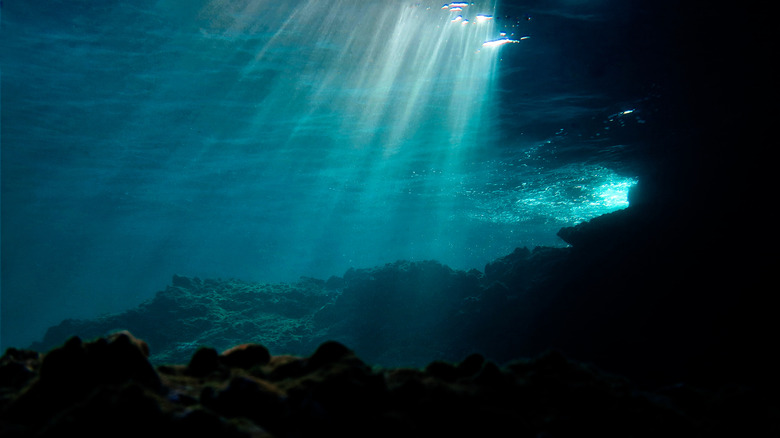
The reef in question is something known as a mesophotic coral ecosystem, a community of coral and other organisms found at the lower reaches of the photic zone, the zone of the ocean where light can reach. These reef communities consist of different types of organisms from shallower reefs. Mesophotic coral systems are deeper than reefs that can be accessed with normal recreational diving and can extend nearly 500 feet below the surface in clear waters in the tropics. This depth is likely one reason why mesophotic reefs have been studied less than shallower marine environments.
A reef teeming with life
The survey from the '60s was requested by the governments of Benin and Togo to map areas that could serve as productive fishing grounds and better understand fish diversity on the continental shelf. However, no further research on corals in this region had been done, leaving a significant gap in knowledge. To address this gap, the Coral Reefs Rediscovering and Exploration project in Benin was established to find and characterize mesophotic coral communities off the coast of Benin.
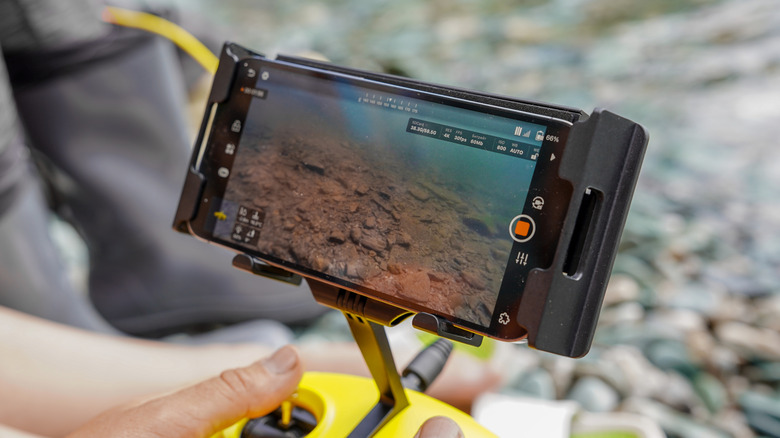
The research team surveyed a stretch of ocean floor a little more than seven miles long using advanced sonar instruments. The results of this survey showed two areas on the seabed that resembled mesophotic reefs. The scientists then targeted these areas for closer inspection, sending an underwater drone to get a closer look. The drone was equipped with an underwater camera known as the Deep Sea Camera System provided by the National Geographic Exploration Technology Lab. The Deep Sea Camera System returned footage that showed an ecosystem teeming with life. This reef contained eight different species of coral and another eight types of fish who called the reef home.
A need for further exploration
Finding such a diverse arrangement of organisms indicates that the reef in question is not an isolated system but rather one of several active habitats. Additionally the area studied could be part of a continuous reef barrier that runs around 25 miles along Benin's coastline. However, while these findings show the region in a new light, the scientists emphasize the need for further research.
First, findings of coral and fish species are based on visual data. Confirming what organisms live in this mesophotic community will require direct sampling. The researchers also note that it is currently unclear if this reef was alive in the '60s and just assumed to be dead, or if the reef was dead and has recovered since then. Additional mapping and video collection, along with sample collection, would yield greater insights into the age and origin of the reefs. Having a greater understanding of the extent of mesophotic reefs in this region would also give a better understanding of the degree of connection between coral systems and how they might be affected by natural and human-driven pressures.
These findings marked the first time researchers had observed living mesophotic coral systems on the Benin continental shelf, which highlights a gap in our understanding of coastal areas in West Africa; however, the findings also demonstrate that this region could be home to a far more vibrant and diverse set of ecosystems than previously thought.