

Not Skin, Not Hair: Scientists Say This Body Part Is A Subtle Indicator Of Good Health
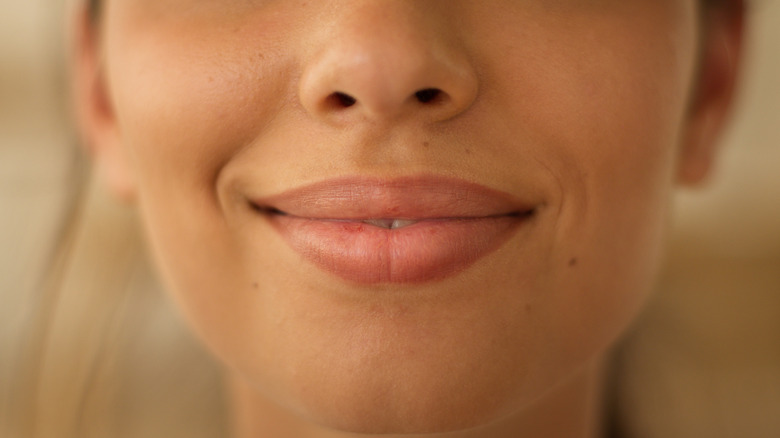
Your physical appearance can give a crucial insight into your overall health, and hair, skin, and nails are often considered the most informative features. However, there is another body part that can offer a visual clue as to how things are going internally: your lips. Many of us dismiss dry or chapped lips as a symptom of the weather and hastily apply some lip balm, but they could be offering clues to a deeper underlying issue.
One of the reasons the lips can give insight is because they are different from the rest of the skin on your face. The vermillion is the part of the mouth that we refer to when we talk about lips, and it doesn't have the hair or sweat glands that are present on the rest of the face. The red color of healthy lips comes from the network of blood vessels under the skin, which is significantly thinner than on the rest of your face, meaning the color of the blood shines through. While lip color can vary from person to person, any change from your usual shade could signal that something is not quite right.
Blue is the most concerning color for lips, as it suggests that the blood doesn't have sufficient oxygen. Known as cyanosis, blue (or sometimes grey) lips can be a sign of chronic conditions such as heart defects or chronic obstructive pulmonary disease, as well as urgent medical situations including choking, a collapsed lung, or a seizure. Pale lips can be a sign of anemia, so it may be worth getting your iron levels checked if you notice a marked difference.
Dry lips may be down to more than simply cold weather
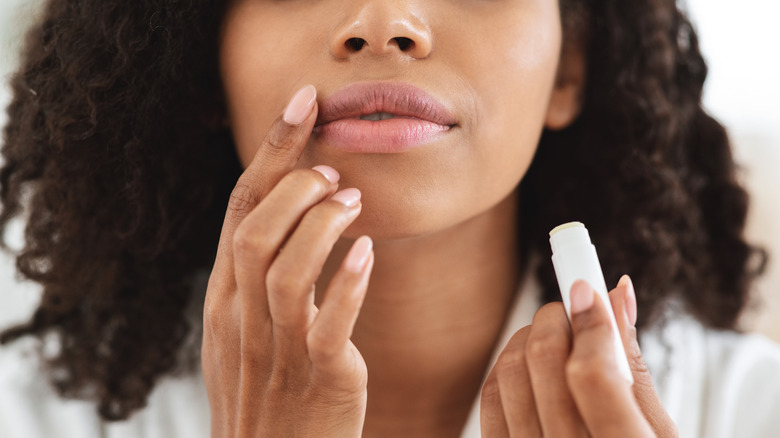
The lack of sebaceous glands in the lips, which produce oil in the rest of the skin, means that they can dry out very easily. They are very sensitive to changes in environment, so a long day in the sun or a frosty morning can both cause the skin on the lips to become dry. A study published in the British Journal of Dermatology in 2004 showed that water loss through the lips was three times higher than on the cheek. Chapped lips, known as cheilitis, is a common symptom of changing weather, but it can also be a sign of more serious issues elsewhere in the body.
If your body is chronically dehydrated, it may be hard to spot at first, since symptoms can be mild or appear to be related to other factors. Thirst, tiredness, and constipation can all be symptoms of dehydration, and dry lips are often an early sign. If the cheilitis spreads to the corners of the lips, known as angular cheilitis, it can become very painful, and even opening the mouth can be difficult. As well as dehydration, cracking in the corners of the mouth can be a sign of thrush, or deficiencies in vitamins and minerals such as vitamin B and zinc, or a lack of protein.
If you are finding sore, chapped, and dry lips are becoming a regular issue, keeping them moisturized and upping your water intake would be a sensible first step. If hydrating doesn't make much of a difference, further investigation may be required.
Persistent changes in the lips should be acknowledged
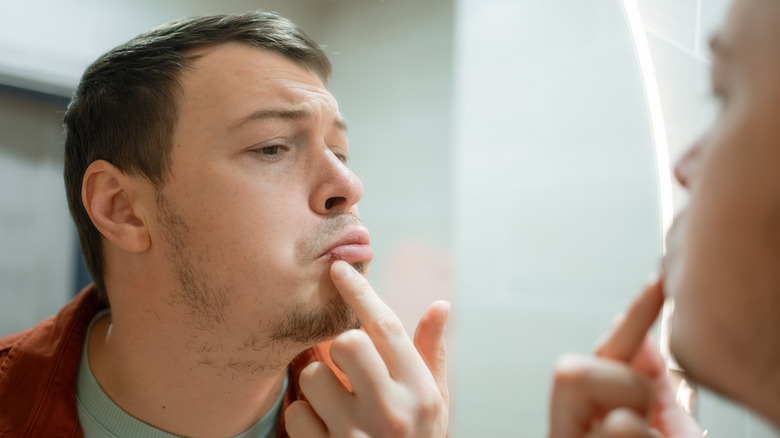
While your lips may look different from one day to the next — and even from hour to hour — changes that persist can be more significant than fleeting ones. Chapped lips on a cold winter's morning are not the same as dry, sore lips that last for weeks without any improvement.
Swelling of the lips can indicate that there are issues elsewhere, in particular an allergic reaction. While extreme swelling of the lips could represent anaphylaxis and is a medical emergency, more subtle swelling could be a sign that something in your environment is causing an unwanted reaction, from a new perfume or cosmetic, to an allergy to drugs or food. If your lips seem larger than usual for a few days, consider whether anything new has been added to your diet or routine, since it may be to blame.
Cold sores are another painful feature that can appear on the lips, and they can be an indication of stress elsewhere in the body. The herpes simplex virus is responsible for the sores, and never leaves the body once it has been contracted, but the symptoms of blisters and scabs flare up during times of stress, illness, or hormonal fluctuation. This doesn't mean that any dry patch or tingling in the lips is a sign that something serious is wrong, simply that your lips can give you early clues to potential issues in the rest of your body.