

The Common Nosebleed Myth That's Been Debunked By Science

Experiencing unexplained bleeding from one of your nostrils can certainly be a concerning (and unwelcome) event. Yet nosebleeds (clinically known as epistaxis) are actually common occurrences, with the American Academy of Otolaryngology Head and Neck Surgery Foundation estimating that at least 60% of people have had at least one such event. They're also more common in young children and older adults, with most cases linked with minor tissue irritations. There are a wide range of factors that can contribute to nasal irritation and subsequent bleeding, but there's misinformation about some of the causes, too. One such myth involves certain foods you might eat. If you've ever heard that spicy foods can directly cause nosebleeds, know that there is no scientific backing to this claim.
Spicy foods are known for their heating effects, but there's much more going on when you eat them from a physiological standpoint. Whether you're eating black pepper or hot peppers, spices can relax and open your blood vessels. Such dilating effects may cause blood to flow more freely, which is why some people may experience symptoms such as facial flushing when they eat spicy foods. It is these effects that have fueled the spicy food–nosebleed connection.
Nosebleeds develop as a result of capillaries inside the nose that rupture and bleed from irritation or injury, rather than from vasodilation alone. Also, while nosebleeds aren't uncommon, these events can occasionally be serious. It is worth talking with a doctor about any nosebleed you're concerned about, particularly if it keeps coming back without any known cause, occurs out of both nostrils, or if the bleeding doesn't stop within 20 minutes, says MedlinePlus.
When spicy foods can worsen nosebleeds, and more direct nosebleed causes
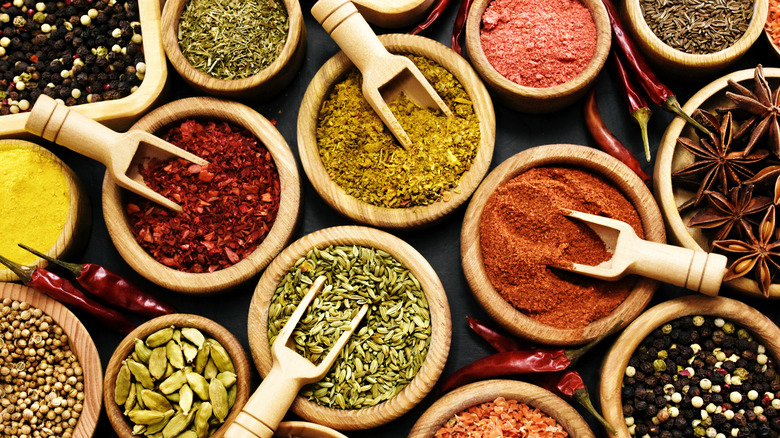
While spicy foods do not directly cause an initial nosebleed, there's a chance that spices may worsen existing cases in some people. For example, previous research published in The Laryngoscope that explored diet and lifestyle factors in people with a rare type of genetic disorder found that participants experienced more severe bleeding after consuming certain foods. While alcohol was the most commonly implicated substance linked to nosebleed severity, participants reported certain spices could trigger nosebleeds as well. To this end, the National Bleeding Disorders Foundation recommends avoiding hot and spicy foods for the rest of the day after you've had a nosebleed, as the vasodilation may worsen bleeding that's already occurred from ruptured capillaries.
Simply blaming dietary choices can mask the true underlying causes of nosebleeds, though. Aside from knowing about this spicy food-related myth, it's important to know the more scientifically-established causes of nosebleeds. According to MedlinePlus, common triggers include irritation from dry air, blowing your nose, or allergies and colds. Nosebleeds can also be attributed to injuries from picking the inside of the nostrils or more serious traumatic injuries. Chemical irritants, recent surgeries, and repeated use of decongestant sprays are other common causes. Recurring nosebleeds can also be linked to tumors in the area, bleeding disorders, and high blood pressure (it's also worth knowing the science behind the newest blood pressure guidelines). A deviated septum is another common cause of frequent nosebleeds, as is taking certain medications, such as long-term aspirin use.