

Scientists Warn Earth's Waters Are Quietly Losing Something Critical
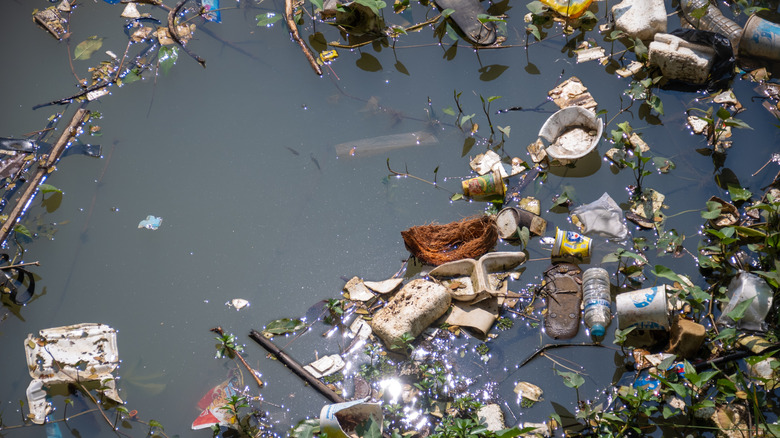
Every cell in the human body needs oxygen to survive. Like humans, fish and other underwater creatures also need oxygen, but they extract it from the water instead of from the air. Taken in total, there's still a lot of oxygen in the water, but it's quietly disappearing from lakes, oceans, rivers, and coastal waters at an alarmingly fast rate, threatening to have massive repercussions for underwater biodiversity, according to a Limnology and Oceanography study.
Oceans have already lost about 2% of their oxygen levels in the last 50 years, leading to substantial losses in marine life, especially in mid-level water around the poles, the southeast Atlantic, the Indian Ocean, and parts of the northern and equatorial Pacific. Lakes have been losing 1.5% to 5% of their oxygen per decade, and rivers have been losing 1% to 1.5% over the same time frame. Human activity is thought to be the primary driver of this oxygen loss, in particular, climate change and the runoff of nutrients from sources such as sewage and agriculture.
Low oxygen levels in the water can threaten almost every part of the food web. Like other ecosystems, life underwater exists in a fine balance, and human activity has the potential to cause disruptions that we don't fully understand yet. Taking steps to improve our environmental footprint may be able to reverse some of the ecological impact humans are making.
Why oxygen levels are declining in global waters
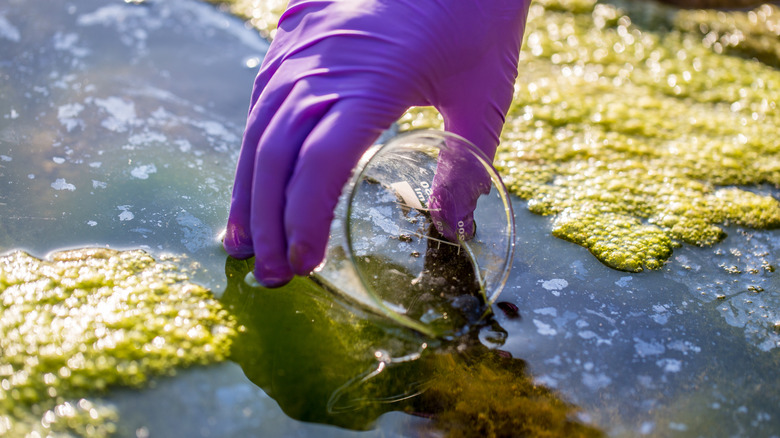
The scientific term for reduced oxygen in the air or water is deoxygenation. Like on land, living organisms require oxygen to survive. If animals and other lifeforms consume oxygen faster than it can be replaced, the overall levels decline. Photosynthesis by phytoplankton and algae is one of the two main ways that oxygen enters the oceans and other bodies of water. The other main way is through vertical mixing, where oxygen at the water's surface is mixed in through wind and waves.
Human activities are thought to be the primary cause of underwater deoxygenation. Activities like burning fossil fuels, deforestation, and agriculture contribute to a rise in levels of greenhouse gases like CO2 and a rise in Earth's temperatures, with the oceans absorbing the vast majority of this warming. Oxygen dissolves into cold water better than warm water — a process called solubility — so this rise in temperature can negatively impact the amount of oxygen available.
In coastal areas, excess agricultural chemicals and waterborne pollution can cause a process called eutrophication, characterized by the buildup of excess nutrients that can lead to algal blooms. There are many harmful effects of these algal blooms. For instance, when the algae die, they attract large amounts of bacteria that consume oxygen and lower overall oxygen availability. Larger fish that eat other marine life generally avoid these pockets of low-oxygen water, potentially forcing them to go elsewhere, disrupting the local food web.
How can humans reverse deoxygenation in Earth's waters?
Unfortunately, global waters are continuing to suffer from the impact of human activities. According to the International Union for Conservation of Nature, ocean oxygenation levels are expected to drop by an average of 3% to 4% by 2100. Predicted consequences include loss of biodiversity, loss of fishery resources, expanding algal blooms, and shifts in the distribution of marine life. Reducing harmful human activities may help improve oxygen levels and maintain underwater biodiversity.
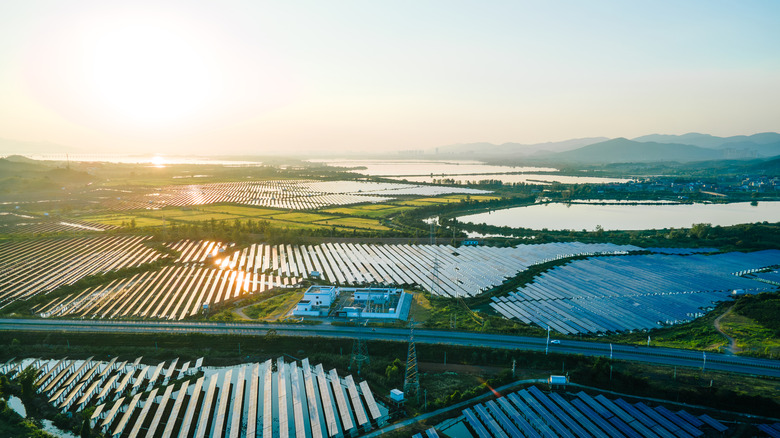
Two ways that humans can fight back against the loss of oxygen in the oceans are to reduce the burning of fossil fuels that lead to an increase in Earth's temperatures, and to control the runoff of nutrients in coastal areas. The burning of fossil fuels is one of the main causes of global warming. Creating new environmentally friendly policies and focusing on renewable sources such as solar or hydro power could help reduce our reliance on gas and oil. Implementing new policies to prevent excess pollution and chemical runoff in coastal areas may help reduce deoxygenation in those zones.
Replenishing oxygen levels is a slow process, but without changes now, it could take hundreds of years for the oceans to recover. Human activity is a driver of many negative changes to our global climate, and it's critical to enact policy changes now to minimize these impacts.