

The Difference Between Edible And Poisonous Mushrooms Is Easily Explained By Science
If you eat an unidentified mushroom, you might experience anything from a delicious meal to an unpleasant taste in your mouth, a psychedelic trip, or a potentially lethal visit to the hospital. There are roughly 14,000 types of mushrooms, and not all of them are as safe as the varieties you find at your local supermarket. The hundreds of known poisonous mushrooms contain chemicals such as cyclopeptides, gyromitrin, or orellanine that can be fatal for humans and your pets, and many of these mushrooms share similar appearances to edible mushrooms.
Roughly 7,400 cases of mushroom poisoning are reported each year in the United States, making it one of the leading causes of toxicity. Of these cases, roughly 39 per year cause major harm and about 3 people die. In mild cases, poisonous mushrooms may lead to vomiting or diarrhea, which are your body's ways of trying to expel the dangerous chemicals. In more serious cases, these chemicals can accumulate in tissues such as your kidneys and liver, leading to organ failure and death.
Edible mushrooms are often good sources of essential nutrients. Unfortunately, there's no universal set of rules to help you identify whether a mushroom is poisonous. The best way to avoid mushroom poisoning is to avoid eating unidentified mushrooms you pick yourself unless you're with an expert.
How to identify poisonous mushrooms
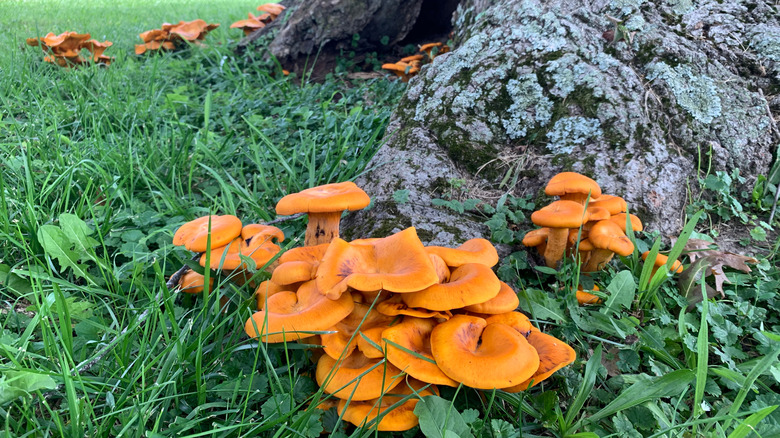
Life would be easier for foragers if mushrooms had characteristics that easily identified them as poisonous or safe. In reality, some poisonous mushrooms closely resemble commonly eaten varieties and can be mixed up even by some experts. Consuming commercially available edible varieties is often a good source of nutrients like iron and vitamin D. Consuming the wrong mushroom can cause signs of toxicity such as a fast heart rate, rapid and shallow breathing, or collapse.
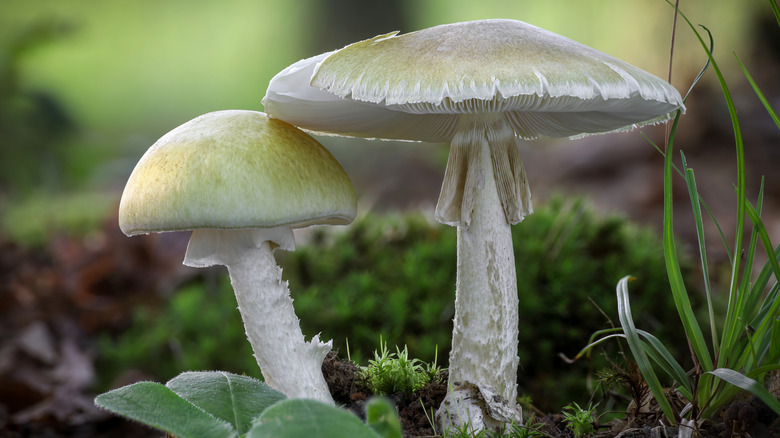
There are too many poisonous types of mushrooms to list them all in this article. The most common type implicated in human and animal fatalities is Amanita phalloides, or the "death cap" mushroom. These mushrooms are usually olive-green to yellow-brown in color with a pale stem and rings around the base. The cover photo at the beginning of this article is a death cap mushroom.
Conocybe filaris is another toxic mushroom widely distributed throughout North America and in high concentrations in the Pacific Northwest. It tends to have an innocent-looking appearance with a brownish to orangish cap and long, skinny stem. Humans should also avoid the deadly webcap found in the northern United States and Canada. It usually has a plain, tawny-brown cap. This variety contains orellanine. Consuming orellanine may have a 1–2 week latency period before causing symptoms or organ failure.
Picking wild mushrooms safely
The safest way to know if a mushroom is safe to eat is to buy it from a reputable source like your local supermarket. If you're foraging for mushrooms yourself, it's best to work with an expert who can teach you how to pick edible wild mushrooms. You can find a list of mushroom foraging providers in the United States or Canada from the North American Mycological Association.
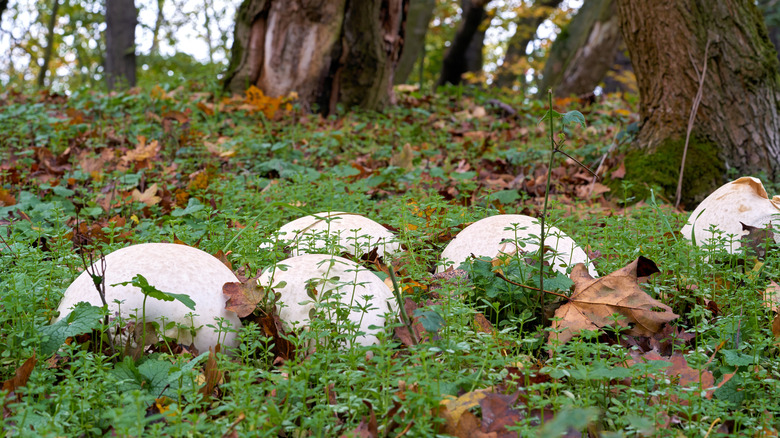
Some varieties of mushrooms are generally considered safer than others for beginners to harvest since they have a distinct appearance compared to most poisonous varieties. One of these beginner-safe mushrooms is called Calvatia gigantea, or the giant puffball, since it has a large, fluffy white appearance (see the picture above). These mushrooms are found throughout the central and eastern states as well as Canada.
If you or somebody you're with eats a potentially poisonous mushroom, it's important to immediately report to the emergency room. If possible, it's a good idea to bring part of the mushroom with you to the hospital. This helps medical professionals identify which variety was consumed and decide which treatment may be best.