

Taking This Popular Supplement Could Have An Unexpected Effect On Your Health
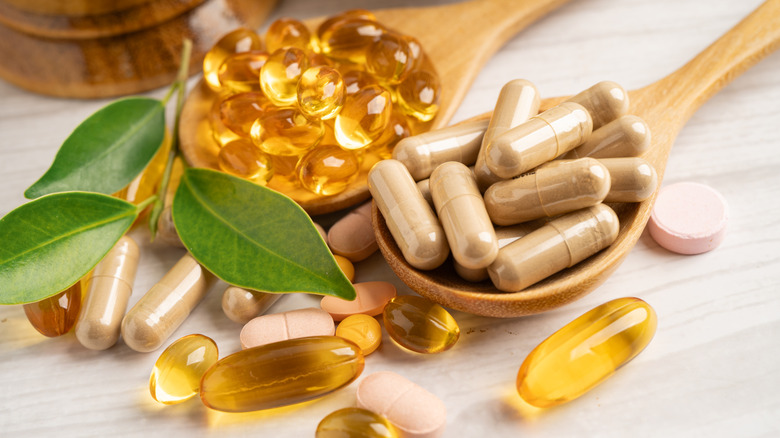
Omega-3 supplements are among the most popular on the market. Global sales are expected to reach $9.1 billion in 2026 and $12.9 billion by 2030. It's no wonder they're so popular, with health claims ranging from improving arthritis symptoms, reducing your risk of heart disease, and even potentially increasing your intelligence by supporting brain development. Although these supplements are generally considered safe, some research suggests they may increase the risk of heart arrhythmia for certain people.
Omega-3s are essential fatty acids, meaning that you can't live without getting them in your diet. The reason health professionals often recommend omega-3 supplements is the typical Western diet doesn't provide enough of them. A type of omega-3 called eicosapentaenoic acid (EPA) may help reduce inflammation in your body, while another type called docosahexaenoic acid (DHA) is essential for building tissues like your eyes and brain.
Not getting enough omega-3s in your diet can potentially increase inflammation, but you may also need to be careful when taking high doses, especially through prescription-strength supplements. High doses have been linked to a type of heart arrhythmia called atrial fibrillation. Atrial fibrillation is an abnormal heartbeat where the top chambers of the heart beat out of sync with the lower chambers. Left untreated, you could have a five times higher risk of stroke.
Potential risks of high-dose omega-3 supplements

Omega-3 supplements are generally considered safe since most people in the United States and other Western countries don't typically get enough in their diet. Research suggests that taking omega-3 supplements may reduce your risk of heart disease. For example, in a 2024 review, researchers found that people taking omega-3s had a 5% lower risk of heart disease compared to control groups, a 10% lower risk of heart attack, and a 6% lower risk of cardiovascular death.
In the same study, researchers found that rates of atrial fibrillation were 25% higher in people taking omega-3s. No statistical differences were noted for heart attack, stroke, and all-cause mortality. It's unclear why omega-3 supplements may increase atrial fibrillation risk since they generally seem to be protective against abnormal heartbeats such as ventricular arrhythmias. Part of the reason might be changing levels of electrolytes such as calcium and sodium in your heart tissue.
Most studies that have found a potential link between omega-3s and atrial fibrillation have observed the highest risk in people taking very high dosages of supplements. For example, in a review published in the American Heart Association's Arrhythmia and Electrophysiology, the researchers found that only people at high risk for heart disease treated with EPA and DHA above 1,500 milligrams per day showed a statistically significant increase in atrial fibrillation. The risk was 43% higher in high-risk people taking high dosages compared to low-risk people taking low dosages.
Where can you get omega-3s from naturally?
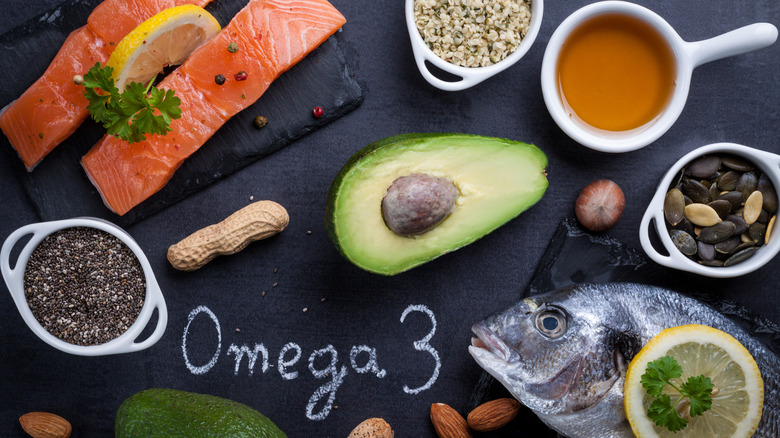
Omega-3s naturally occur in foods such as fatty fish and plant sources like flaxseed. Animal sources of omega-3s are generally better utilized by your body since they contain EPA and DHA. Most plant sources contain alpha-linolenic acid, which your body can use as an energy source, but less than 15% gets converted to EPA and DHA.
Until the last 100 years or so, the typical Western diet provided an omega-3 to omega-6 ratio of around 1:4. Omega-6s are another essential fatty acid, but most people tend to get too much of them in their diet since they're found in sources like vegetable oils and processed foods. Today, many people consume a ratio closer to 1:20, which may increase inflammation and the risk for many health conditions.
You can boost the omega-3s in your diet by increasing your intake of foods such as salmon, herring, and mackerel. Certain types of eggs are also fortified with omega-3s. Some of the plant sources highest in omega-3s include flaxseeds, walnuts, and chia seeds. Including these foods in your diet can potentially support your overall health, but it's a good idea to talk to a dietitian before adding high dosages of omega-3 supplements to your daily routine.