

Scientists Put Human Poop Into Concrete And Waited 91 Days. One Result Jumped 42%
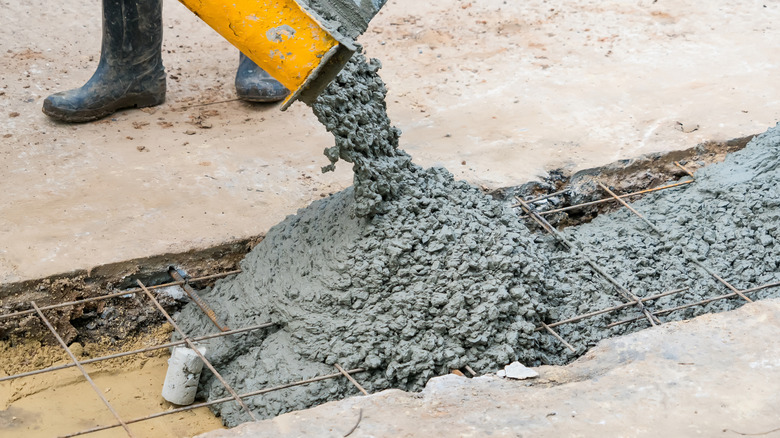
Concrete is one of the most widely used materials in the world. It's strength, durability, and the ability to mold it into nearly any shape makes it ideal for many different projects. However, concrete is also responsible for a big chunk of the world's carbon dioxide emissions and uses a large amount of resources. Scientists have been looking for alternatives to conventional cement in concrete production, and one recent study investigated using cement made from human poop. Specifically, they tested biochar made using sludge from wastewater treatment plants. After 91 days the researchers found that one of the blends they tested had a 42% increase in its flexural strength over standard concrete.
Flexural strength is a material's resistance to bending. Concrete normally has very high compressive strength, making it a good choice for roads and sidewalks. In fact, the same concrete blend had 21% greater compressive strength. However, it normally has fairly low flexural strength, which is why concrete buildings, roads, and bridges include steel reinforcement materials. Having greater flexural and compressive strength demonstrates that this substitute cement made from human poop may be a promising material for more sustainable concrete production.
The search for sustainable concrete production
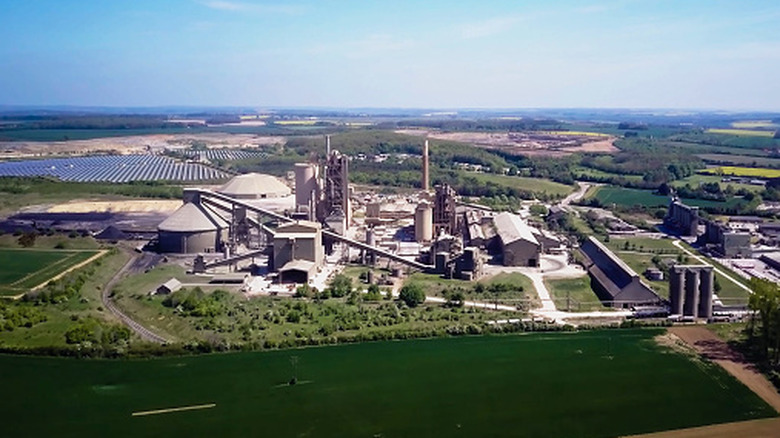
Concrete is made of a mixture of particulate material known as aggregate like sand and gravel and cement that holds aggregate grains together. Centuries ago the Romans used a cement known as pozzolana, that they made from ground up volcanic material. Today we use a mixture of limestone and clay or shale known as Portland cement to make concrete. Mining and processing materials to make Portland cement requires a lot of energy and the chemical reactions between water and cement that take place when concrete hardens releases carbon dioxide.
To address these challenges, the industry has been searching for alternative pozzolanic materials ranging from fly ash to biochar made from coffee grounds. However, there has been less attention paid to biochar produced from the sludge left over from treating wastewater as a pozzolanic material. Unsafe disposal of fecal sludge can be hazardous to human health and the environment because of the pathogens it can contain. Making biochar kills these pathogens as the production process heats the sludge to temperatures between 660 and 1,400 degrees Fahrenheit without oxygen. Biochar is increasingly being used to improve soil quality and sequester carbon dioxide, but it has also shown promise as an alternative to conventional cement.
Analyzing concrete made with poop-derived biochar
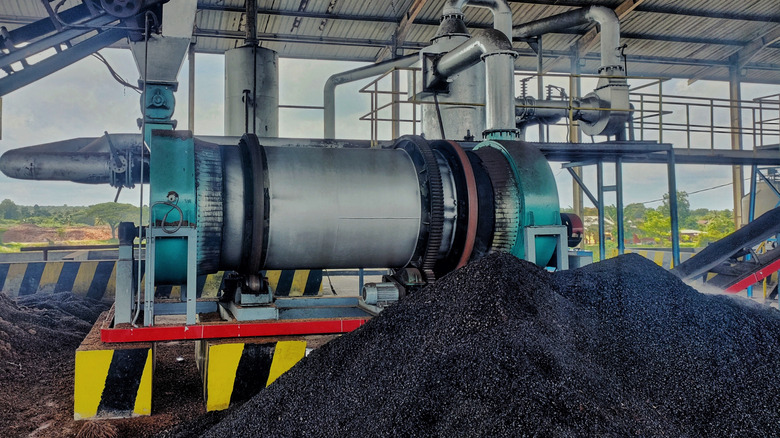
To test this new poop-derived material, the researchers made batches of concrete made with cement mixtures containing 5%, 10%, and 15% biochar, with the remainder being conventional cement. They observed how the concrete cured over time, measuring water absorption, pore formation, strength, and shrinkage.
After 28 days they found that the concrete with 15% biochar had porosity and water absorption similar to conventional concrete. After a curing period of 91 days, they measured the compressive and flexural strength of the samples and found that the 10% biochar mixture showed the most increase in mechanical strength, while the 15% mixture was actually mechanically weaker. A month later, the researchers measured how much the concrete had shrunk since it was made. They found that the 10% mix had similar shrinkage to ordinary concrete, showing that biochar is stable over a relatively long time.
This shows that biochar made from poop could be used to make stronger and more sustainable concrete. However, more study will be needed to see whether potential contaminants could leach out into concrete over time. At the same time, researchers will need to look into the economics of large-scale production of sludge-derived biochar. With growing demand for concrete, the prospect of being able to make stronger and more sustainable materials using poop could be promising.