

25 People Were Sealed In A Space Simulation For 1 Year. Their Brain Scan Results Were Unexpected.
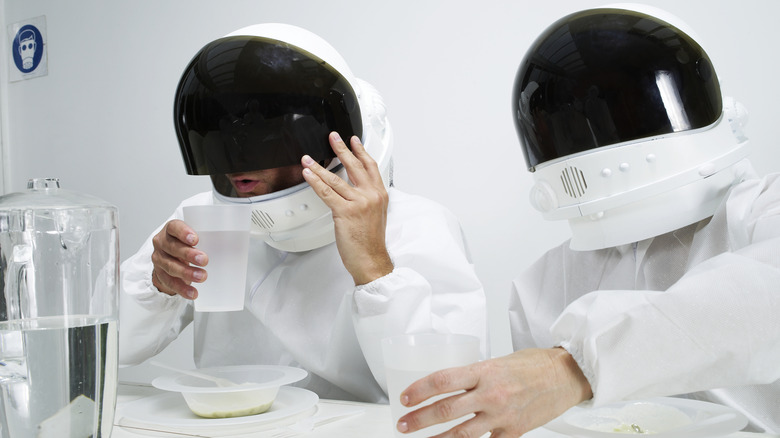
Long-duration space flight takes a toll on people that we're still working to understand. Microgravity, radiation exposure, and the isolation that comes from being cooped up in a small spacecraft for months or more are just a few of the hazards people would face on a trip to Mars. In 2015, scientists sent 25 people to an isolated research facility in Antarctica for a simulated one-year space mission. They expected to see changes in the simulated astronauts' brains that would resolve once they returned home. But a follow-up scan five months later showed that changes to the thalamus, the part of the brain that regulates attention and consciousness and relays sensory information to the rest of the brain, persisted.
The simulated space mission took place at Concordia Station, a joint French–Italian facility on the Eastern Antarctic Plateau, one of the coldest places on Earth. Concordia is perched at an elevation of 10,500 feet, but with an average pressure like that seen at 13,000 feet above sea level at the equator, and has an average temperature of -60 degrees Fahrenheit. The station is more than 350 miles away from the next closest station and is inaccessible during the winter. From February to November, people at Concordia face constant darkness, extreme cold, and isolation.
Antarctic isolation affects the brain

Brain scans have found short-term changes to astronaut brains after space travel, though most of these changes have been attributed to microgravity. Other environmental stressors like lower levels of oxygen and isolation, which space travel and Concordia have in common, can also affect the brain. At the same time, research using brain scans has associated sleep disruptions with changes in brain structure. Astronauts on the International Space Station report getting less than the recommended amount of sleep, and people who spend the winter in Antarctica often have disrupted sleep cycles because of the lack of normal changes in daylight. Insomnia, waking in the middle of the night, and daytime sleepiness are common occurrences.
The question is to what degree these stresses would affect astronaut brains. The researchers took MRI scans of the simulated astronauts' brains before their mission, immediately afterward, and again five months later. The scans showed reduced volumes of gray matter, a type of brain tissue that helps us think, remember, and process sensory data. Gray matter volume decreased throughout the brain; however, the losses were most pronounced in the temporal and parietal cortices, the hippocampus, and the thalamus. The gray matter decrease itself wasn't surprising, but the persistence of tissue loss in the thalamus was unexpected. At the same time, the researchers found that the amount of gray matter loss varied between subjects, as did cognitive performance.
Gray matter loss and surprising cognitive effects
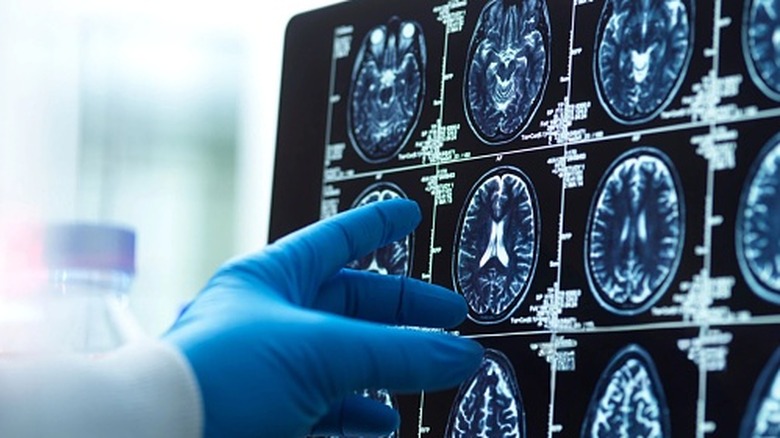
While at Concordia Station, the subjects were given cognitive tests to measure things like memory, empathy, and logical thinking. The simulated astronauts also practiced flying a Soyuz spacecraft simulator and had their coordination and reaction time measured. During their Antarctic excursion, participants also closely tracked their sleep times and quality and their levels of physical activity. Analysis found that those who slept better and spent more time in the gym showed lower degrees of gray matter reduction. This reinforces the importance of physical activity for space travelers who are already expected to exercise daily to preserve bone and muscle.
However, another unexpected finding that the researchers had was that the subjects who showed the greatest amount of gray matter loss had better performance on cognitive tests than those who lost more gray matter. Typically having more gray matter preservation is linked with better cognitive performance. The researchers suspect that this could be an adaptive mechanism for dealing with long-term stress in which the body conserves resources. However, more research is needed to better understand changes like these, their downstream effects on cognition, mood, and performance, and what can be done to keep astronaut brains healthy on the long journey into deep space.