

The Blood Type That Could Increase Your Risk Of Type 2 Diabetes
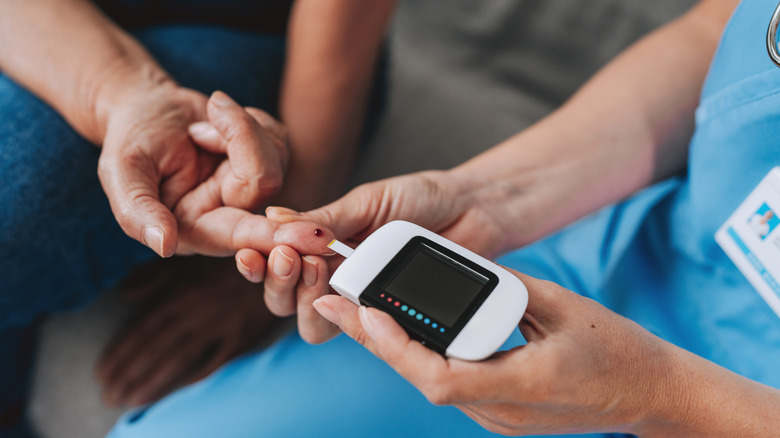
Type 2 diabetes is one of the most common health issues in the United States. About 1 in 8 Americans have diabetes, with 90 to 95% of these cases being type 2 diabetes. Like most health conditions, genetics and lifestyle play a role in its development. Some evidence suggests that people with type B blood may be at an increased risk of type 2 diabetes, although researchers aren't entirely sure why, and more studies are needed to confirm the findings.
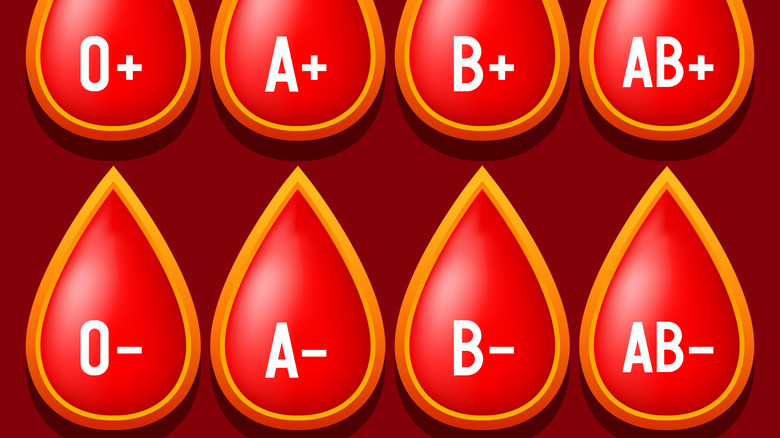
Your blood group is a classification of your blood based on protein markers on the surface of your red blood cells. You inherit one of these proteins from each of your parents, and the combination determines your blood type. Blood types are classified as O, A, B, or AB depending on whether you have A or B proteins. People with O type have neither protein, while people with AB have both. Additionally, blood types are classified as positive or negative depending on whether they have another protein called the rhesus factor. The most common blood type in the United States is O positive.
Type 2 diabetes is primarily caused by insulin resistance. Insulin is a hormone produced by your pancreas to shuttle sugar out of your blood and into your liver, fat cells, and muscle cells. Chronically high insulin levels can lead to insulin resistance, where your body stops responding to insulin produced by the pancreas. Over time, this leads to chronically high blood sugar levels that damage your cells and result in diabetic complications like nerve or blood vessel damage.
Is type B blood linked to type 2 diabetes?
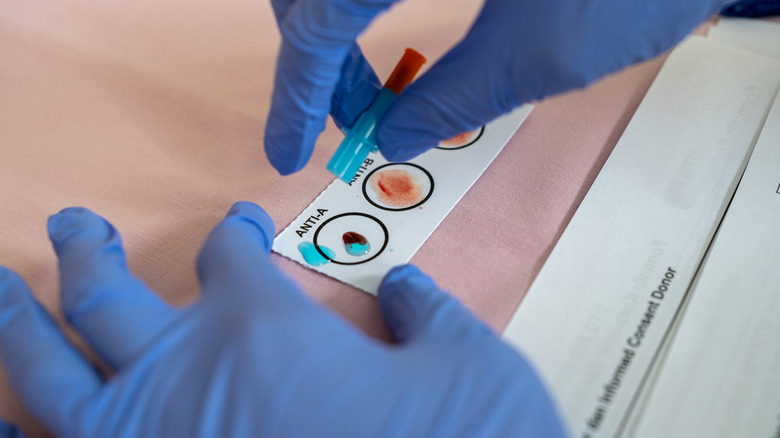
A definitive link between type B blood and type 2 diabetes hasn't been established. Some studies show that people with type B blood may be at an increased risk of type 2 diabetes, but research on the subject has been conflicting. Additionally, a plausible reason for the link hasn't been proven.
In a 2021 study, researchers collected blood type data from 400 people with diabetes and 400 people without diabetes in Karachi, Pakistan. The researchers found that having a B blood type was significantly correlated with having type 2 diabetes, and a negative association (meaning type 2 diabetes was less likely) was observed in people with blood group O. Likewise, a 2026 study conducted by researchers in India found similar results. They concluded that B blood type was linked to type 2 diabetes in a relatively small sample size of 300 people.
A 2022 review of studies from researchers in Ethiopia also found that people with type B had a 30% higher risk of type 2 diabetes, while people with type O had an 8% lower risk than the general population among the 6,870 people distributed across 26 studies. A 2023 meta-analysis found conflicting results, reporting the lowest risk among type-B individuals and the highest risk among type-AB individuals. All of these studies including the reviews are still relatively small, and larger studies are needed to confirm whether there's a link at all and what might cause it.
What health conditions are linked to your blood type?
Although researchers are continuing to examine whether your blood type is a genetic risk factor for type 2 diabetes, a stronger link has already been established between your blood type and many other condition. For instance, type A blood may be related to higher rates of strokes. If you have type O, you may have a lower risk of heart attack compared to people with other blood types.
Type O has also been associated with some infections like mumps, tuberculosis, and cholera while people with type AB may have an increased risk of Salmonella, smallpox, and E. coli infections. People with type A blood seem to have higher rates of small pox, stomach cancer, and ovarian cancer. Type B has been associated with gonorrhea, streptococcal pneumonia, and Salmonella.
No matter what type of blood type you have, you can decrease your risk of type 2 diabetes by limiting the amount of refined sugar in your diet. For example, you can try to replace sugary drinks like sodas with healthier alternatives like teas or water. You can also try to replace sugary desserts like cake or cookies with naturally sweet fruits like bananas or apples.