

The Universal Donor Blood Type Myth That's Been Debunked By Science

Although all human blood looks the same to the naked eye, examining cells under a microscope reveals different proteins and sugar molecules on the surface of red blood cells. These proteins determine which of the eight most common blood types you have. According to the Red Cross, about 7% of people in the United States have O− blood, also referred to as the universal donor blood type since it can be transfused to almost anybody. However, for a small number of people with rare blood types, receiving O− blood can still trigger an immune reaction.
Your blood type is inherited from your parents and stays the same your whole life. The ABO part of your blood type signifies which antigens (A or B protein markers on the surface of red blood cells) you do or don't have. The positive or negative sign in your blood type means you're either positive or negative for another protein marker called the rhesus factor. People with AB+ blood types can receive blood from every blood type. People with O− can only receive blood from O− donors. However, this blood type is called the universal donor since it lacks proteins on its surface that trigger an immune response in people with any other common blood type.
Despite being safe for other people who fall into the eight common ABO+ groups, O− blood can still trigger immune reactions in people with rare blood types. Some people, such as people with Rh-null blood can only receive blood from other people with this very rare blood type. Additionally, all blood types have the potential to carry disease that can be transmitted between people and the general "universal donor" rules only apply for red blood cell transfusions, not those involving platelets or plasma.
Can O− blood always be transfused safely?
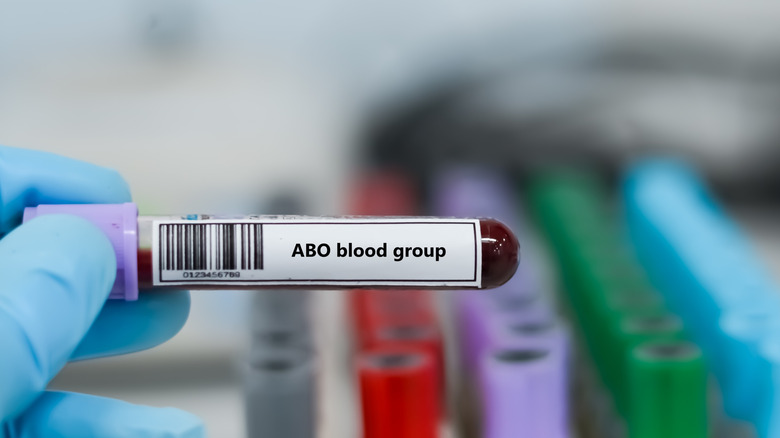
O− blood can almost always be transfused safely without triggering an immune reaction. People with A blood make antibodies that can trigger an immune response when they receive B-type blood, and vice versa for people with B-type blood receiving A blood. People with AB blood don't make antibodies against either blood type and can receive either, while people with O blood make antibodies against every blood type. People with positive blood can receive negative blood, but the opposite isn't true.
Some people have extremely rare blood types that don't fall into the eight groups in the ABO+ system. It may not be possible to safely transfuse O− blood to these people. For example, Rh-null blood is often considered the rarest type in the world. It occurs in about 1 in 6 million and even earned the nickname the golden blood type due to its rarity. People with this blood type are missing the markers on their blood that differentiate the positive or negative part of their blood type and can only receive Rh-null blood.
The typical rules of blood transfusions, such as AB+ being the universal recipient and O− the universal donor, only apply for transfusions involving red blood cells. When it comes to transfusing blood plasma, the rules are reversed. The universal donor for plasma donations is AB blood. Additionally, platelet transfusion ideally uses same-match donors and recipients, but because platelets don't express ABO proteins, medical professionals can often use non-perfect matches when a perfect match isn't available.
All blood transfusions come with a risk of infection
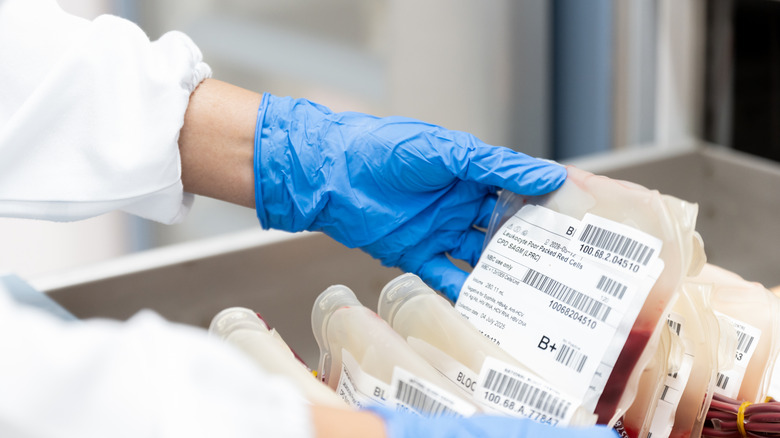
No matter what blood type is being transfused, there's always a risk of an infection. Although serious blood infections from blood transfusions in developed countries like the United States are relatively rare, there's always a small risk, and these infections can be life-threatening. Blood infections can be bacterial, viral, or caused by other small microorganisms.
Approximately 1 in 2,500 platelet units are contaminated with bacteria, as noted by the CDC. The risk is about 10 times lower for transfusions involving red blood cells. Viral infections that can be passed through blood transfusions include HIV, hepatitis B, and hepatitis C. Potential parasitic infections include Chagas disease and malaria.
Even though transfusions of any blood type can lead to infections if the sample is contaminated, researchers have started to notice that there might be some difference between blood types. For example, some blood types may be associated with a higher risk of heart attacks. Certain types of infection also seem to be more common in certain blood types.