


Daniella Lauren
Sciencing Editorial Policies
The unique content on Sciencing is a result of skilled collaboration between writers and editors with broad journalistic, academic, and practical expertise across the wide variety of scientific fields we cover.
In pursuit of our mission to provide accurate and ethical coverage, the Sciencing editorial team consistently fact-checks and reviews site content to provide readers with an informative, entertaining, and engaging experience. Click here for more information on our editorial process.
Stories By Daniella Lauren
-
-

Background Information For A Volcano Science Project
Understanding how volcanoes work will improve your overall comprehension of your science project. To create the best project possible it is important to know about the characteristics of volcanoes, where volcanoes are most likely to form and what makes them erupt.
Read More -

Science Fair Project On Clouds
Since nearly everyone loves gazing in the sky to look at the clouds, students can stimulate their natural curiosity by conducting science projects about clouds. Cloud science projects will give students a better understanding of what clouds are and how they form.
Read More -
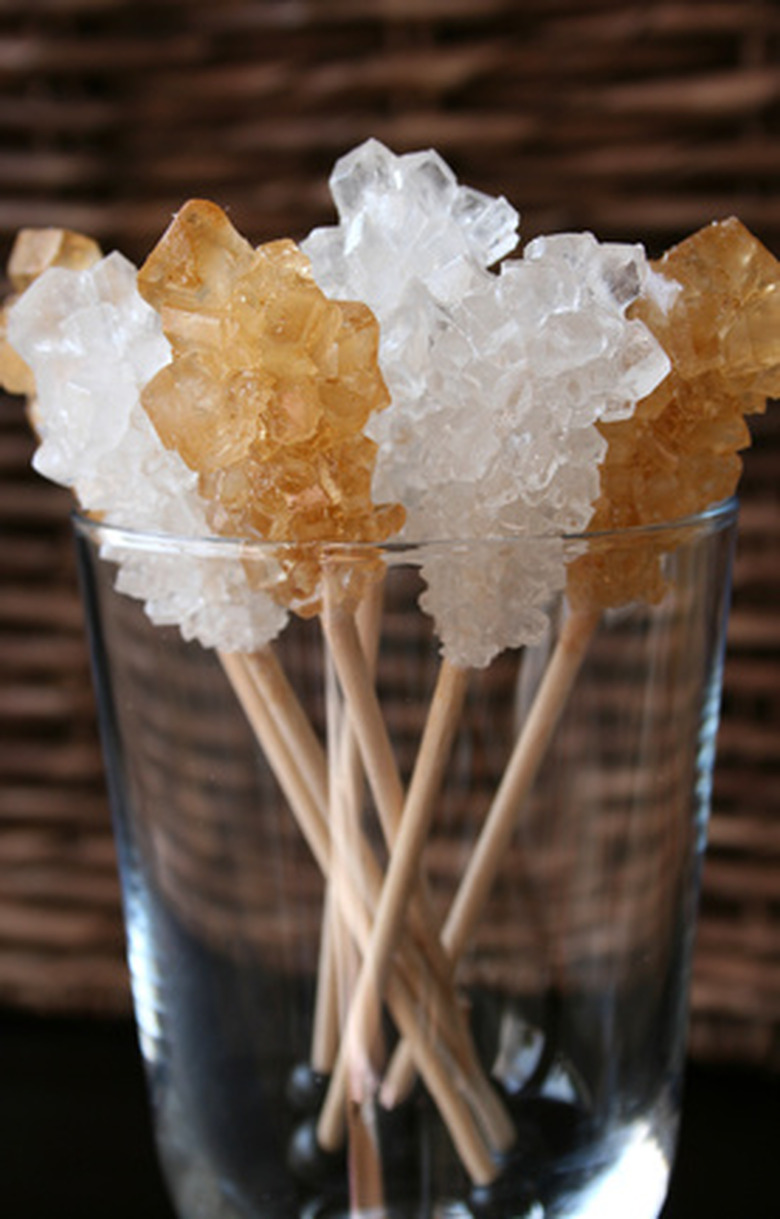
Rock Candy Science Project
Rock candy is a delicious treat which can teach students about the science principle of how crystals form. Rock candy projects take about 10 days from start to finish, and can be done either in class or as a take-home assignment where students observe the project at home. Conclude the project by allowing students to show-off their individual projects and enjoy their hard work.
Read More -
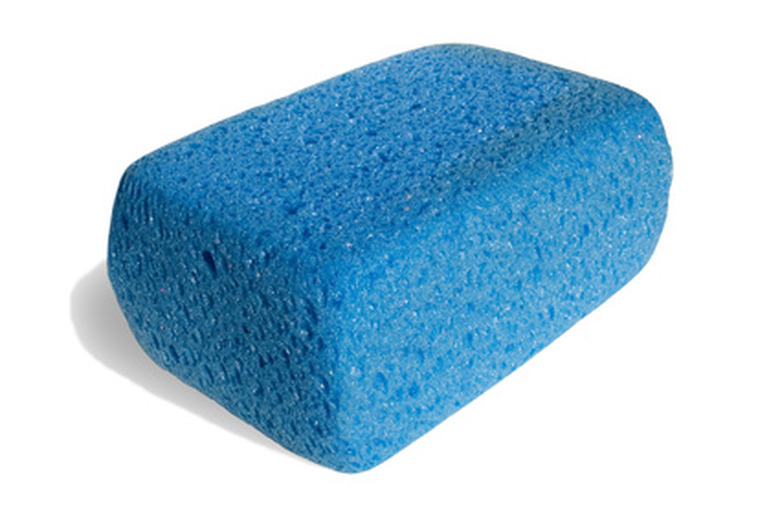
Science And Sponge Activities
Kitchen sponges are a common household item used for many things. Although students may be familiar with what a sponge is, they might not understand how a sponge works. Conduct interesting activities that allow students to learn more about sponges and other important science concepts.
Read More -

How To Solve Math Problems In A 3X3 Grid
Math teachers assign math worksheets with grids, which look like large lined squares with a column of numbers going down and a row of numbers going across. Where the column and row intersect, you might see a mathematical process, such as a "x" for multiplication or a "+" for addition, which lets the student know how he should process the numbers in the column by the numbers in the numbers in the row. A 3 x 3 grid will actually have four columns and four rows, because the shaded area with the printed numbers (numbers you will multiply or add together) does not necessarily count as part of the grid.
Read More -

How To Make A Greenhouse For A Science Project
This simple science experiment, adapted from the book "Teaching the Fun of Science" can demonstrate how a greenhouse works and how the atmosphere of the earth (as demonstrated by the plastic wrap) insulates and traps heated air. Students will learn how greenhouses retain heat, and why botanists and other plant growers use greenhouses in colder climates.
Read More -
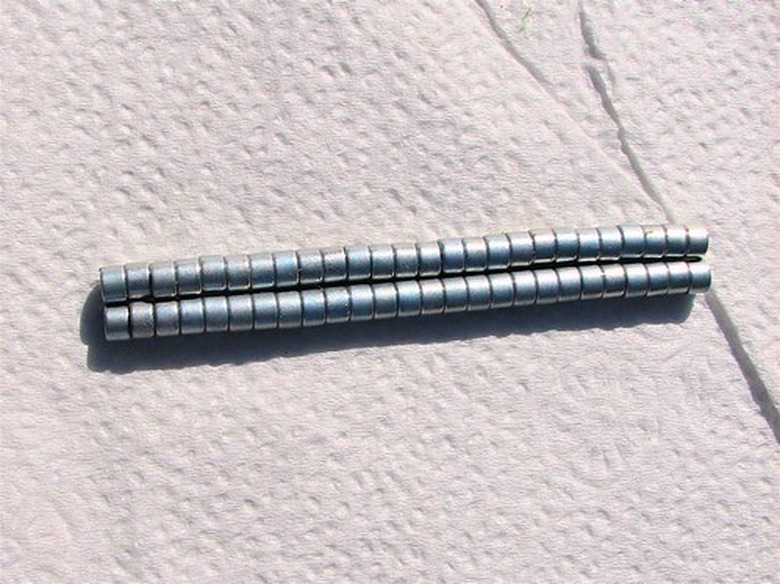
Uses For Permanent Magnets
Magnets are object that contain a level of magnetism. Magnetism refers to the ability to attract or repel other magnets. Something is considered magnetic when the electrons of the object align themselves so that they all point in the same direction.
Read More -
What Are Bar Magnets Used For?
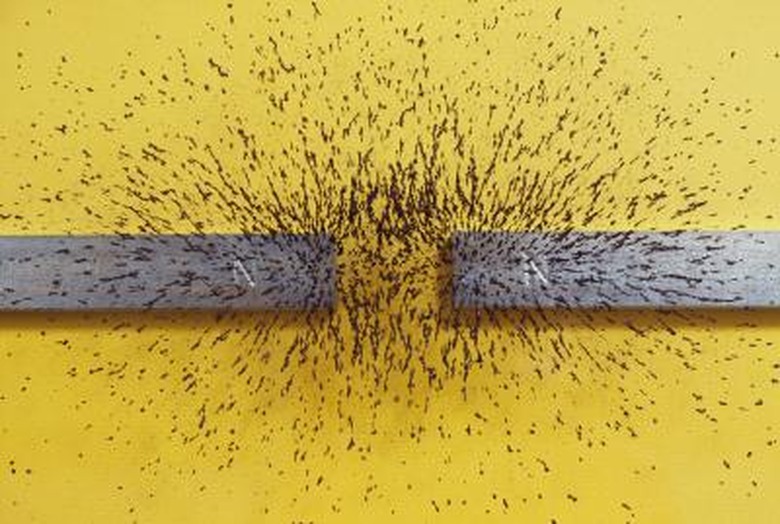
While magnets can came in many forms, bar magnets are always rectangular. They are dark gray or black and are commonly composed of alnico, a combination of aluminum, nickel and cobalt. Bar magnets are characterized by having a north and south pole on opposite ends of the bar.
Read More -

How To Make Periscopes With Toilet Paper Rolls
Periscopes use reflected light to help people look around corners or obstacles while staying concealed. Underwater submarines need periscopes to see ships on the water surface and law enforcement personnel uses periscopes to stay undetected by criminals. Make a simple periscope craft for your children or classroom with just a few household supplies.
Read More -

Types Of Temporary Magnets
An object is considered to be magnetic, or magnetically charged when the electron particles of an object all point in the same direction. Magnets have two sides or poles, the north pole is positively charged and the south pole is negatively charged. Magnets are attracted to each other when opposite poles are near each other; magnets are repelled when similar poles are near each other.
Read More


