


Rena Sherwood
Sciencing Editorial Policies
The unique content on Sciencing is a result of skilled collaboration between writers and editors with broad journalistic, academic, and practical expertise across the wide variety of scientific fields we cover.
In pursuit of our mission to provide accurate and ethical coverage, the Sciencing editorial team consistently fact-checks and reviews site content to provide readers with an informative, entertaining, and engaging experience. Click here for more information on our editorial process.
Stories By Rena Sherwood
-
-
How Does The Venus Flytrap Reproduce?
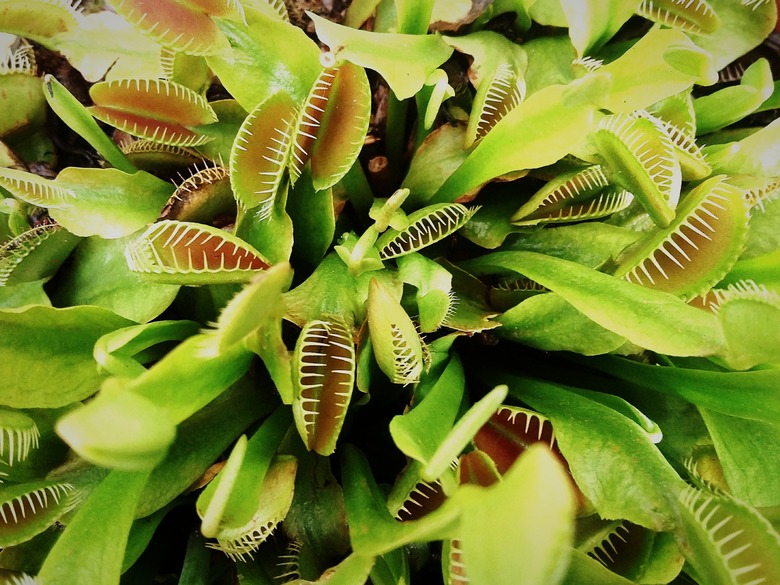
The Venus flytrap (Dionaea muscipula) not only consumes insects for food, it also needs insects for pollination to make a new generation. In order to attract the insects, the mature Venus flytrap will grow a very long stalk so that the insects won't get accidentally eaten. On top of these stalks grow white flowers that secrete sweet-smelling chemicals, pollen and seeds that are 1 mm long. The Venus flytrap has to be several years old before it has enough energy to devote to making flowers and seeds.
Read More -
Zebra Breeding Facts
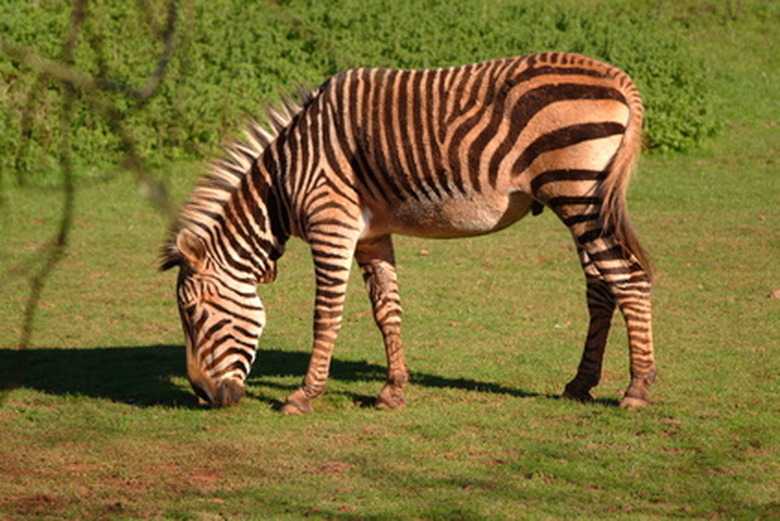
Zebras are only found in the wild in Africa. They used to roam the entire continent, but now are found only in the south. There are three main species of zebras, which all have sub-species and can all interbreed: They are the plains zebra (Equus quagga), Grevy's zebra (Equus grevyi) and mountain zebra (Equus zebra.) Zebra breeding behavior is very much like feral horses, feral donkeys and wild asses.
Read More -
Facts About The Walking Stick Bug
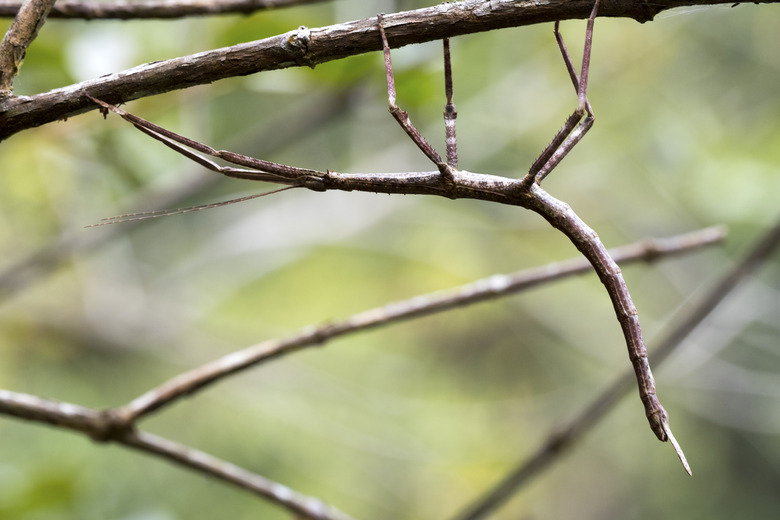
Walking stick bugs (from the Phasmida family) are very aptly named, because they look like sticks with legs and antennae, but even those will look as if they are twigs attached to a small branch. According to National Geographic, there are more than 3,000 species of walking stick bugs all over the word. Depending on what the trees are like in their native habitat, they will look like a twig or branch from that tree.
Read More -

The Difference Between Human Fleas & Dog Fleas
Both people and dogs can be bothered by many different species of fleas. The most common flea species to bother dogs and humans though is the cat flea (Ctenocephalides felis), according to "Dog Owner's Home Veterinary Handbook" and the Illinois Department of Health. Although the cat flea, human flea (Pulex irritans) and the dog flea (Ctenocephalides canis) look very much alike, they do possess crucial differences.
Read More -
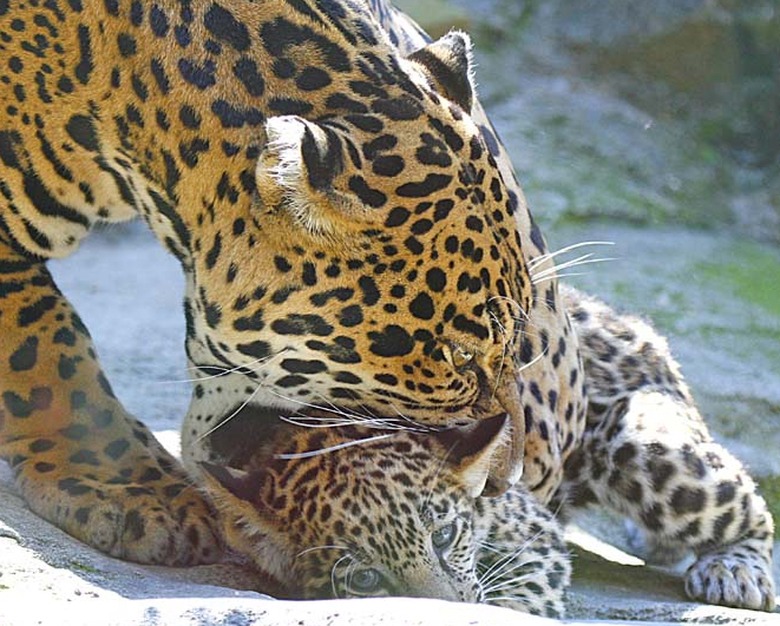
How Do Jaguars Care For Their Babies?
Jaguars (Panthera onca) are born blind, deaf and helpless. Usually, jaguars have only one cub at a time, but National Geographic reports jaguars can have as many as four. Only the mother takes care of the cub--any other jaguar is a threat and might kill and eat it. Jaguar mothers find a den--an underground burrow, under a thick patch of plants or a cleft in the rocks--to give birth. The mother vigorously defends her cubs. According to "Jaguars," she nurses them until they are between 3 and 5 months old, but she will regurgitate meat for them when they are about 2 weeks old so they can transition to solid food.
Read More -

What Is Human Hair Made Of?
Even though hair comes in many colors and textures, it is all made of the same materials. The main ingredient of human hair is a protein called keratin, which is also found in human skin, teeth, fingernails and toenails. Hair also includes oils for texture and a chemical called melanin.
Read More -
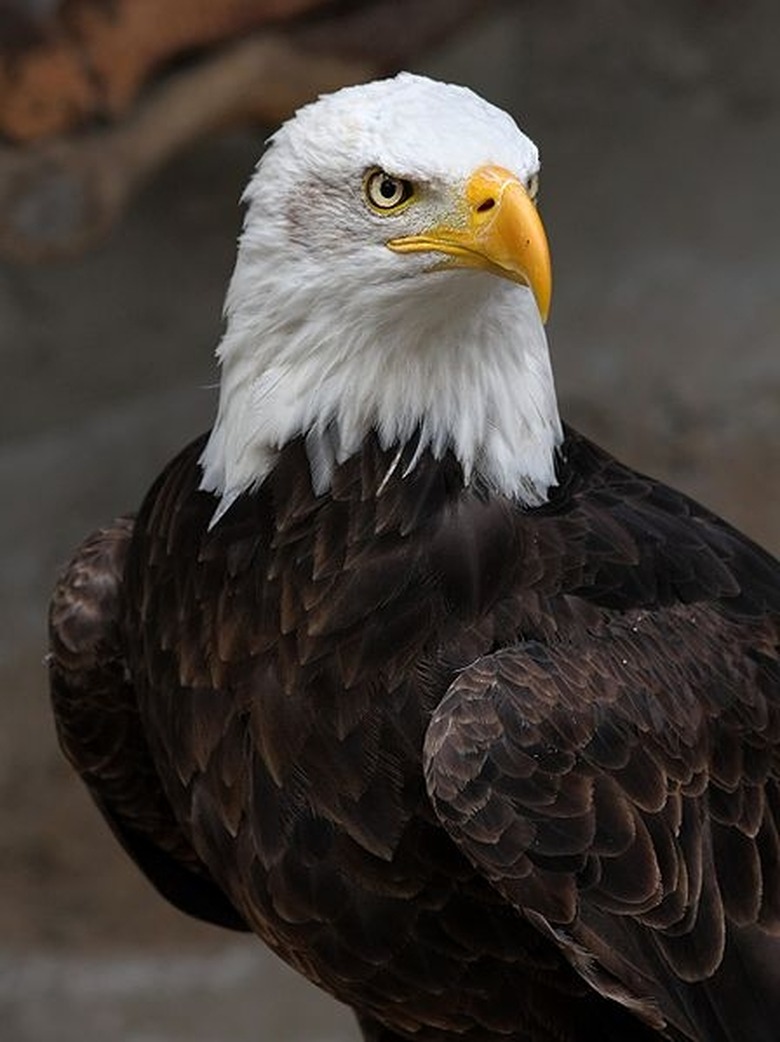
How Long Do American Bald Eagles Live?
The bald eagle (Haliaeetus leucocephalus) lives an average of 20 to 30 years. According to the Philadelphia Zoo, the oldest bald eagle known lived to be 47 years old. That was a captive bald eagle. However, in the wild, bald eagles do not often live out their full lifespan as they face many threats.
Read More


