

Wrapping Cucumbers In Plastic Has An Unexpected Effect On The Environment
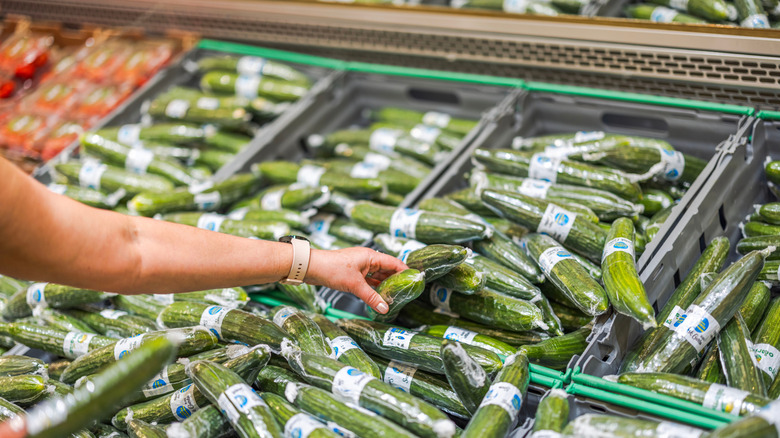
In supermarkets across the world, it's not uncommon to find cucumbers individually wrapped in plastic. This can be frustrating, since surely our species enjoyed cucumbers well before disposable plastic took over the world. And with plastic waste filling our oceans, landfills, and even making its way into the microscopic fibers of our bodies, it's reasonable to assume that the environment would be better off if our supermarket cucumbers were just left naked.
Surprisingly, from one perspective, there's a net-positive environmental benefit to wrapping cucumbers in plastic — at least in places where the fruit doesn't grow year-round. A 2022 Swiss study published in the journal Frontiers in Sustainable Food Systems investigated the losses within the cucumber supply chain and discovered that plastic wrap reduces the loss of cucumbers by nearly 5%. That 5% of cucumbers saved from spoilage in their journey from farm to table is significant compared to the environmental cost of the thin plastic wrapping used.
In the words of the researchers, "The environmental benefit of food waste reduction due to plastic wrapping the cucumbers was found to be 4.9 times higher than the negative environmental impact due to the packaging itself." Put differently, losing a single unwrapped cucumber to rot, dehydration, or damage has the same environmental impact as putting 93 plastic wraps into the trash. Thus, the Swiss researchers conclude that the pros of wrapping plastic outweigh the cons, especially when considering the Spain-to-Switzerland supply chain. However, "environmental impact" is a slippery term, and it all depends on how you define it.
Plastic wrappings have a different 'environmental impact' in different countries
The environmental impact of wrapping cucumbers in plastic isn't exactly cut and dry. Even calculating the carbon footprint of a plastic water bottle is a complicated endeavor. The researchers in the 2022 Swiss study compared the global warming potential (GWP) of shrink-wrapping cucumbers versus leaving them naked, and called this the "environmental impact." But global warming potential (i.e. carbon emissions) and environmental impact aren't the same thing.
In defining environmental impact, the researchers admit to omitting, "the impact of eco-toxicity due to microplastics, as their fate and impacts are still not fully understood." Such an omission is indicative of the place where the study occurred. Switzerland is considered a "role model" for plastic recycling, using extensive recycling technologies to separate plastics from non-plastic waste. However, in countries where plastic waste enters landfills and waterways, the global-warming potential of plastic shrink-wrap is far from negligible.
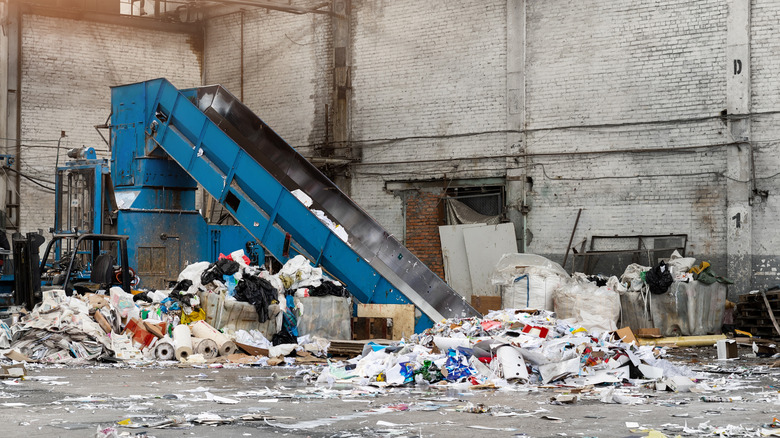
Plastic shrink-wrap is made from fossil fuels like petroleum. When shrink-wrap enters landfills or natural environments, like the ocean, it slowly degrades over hundreds of years. Through this breakdown process, shrink-wrap releases microplastics into soils and carbon gases into the atmosphere. Thus, while the 2022 study may be correct in assessing the environmental impact of wrapping cucumbers in plastic for the specific supply chain between Spain and Switzerland, the environmental costs of the plastic waste in other countries may be much more severe.
Three reasons cucumbers get wrapped in plastic
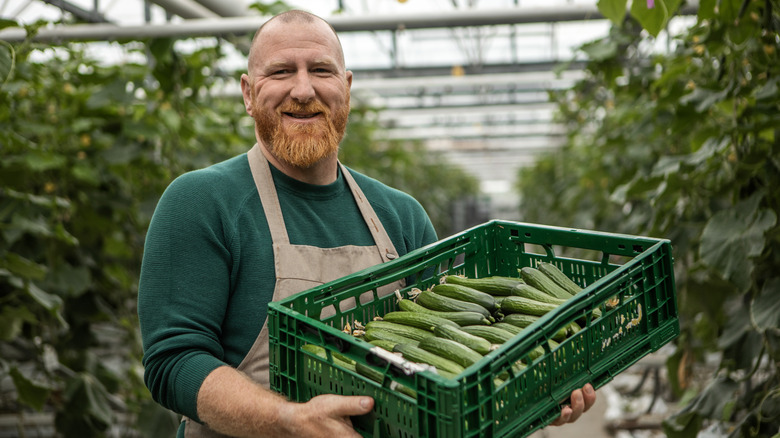
Wrapping cucumbers in plastic accomplishes three main goals. The first and most important is to keep the green fruit from losing moisture during delivery and storage. At 96% water content, cucumbers provide excellent hydration when they're fresh, placing them on the list of hydrating foods and drinks alongside milk and water. If they dry out during transportation, however, many suppliers and supermarkets will simply dispose of them.
Cucumbers are also tossed when they're bruised or scratched, since customers often refrain from buying "ugly" fruits. In fact, over $15 billion of edible produce is trashed every year, much of which is deemed unsellable simply due to aesthetic imperfections. For instance, cracks in tomatoes are actually signs of ripening, but customers usually choose tomatoes without blemishes.
Plastic wrapping also protects cucumbers from decay, as the air-tight shrink wrap prevents oxygen from penetrating their skin and accelerating the growth of microorganisms. Thus, when you consider the environmental costs of growing, harvesting, transporting, and storing cucumbers, the benefits of plastic protection add up. Agriculture is a huge contributor to climate change, partly due to the carbon emissions involved in getting produce from countries with long growing seasons (like Spain) to countries with short ones (like Switzerland). Clearly, the cost-benefit analysis of wrapping cucumbers depends on the country's recycling practices, since most of the world just lets shrink-wraps mix into landfills and local ecosystems. If you really want to cut down on your plastic use, consider buying from local, sustainable farms — even if that means doing without cucumbers in the wintertime.