

Drought-Resistant Flowers That Can Survive The Driest Conditions
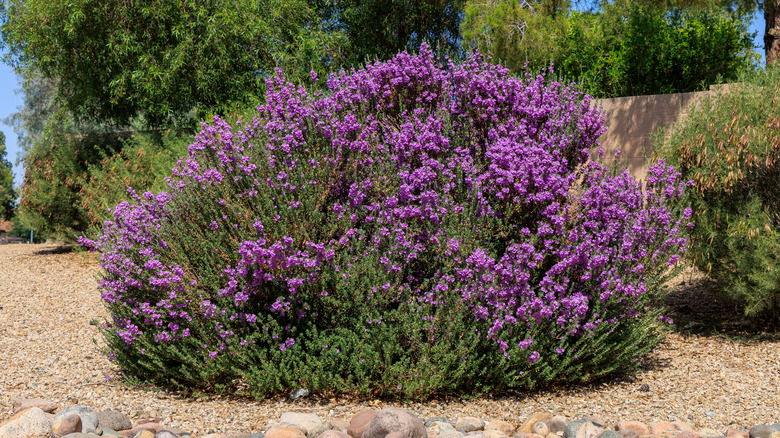
We're not the only ones feeling the impacts of global warming – our gardens are, too. As temperatures get higher, we'll begin to test the drought resistance of our ornamental plants whether we like it or not. Sadly, some plants may be more affected by municipal restrictions on water usage outdoors, ranging from wilting or not flowering to just totally dying off. But not all of them will look like sad sacks; some of them might even thrive.
Whether you're planning an outdoor overhaul or just want something a little more low maintenance than what you've got now, here are 12 of the most drought-resistant flowering plants you can find. Don't be fooled by their pretty looks; these plants are able to withstand some of the harshest, driest conditions where humans can live. We'll talk about the science behind makes them such hardy plants, plus throw in a few tips for keeping them happy and healthy, too.
Cape jasmine (Gardenia jasminoides 'Radicans')
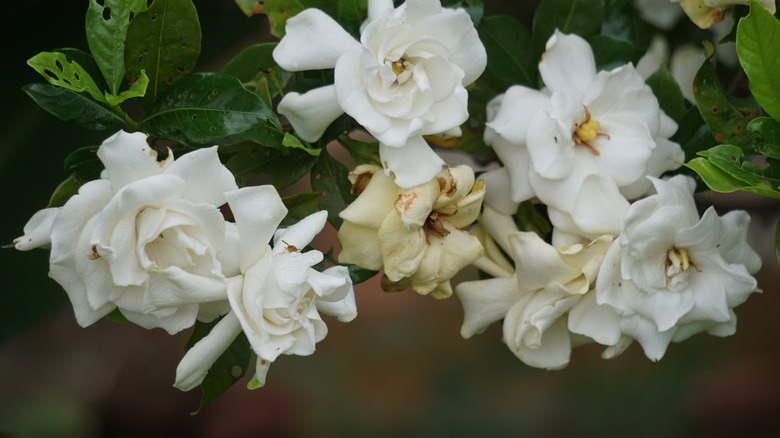
The Cape jasmine (Gardenia jasminoides 'Radicans') hails from Southeast Asia where temperatures are hot, hot, hot. But these paper-white flowers learned how to cope by staying low to the ground and waiting until the cooler temperatures of autumn to bear their fruits. This plant isn't a "true" jasmine since they're a member of the Gardenia family and not Jasminum, so expect this to be more shrubby than its distant cousin vines. So while you won't get that heady jasmine smell, you'll still be rewarded for planting these with wafts of that heavenly gardenia scent when it begins flowering in late spring.
Cape jasmine needs acidic soil that's a little chunky to thrive and won't do well in alkaline or clay-heavy soils with poor drainage. If you live somewhere with harsh winter frosts, you'll need to protect this plant from freezing winds, but that's all it really needs protecting from. G. jasminoides 'Radicans' is resistant to drought and deer. And if you haven't had enough of that signature gardenia smell, deadhead spent blooms because that will encourage it to produce even more flowers.
Fairy wings (Epimedium x perralchicum)
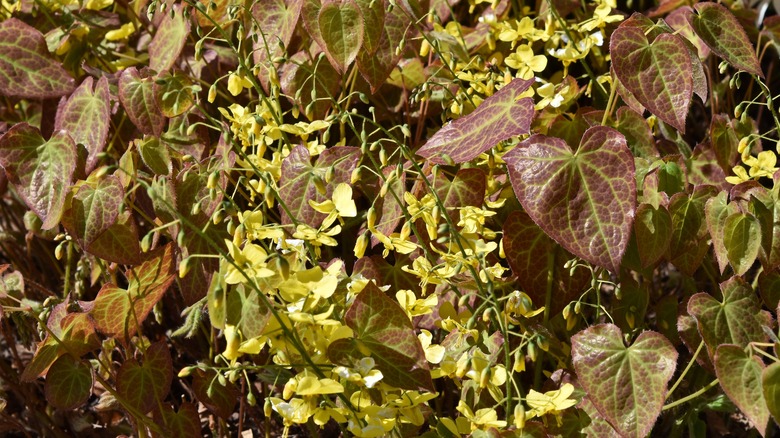
You may know Epimedium x perralchicum by a few names: Fairy wings, Barrenwort, Bishop's hat, the list goes on. What you might not know, though, is that this hybrid plant is one of the best flowering plants for shady spots that paradoxically stay dry and arid. Fairy wings stays low to the ground with shallow roots, so it can soak up any water it comes into contact with easily. Plus, since it's genetically crossed with plants from the Mediterranean and China, it's able to handle a variety of conditions, just as long as it stays out of the afternoon sun. And while its cheerful yellow flowers are a sight to behold in a spot that's usually barren, its foliage is also incredibly colorful, making it a showstopper throughout the growing season.
Plant E. perralchicum in rocky soil that's well-draining in a spot that has dappled shade, particularly during the time when the sun is at its highest. Its first year may require a little babying, but its drought tolerance will kick in once its had time to dig its roots in and settle. Fairy wings also makes a great weed-blocking ground cover thanks to its dense foliage, so it'll choke out those shade-loving weeds for you, too.
Sulphur flower (Erigonum umbellatum)
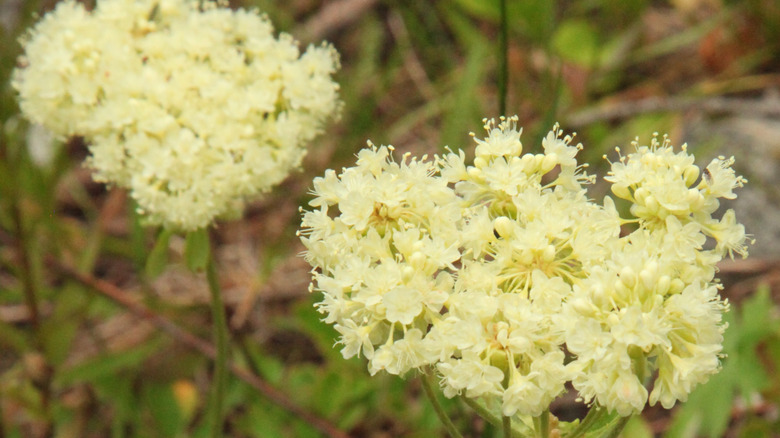
The Sulphur flower (Eriogonum umbellatum) may not sound pleasant, but this native plant's common actually name comes from its yellow flowers, not its scent. Sulphur flowers are absolute beasts when it comes to dry landscapes and are often recommended for extremely dry xeriscape gardens. In fact, they prefer the drought-heavy, desert-like conditions so much that giving them just a smidge too much water will result in an unhappy plant.
Sulphur flowers need dry, rocky soil and full sun to look its best. However, think carefully about where you plant it as it doesn't do well being transplanted. Since its preference for dry, desert-like conditions is so high, gardeners who live in regions with snow or wet winters should skip this one. Expect a happy plant to spread low and wide — up to 3 feet per plant — making it a fantastic and showy ground cover.
Moss phlox (Phlox subulata)
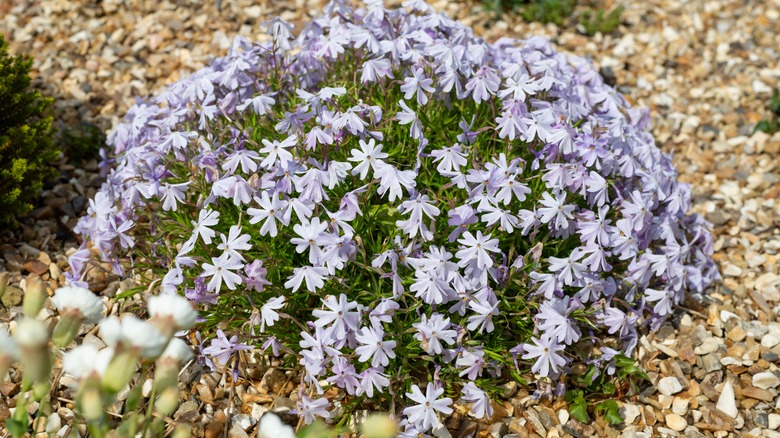
The Moss phlox (Phlox subulata) looks like a dainty, fragile flowering plant, but this phlox is a tank that can handle drought conditions without a care. Its native conditions – rocky, sandy regions of the northern U.S. and southern Canada — have trained it to thrive in dry soils while its low, creeping growth pattern keeps its moisture requirements low. Since it's a pollinator haven, moss phlox is especially handy to have in regions where bee populations can use a little helping hand.
P. subulata does prefer some moisture on occasion if it's in full sun, but can probably do without if it's protected from the hot, midday sun. Try to mix in some organic matter when you plant it, but make sure the soil stays well-draining. Once established, moss phlox can handle deer, rabbits, drought, and even the effects of air pollution, so give it a good head start its first planting season then watch it go.
Thyme-leaf speedwell (Veronica oltensis)
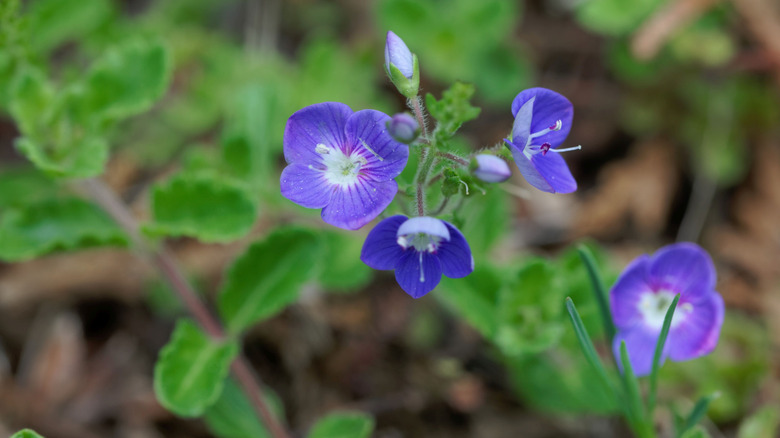
If you want a ground cover that looks beautiful year round, let's introduce you to the Thyme-leaf speedwell (Veronica oltensis). Thyme-leaf speedwells thrive in drought conditions because they stay low to the ground and take their time growing, allowing them to conserve their resources much easier than a faster- or taller-growing flower. While its pretty, lace-like foliage can keep your xeriscape or garden looking lush throughout the year, its true beauty shows up in late spring when hundreds of blue flowers erupt from its dense mat.
Since V. oltensis takes its time growing, it'll also be one of the few plants you'll probably never need to replace because it lives for years, especially if you plant it somewhere that has dappled sun and chunky soil that's slightly acidic. Since it takes so long to grow, you may want to plant a few of these or propagate your main plant by taking softwood cuttings in the fall or spring — this process is really quite easy.
Lilyturf (Liriope)
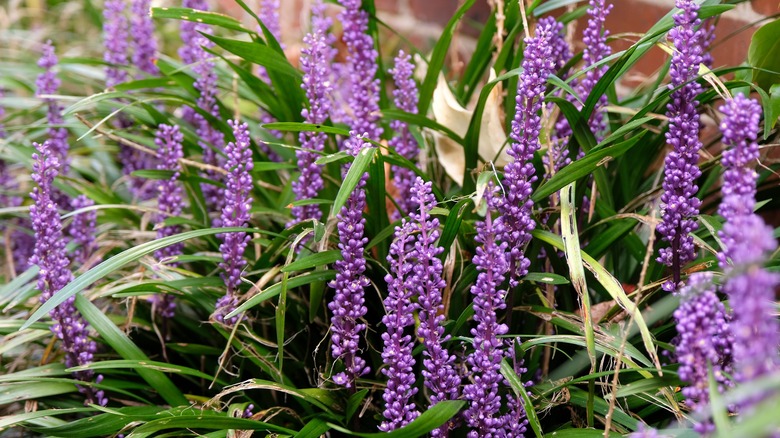
Lilyturf (Liriope) isn't one plant, but a genus of plants that grow in a clump, making them look like ornamental grasses. However, lilyturfs aren't picky about where they live and will put on a bright display of spiky blooms when happy. In drought conditions, it relies on its root system of fleshy tubers where water is stored until it can get another hit with the hose or sprinkler.
Like Thyme-leaf speedwell, lilyturfs are a commitment and can grow both aggressively and indefinitely if treated well. Plant your lilyturf somewhere that has well-draining, slightly acidic soil. It will grow in a variety of sun conditions, including full shade, but expect it to take longer to grow and bloom. Once newly-planted, you may want to lay down a thin layer of compost or mulch so that it can settle in and protect its roots from the sun. Re-upping the compost each year can help it, too, but isn't required.
Desert rose (Adenium)
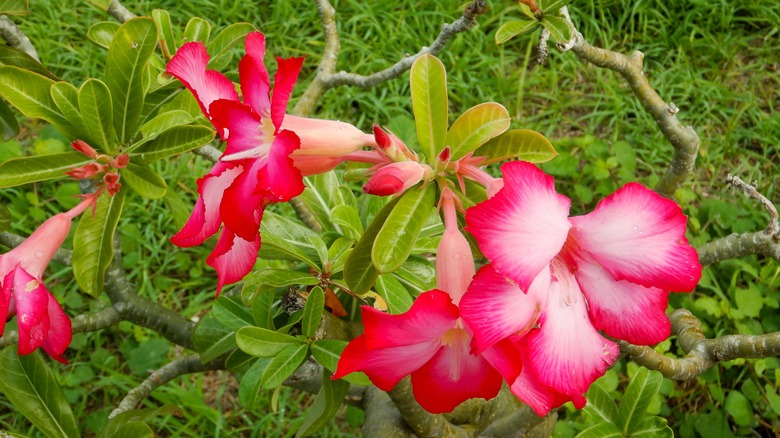
When you think of succulents, you may think of plants grown more for their colorful, fleshy leaves and not their flowers. While some succulents do bloom, none of them give you a show the way the desert rose (Adenium) does. Desert rose is a succulent perennial with the most beautiful hot pink flowers that can live happily in drought conditions thanks to its thick trunks that store water. Plus, they're one of the few taller-growing, drought-tolerant plants, reaching up to 15 feet in their native sub-Saharan habitats.
While adeniums handle drought conditions with no problem, they are very fussy about the cold, so you may need to keep yours in a container and bring it indoors when temperatures drop below 55 degrees Fahrenheit. Plant it somewhere with full sun and make sure its planting area has lots of rocks and sand to help drain excess moisture away from its roots. On top of that, use gloves when handling, as its sap is poisonous and can irritate the skin.
Mexican sunflower (Tithonia rotundifolia)
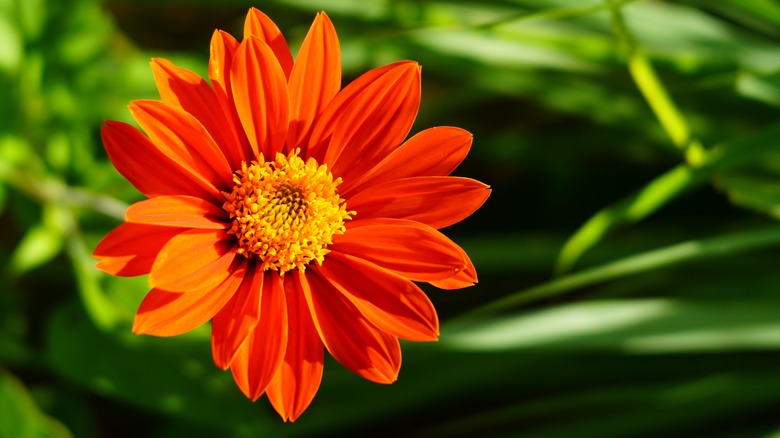
If you love the look of sunflowers but can't give them the moisture they need, consider the Mexican sunflower (Tithonia rotundifolia). Mexican sunflowers come from — you guessed it — Mexico so they're used to hot, arid conditions, and they can even handle rocky and poor soils with ease. You might even find that butterflies are surprisingly important here, as they're also a butterfly and bee magnet, making them great for the hot, harsh landscapes that are typically unfriendly to pollinators.
T. rotundifolias do exceptionally well in poor soil conditions, so your focus should be more on ensuring the soil is very well draining instead of organically rich. These plants need full sun to give you the full show and tend to be top-heavy so may need staking to keep them upright. If you keep them happy and supported, you may see them grow as high as 6 feet per stem. Their blooming period begins in the mid-summer but you can prolong it and get even more flowers if you deadhead spent blooms.
Fragrant sand verbena (Abronia fragrans)
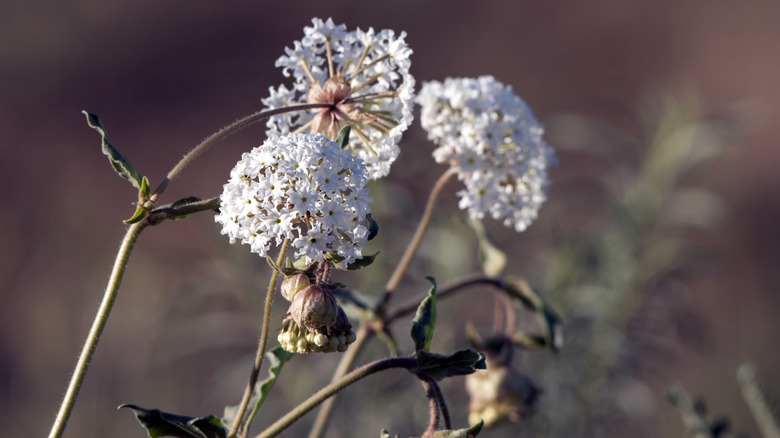
Fragrant sand verbena (Abronia fragrans) is native to the midwestern U.S. and does incredibly well in extreme drought conditions, even being a welcomed rest stop for butterflies. One clever trick it uses to protect itself from the harsh sun is to wait until the temperatures cool in the late afternoon to open its blooms. Then it blooms all night, making it an excellent flower for night owl gardeners.
A. fragrans does best in partial shade with dry, sandy soil. It can handle full sun conditions if that's all you've got; just try to protect it from the afternoon sun when its at its harshest. This is one of the few drought-friendly plants that grows both tall and wide, reaching heights of almost 4 feet in either direction. Once established, its vanilla-scented flowers will bloom spring through autumn. Be careful touching it as it sprawls, though, as its hairy stems tend to be sticky.
Plains zinnia (Zinnia grandiflora)
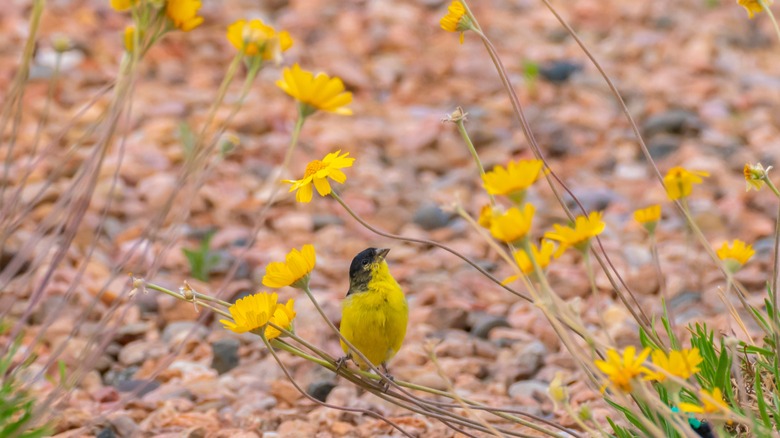
If you just want something easy, hardy, and pretty, then you'll love the Plains zinnia (Zinnia grandiflora). Native to the southwestern U.S., plains zinnias are used to dry, rocky conditions and can even thrive in conditions where others might wilt, like along sun-baked driveways or steep slopes that are hit with the full midday sun. Plus, butterflies and birds adore its bright yellow flowers.
Z. grandiflora can thrive in any rugged condition – dry clay, limestone-based sand, you name it. It needs as much full sun as possible, so plant it facing south and let it do its thing. Mature plants tend to stay on the smaller side, maxing out only around 8 inches tall. However, you may find it can be an aggressive spreader, popping out new rhizomes every time it gets a drink of water, but that may be a blessing in disguise since it thrives where other plants tend to fail.