

10 Signs Someone Is Using You, According To Psychology

Being in a relationship, romantic or otherwise, involves a lot of trust. And while all relationships can have moments of highs and lows, there can also be times where you're just not sure your partner's intentions are as pure as yours. But, how can you know if you're just feeling sensitive or if you're actually being used? Luckily, psychology is here to help.
We've found 10 definite signs that someone is taking advantage of your relationship and have looked up the psychology behind to explain what's going on and why. Remember that they're not each a guarantee that you're being used, exactly. However, if you're feeling like this article is checking a lot of boxes, it might be time to re-evaluate how equal each of you are treating this relationship. Plus, knowing what the signs are before starting a new friendship or romantic relationship will ensure you're able to protect yourself from getting hurt.
You feel like the relationship moved really fast

Sometimes, a whirlwind relationship feels invigorating and you wonder how you ever got by without this person in your life. Other times, though, it can feel like you're being rushed and overwhelmed, to the point that you're not sure what's going on and can't catch your breath. Unfortunately, this is sometimes a tactic manipulative people will use to their advantage. A 2023 study in Personal Relationships found that people who feel a loss of significance in their lives may use extreme methods to develop interpersonal relationships, like love bombing or speeding up a relationship's timeline, as a way to rebound from the hit and improve their self-esteem.
While it could be argued many of us seek relationships as a way to feel better about ourselves, you need to consider how a relationship, amorous or platonic, is making you feel. If you're feeling like things are moving way too fast for you to catch your breath, like your partner is insisting you two move in together after only knowing each other for a few months, or using "rushing" language like saying you're best friends, soulmates, or feel like their family, they could be pushing your relationship up for their own gain. Remember that there's nothing wrong with taking things slow as you get to know one another, and you're not required to move on anyone's timeline but your own.
They tend to make you feel guilty or ashamed

No one's perfect and we all eventually make a mistake in friendships and romantic relationships. But if your partner is consistently making you apologize for things they perceived you did wrong, or you're constantly feeling like you're walking on eggshells, it could be a sign that you're being emotionally manipulated for their gain. More specifically, a 2026 review published in Personality and Individual Differences notes that people who exhibit signs of Machiavellianism or the "Dark Triad" of behaviors will use emotional manipulation in relationships as a way to control others for their self-interest and personal gain.
If you're feeling like you're the one who always has to apologize for something, even if it wasn't your fault, that could be a sign you're being manipulated. Remember that relationships involve compromise on both sides, so if it feels like the scales are constantly being tipped in their favor instead of yours, to the point that you're worried how every decision you make will affect their mood, that's a red flag that should make you think twice. Feeling guilty or ashamed for things outside of the relationship, like the way you dress or the other friends you keep, may also be a sign you need to pay attention to.
They expect you to prioritize their needs over yours

If you're always doing the things that your partner likes, watching the shows they love, eating their favorite meals, and never getting to enjoy your versions of those, then it could be a sign you're being manipulated. This is known as a power imbalance in relationships and is a tactic users have to maintain control of a relationship and keep their comfort levels on an even keel. If they feel they can manipulate you enough into giving up on the things you enjoy, then you'll become more dependent on them, increasing their level of decision making, social, and emotional power. Sadly, for romantic relationships, studies show is often a pre-cursor to the relationship becoming violent. A 2019 study published in Frontiers in Psychology followed 254 engaged couples to see whether either of the partners noticed signs of relationship power imbalance (RPI) before the wedding. The researchers found that the RPIs showed correlation to known predictors of intimate partner violence (IPV) but that recognizing RPI before marriage could help rebalance the scales and reduce the likelihood of a relationship turning violent.
Of course, power imbalances can happen in any platonic relationship, too, so recognizing the signs can help you decide whether or not to keep this person in your life before things get too deep. Pay attention to how they react when you want to do something you enjoy; do they pout until they get their way, or are they willing to go for it because it means a lot to you? Can you point to the times they've compromised for you, or are they too infrequent to count? The more you feel like a follower instead of an active participant, the lower the chance are that you're in a happy relationship and are instead dealing with a power imbalance and a user.
They seem to keep score on things that don't matter
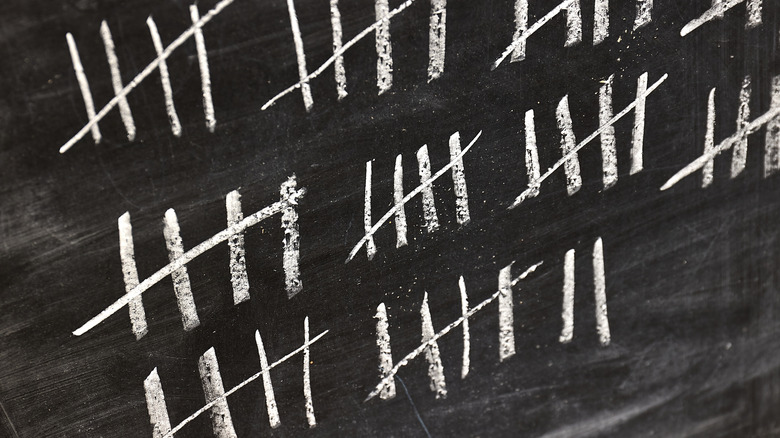
Everyone gets into arguments with a partner or friend, but a healthy relationship is able to move past it and start fresh. Users, though, tend to keep score on your transgressions or the things they've done for you as a way to justify their bad behavior. "Well, I did this bad thing because you did something three years ago so now we're equal," or "I've let you hang out without me three times this year, so now you're done" are both examples of ways they'll emotionally manipulate you into doing what they want or forgiving them for their misdeeds. It also allows them to position themselves as the victim and you as the offender.
If you feel like your relationship has a tit-for-tat dynamic, where a partner will intentionally try to hurt or guilt you because you've done something that hurt them, that's a big red flag. Pay attention in the beginning to how often their stories involve them being a victim – research shows that people with a history of victimization may tend to utilize score keeping, as well as tend to apologize less because it requires acknowledging their role in the problem. You may end up perpetually feeling like the bad guy who can do nothing right, when nothing can be further from the truth and you're just being used as a way to make them feel better and escape blame.
You know about them, but they don't know anything about you

Quick: What is your friend or partner's favorite color? If you know this instantly but honestly couldn't say whether or not they know that about you, it could be a sign you're being used. A 2025 study in Interdisciplinary Humanities found that people in relationships that were considered "high satisfaction" showed willingness to share things with their partner, while those in "low satisfaction" relationships tended to keep more secrets. If you feel that you're more of the listener in the relationship than a talker, you could be their emotional support crutch who stimulates their brain instead of an equal partner or friend with their own feelings and needs to consider.
How often do you feel like you try to share a story or fact and have it turned into something about them? Do you think they know things about you, or do you feel like you're constantly reminding them of things like your food allergies, personal preferences, colors or styles of clothes that make you uncomfortable, or something else? If so, you might be dealing with someone who either has memory problems or just doesn't feel like it's important to listen while you talk.
You only hear from them when they need your help
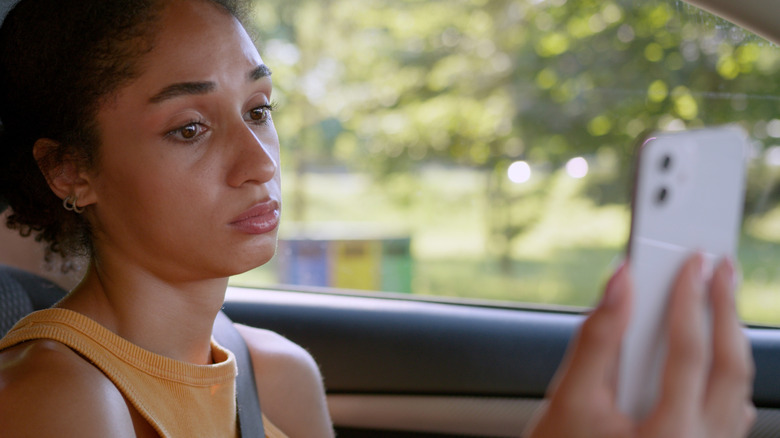
Sometimes, the signs that you're being used involve context and nuance; this is not one of those signs. If you find that a friend or partner never answer your calls, texts, or emails, yet expects you to jump the instant you get one of theirs, you're probably being used. It could be for financial support, but emotional support is also just as likely and the relationship can be from any angle: friend, romantic partner, family member, co-worker. If there's a way to create a power imbalance in a relationship, the user is going to use it.
Interestingly, this power imbalance could stem from differences in social classes. A 2017 review in Current Opinion in Psychology found that those in lower social classes tended to be more sensitive to others' well-beings and displayed more signs of prosocial behavior while those in higher social classes skewed more toward behavior that benefitted them only. However, that doesn't mean your poor friend can't try to use you to their benefit or that your rich aunt is calling because she wants something. Again, pay attention to the balance in the overall relationship. If there's a somewhat equal give-and-take, then it's probably more of a healthy relationship than not. But if you're constantly put upon for their gain, that's a red flag and a telltale sign of a narcissist.
You pay for everything

Treating someone to a night out is a common thing and not really a sign of a power imbalance. But if you're footing the bill more often than not, it could be that you're being used, even if they're better off financially than you. In fact, a 2010 review looked at four studies and noticed that those in lower socioeconomic classes tended to be more generous, charitable, helpful, and trusting than those in higher classes. Still, don't expect a friend with a higher paying job to automatically expect to cover their half of the bill; users can come from any background regardless of their account balance.
What is the expectation when you two go out? Do they tend to hit the bathroom when the bill comes, play on their phone and ignore the check drop, or "forget" their wallet? We all make mistakes once in a while, but if there's a consistent pattern of forgetfulness or "accidentally missing" your Venmo request, you might need to cut back on the outings with them. It can be hard to have talks about money, but don't let their temporary embarrassment in an awkward conversation put you into debt.
You always feel pressured to help them

Sometimes, it can just feel hard to say no to someone you love. But if you're always feeling leaned upon to help someone out "one more time," then you could be dealing with a user. Help can come in many forms — loans, a place to crash, an uncomfortable wingman, picking up their slack on a project — but the trick is to pinpoint how often you feel that you could rely on them, too. And if those two situations aren't lining up, then offering help could be harming you more than you think. A 2010 study in Current Gerontology and Geriatrics Research found that a relationship with imbalanced levels of reciprocity can lead to mental distress, feelings of loneliness, and unhealthy levels of dependency.
So, as the saying goes, don't light yourself on fire to keep others warm. Don't feel obligated to step in every time they need support and instead protect your financial, mental, and physical health. It's fine to help a friend in need, but it's not fine to be their only resource, especially when it comes to the detriment of your time and happiness.
You get a pain in your gut or feel uneasy when you see them
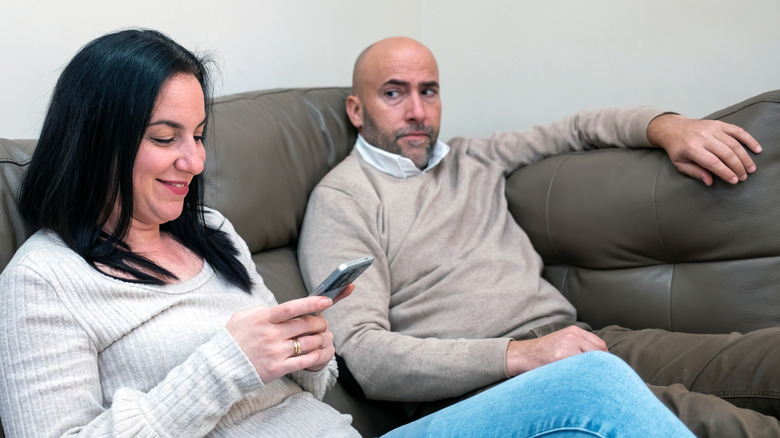
Sometimes, you just know something is off by the way your body feels — and psychology agrees. Numerous studies have shown the connection between the gut microbiome and the brain, showing that it can contribute to your memory, mood, ability to fight off disease, manage stress, and regulate sleep. Even if your brain can't yet pinpoint what's off about your relationship, your gut bacteria can recognize the signs of that fake smile a mile away, so don't dismiss your instincts just yet.
Scientists believe that funny feeling or pain in your gut could be from your nervous system picking up subtle clues that something is wrong with a situation and you may need to flee. Think about the person you suspect is using you and pay attention to the way your body responds. Do you start to feel queasy or tense? Does your blood pressure raise while your sweat glands go into overdrive? These could all be clues that you're dealing with stress, and that it's associated with your friend, partner, coworker, or family member. Instead of ignoring that stress — one of the habits which can cause an early death, by the way — take some time to figure out why that association is happening, though you may uncover a harsh truth about your relationship.
They never seem to follow through

Things happen and sometimes we're stuck cancelling plans without much notice. But if you're constantly being stood up or left hanging due to broken promises, you could be dealing with a user. This goes back to a relationship's power balance and the levels of responsiveness from each partner. In a healthy relationship, the research shows that everyone involved promotes feelings of responsiveness, like active listening, showing gratitude, looking at an issue from the other's perspective, and validating the other's feelings or emotions. If you're not getting that from this other person, it could be that your relationship is out of balance and that you're being taken advantage of.
Now, there are some personality disorders that can make people act impulsively or forget their promises, like ADHD or bipolar disorder. There are also psychiatric disorders that may inadvertently cause someone to flake on you because of anxiety, like OCD. However, remember that your psychological well-being is important, too, so it's up to you whether these are valid reasons for sitting alone at a coffeehouse when they were supposed to join you. If the person has none of these disorders, though, then it's more likely they just aren't considerate of your feelings, don't take into account your time, and are only keeping up on promises when they need something back from you.