

What Drinking Diet Soda Every Day Does To Your Body

It's time manufacturers stop calling their sugar-free drinks "diet." Many people switch to diet sodas when they want to curb their sugar intake. This makes sense, since sugar-packed sodas are now widely recognized as contributors to everything from obesity and diabetes to high blood pressure and heart disease. And the main culprit is the obscene amount of sugar that major brands pack into each can and bottle, which is why even one soda a day can increase the risk of diabetes. But unbeknownst to most, diet soda isn't actually better for your health, and it's definitely not part of a healthy "diet."
Typically, "diet soda" refers to any carbonated drink that has a sugary alternative. Think Diet Sprite, Diet Pepsi, Diet Fanta, etc. Over the past decade, brands have shifted to calling such drinks "zero sugar" to target a wider audience, thus birthing Coke Zero, Dr. Pepper Zero, and the like. But whatever the marketing strategy, these sugar-free drinks are generally looking at the same handful pros and cons of artificial sweeteners when compared to sugar, usually replacing the latter with the former. The most common artificial sweeteners include sucralose, aspartame, saccharin, acesulfame K, and cyclamate. Major brands often combine two or more of these artificial sweeteners in their diet soda recipes. For example, Coca‑Cola Zero Sugar uses sucralose and acesulfame K for its sweet taste.
Thus, it's difficult to make sweeping assertions about the health effects of diet soda, since each employs different ingredients. However, recent data suggests that diet sodas in general are associated with some pretty nasty side effects. Most importantly, it appears that the human body reacts to artificial sweeteners in much the same way as it does to sugar. That means increased cravings for high-calorie foods and increased insulin production, leading to a higher risk of developing Type 2 diabetes. Ultimately, diet sodas lead to "insulin confusion."
Artificial sweeteners confuse the brain
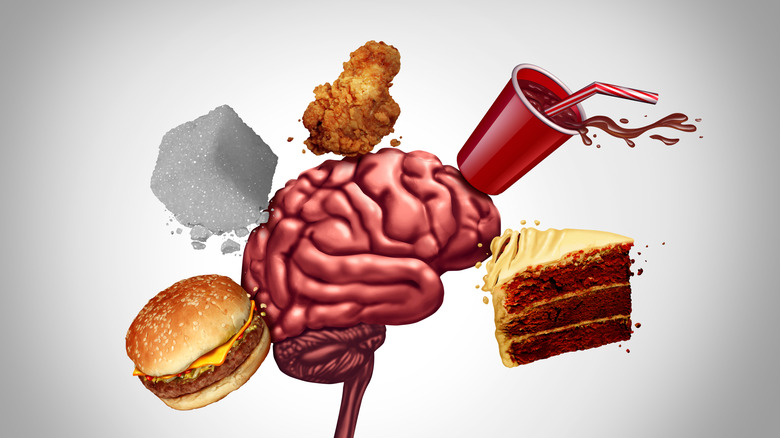
If you drink soda every day, swapping sugary soda for "diet" soda may have some benefits, depending on your goals. For one, the calorie restrictions are undeniable. For those seeking to lose weight, reducing calorie intake may actually make a difference. And for those intent on reducing their sugar intake across the board, a diet soda will of course accomplish that goal. But when it comes to blood sugar levels, insulin production, and cravings for sweet and fatty foods, the effects become murky.
Some studies have suggested that artificial sweeteners can alter the brain's chemistry to crave fatty, sugary foods. The brain's reward center can be altered, which could explain why obese and overweight people who replace regular soda with diet soda are more likely to consume even more calories. Indeed, the brain plays a major role in how we view foods — whether in the psychological effect of red and yellow restaurant signs, or in our cravings for fatty, sugary foods. In other words, artificial sweeteners don't necessarily directly cause weight gain, but they do increase the appetite.
It's still uncertain if artificial sweeteners directly lead to weight gain, but there's ample evidence that they do damage. A 2013 study published in Diabetes Care explored the effects of sucralose (found in Diet Mountain Dew and Gatorade Zero) to see how it affected glucose levels. The results were damning: The artificial sweetener raised both insulin and glucose levels across the board, effects associated with a heightened risk of diabetes. Another study from 2023 suggested a link between sucralose and DNA damage — the hallmark of heightened cancer risks for numerous organs. Thus, if you want to go the healthy route, diet soda is not the answer. Plain water and even milk are hydrating, zero-calorie alternatives to soda, and they don't come with the risk of obesity, diabetes, and cancer.