

Why You Can Never Scratch This One Itch, According To Science

Under most circumstances, scratching an itch can offer momentary relief. Typically, itches are experienced due to an external irritant, such as a scratchy sweater or a bug landing on the skin. This sense is received by specialized nerve cells, which then transmit the signal up the spinothalamic tract, a sensory pathway that carries information like pain, touch, and temperature to the thalamus. Acting as a relay station, the thalamus then communicates this information to the sensory cortex, which facilitates the perception of the itch. However, in some cases, nerve damage can lead to a persistent itch that can never be satisfied by scratching.
A neuropathic itch, perhaps counterintuitively, is not actually caused by damage to the skin itself but by damage to the nervous system. This results in an itching sensation that is disproportionate to, or entirely independent of, itch-inducing external stimuli. Essentially, the functional impairment of these sensory nerves causes them to superfluously signal the brain. This means, no matter how much you scratch, you will keep feeling that nagging itch.
How a neuropathic itch develops
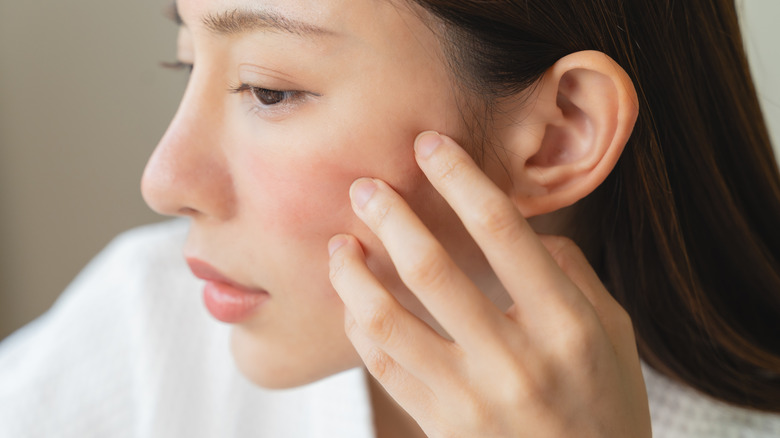
As previously mentioned, a neuropathic itch stems from a problem with the nerves, but how exactly does that damage occur? One of the most common causes of this condition is shingles. If you have ever had chickenpox, exposure to that same virus can bring about shingles, which is an often-painful rash that appears as a line of blisters. Shingles can lead to nerve damage, triggering that constant itch, and studies have found that this is more likely to occur when the shingles rash appears on the head or neck.
Diabetes is also associated with neuropathic itch. The high blood sugar levels common in diabetes can cause damage over time to nerves, most often resulting in numbness or itchiness in the feet. This is referred to as diabetic peripheral neuropathy, and the itch, in particular, has been shown to occur in up to 27.5% of diabetes patients.
Additional causes of neuropathic itch include severe burns, spinal cord lesions, and some liver diseases, like hepatitis C. A somewhat rare cause is damage to the brain itself, such as that resulting from stroke, prion disease, or multiple sclerosis. Overall, any injury or disease that can cause damage to the specific sensory pathways related to itching can result in this condition.
To itch or not to itch
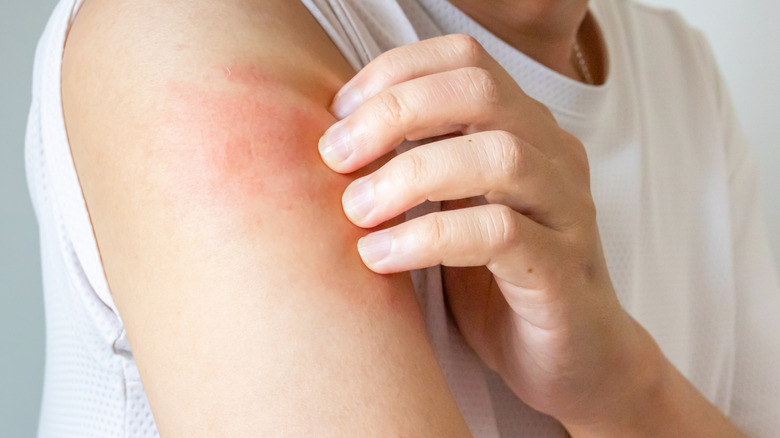
Interestingly, it was previously thought that itch was a part of the same sensory pathway as pain, the idea being that an itch is simply a mild state of pain. However, more recent research has indicated that itching stems from its own unique, specialized neurons. Although itch and pain can both serve to alert you about an external threat, they appear to promote two very different behaviors. Itch tends to attract motion towards itself, while pain is aversive.
Although neuropathic itch does not correspond with a particular stimulus, the constant sensation can cause distress and interrupt sleep. Moreover, excessive scratching can lead to skin lesions. Despite the fact that general over-the-counter pain relievers do not treat neuropathic itch, there is some evidence to support the efficacy of gabapentin and pregabalin, which are also used to treat neuropathic pain. These drugs are also commonly used to treat epilepsy and are analogs for gamma-aminobutyric acid, which is an inhibitory neurotransmitter that generally induces an overall calming effect. However, the first line of defense is topical treatment, ranging from cold presses to ointments. This means that although neuropathic itch is not currently curable, it is treatable.