

This Simple Mistake Could Be Skewing Your Blood Pressure Readings
High blood pressure, known as hypertension, can lead to many health issues, including heart attack and stroke. Because of the risks associated with hypertension, physicians frequently monitor blood pressure in patients. At nearly every appointment, a healthcare professional will put a blood pressure cuff around your arm and make a note of the measurements. But did you know that the way in which your blood pressure is taken could be skewing those numbers higher? A recent study from Johns-Hopkins has shown that the way your arm is positioned is important for an accurate reading, and having an unsupported arm could cause your blood pressure to register higher.
Accurate blood pressure monitoring is incredibly important. Hypertension is a leading cause of early death across the world. According to the World Health Organization, approximately 44% of people who have high blood pressure do not even know it. Hypertension means that blood is pushing against the heart and arterial walls at a greater force than is healthy. In adults and teens, this will read as a systolic pressure (the first number given when your blood pressure is taken, representing the pressure when your heart contracts) of 130 mmHg or more. Additionally, this could be determined by a diastolic blood pressure (the bottom number, representing the pressure between heartbeats) of 80 mmHg or greater.
The proper way to monitor blood pressure
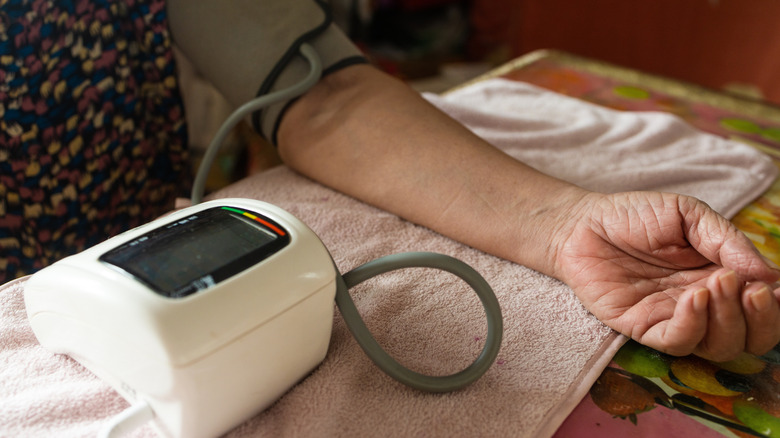
There are very specific standards for taking blood pressure, which are set by the American Heart Association. These instructions include, but are not limited to, making sure the patient has been seated and relaxed for at least five minutes, with both feet flat on the floor and back supported, and ensuring the patient's arm is resting at the level of the heart. However, these rules often go unfollowed. There are many possible reasons for this; for instance, low staffing would make it difficult to take the five minutes necessary for rest. Additionally, there might not be sufficient resources at all clinics, such as a desk upon which to place the patient's arm.
The study mentioned above demonstrated the striking effect that something as minimal as arm position can have on blood pressure. The authors found that when the arm was resting on the subject's lap, their systolic blood pressure was recorded at an error of 4 mmHg higher. Even more pronounced, when the arm was simply laid at the subject's side, the systolic blood pressure reading was higher by 7 mmHg. Moreover, the researchers found that these results were exacerbated in higher-risk patients, such as those who had a known history of hypertension. These inaccurate readings could lead to an incorrect diagnosis, emphasizing the importance of proper technique when measuring blood pressure.
Why arm position matters, according to science
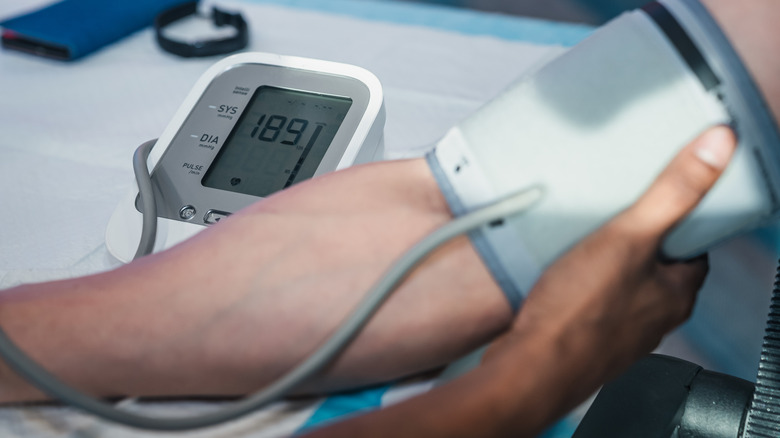
There are many biological reasons that could contribute to a higher blood pressure reading based on arm position. First, the increase in vertical distance from the heart and the blood pressure cuff while the arm dangles at your side could result in a greater amount of pressure used to compensate for the added force of gravity. Additionally, a lack of support could increase the likelihood of tensing muscles in the arm, and this is known to increase blood pressure.
Overall, there is rich evidence to stress the importance of following the guidelines for blood pressure testing. In addition to this posing an issue for incorrectly monitored blood pressure in a clinical setting, many people test their blood pressure at home. If seemingly minor discrepancies in measurement practices can so directly impact the results, it is important to make sure, not only physicians, but patients are properly informed on best practices. Improving education and resources is an important step in ensuring proper testing for hypertension.