

What Your Hair Color Secretly Reveals About Your Health
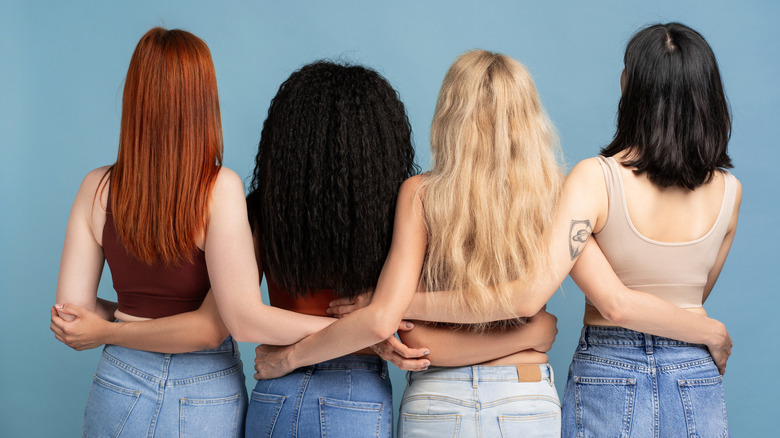
Hair color is often associated with psychological and personality traits, mostly based on stereotypical assumptions with no scientific basis. However, your natural hair color can actually give you clues about your physical health, including your chances of developing certain medical conditions.
While it may appear to be merely a cosmetic trait, hair color is strongly influenced by biology. Your hair color is determined by the amount and type of melanin it has, with dark hair being rich in eumelanin, and red hair in pheomelanin. Blonde hair is the result of less of both pigments compared to the other hair types.
The genetic differences between those with dark hair, blonde hair, and red hair mean that certain medical conditions are more likely depending on your natural color. From skin cancer to hair loss, and Parkinson's to prostate cancer, the pigmentation in your hair plays a greater role than just enhancing your physical appearance. Let's explore six things your hair color secretly reveals about your health.
Sensitivity to UV light and risk of skin cancer
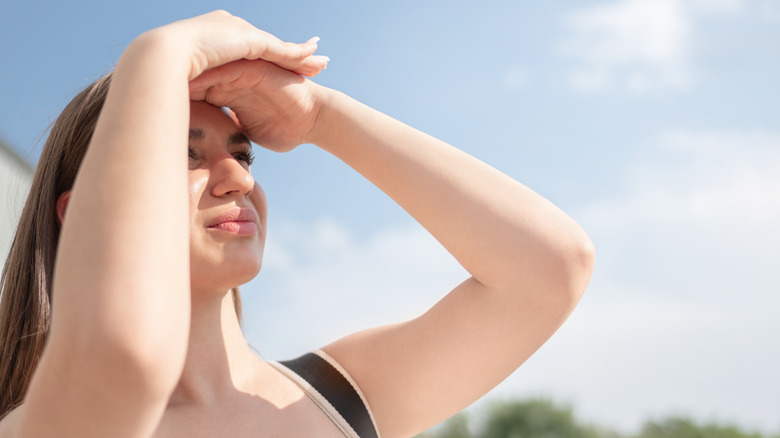
If you have fair-colored hair, such as blonde or red, you will be well aware of the need to take further precautions in the sun than your brunette counterparts. The biology behind this comes down to melanin content in the hair and skin, and unfortunately the risk goes beyond overheating in the sun.
As a rule, those with darker hair tend to have more of a certain type of melanin in their skin than those with fair or red hair. In particular, they have more eumelanin, which is the pigment thought to reduce the chances of both getting a sunburn and skin cancer.
The protective effect of eumelanin is two fold: as well as acting as a barrier to the potentially harmful UV light, it also absorbs the rays and prevents them damaging the skin. A 2024 study published in the journal Gene has confirmed that less eumelanin in the hair correlates with an increased risk of skin cancer, with those whose natural hair color is red or blonde having increased risks of both cutaneous melanoma and keratinocyte skin cancer compared to brown or black hair. Red hair showed the greatest increase, supporting the common knowledge that those with red hair and fair skin are more sensitive to the sun, while black hair represented the lowest risk. While other environmental factors mean the real-life risk is more complex, this study confirms that having fair hair means that slapping on sunscreen regularly is a sensible option.
Increased chance of Parkinson's disease

An association between natural hair color and neurological disease may not seem like an obvious link, but a 2010 study published in Annals of Neurology investigated whether hair pigmentation could affect the risk of developing Parkinson's disease. The study involved more than 130,000 participants who were monitored over two decades, answering questionnaires regularly on their lifestyle factors.
The possible link between Parkinson's and hair color is related to melanin. It was already known that there is a link between melanoma and an increased chance of developing Parkinson's, so the study aimed to identify whether natural hair color had a correlation with the disease. The results of the study showed that lighter hair colors, such as blonde and red hair, are associated with a higher risk of developing Parkinson's compared to brown or black hair. Those with red hair saw a two-fold increase in risk compared to participants with black hair.
One possible reason for this link could be the MC1R gene, which is genetically different in those with red hair. This influences how melanin is produced in the body, with red-haired individuals producing more pheomelanin, rather than the eumelanin produced in those with dark hair.
Neuromelanin is a chemical in the brain with a similar structure to melanin that is known to be involved in the progression of Parkinson's. While neuromelanin was not measured as part of the research, the results of the study do suggest that there may be a deeper genetic factor at play when it comes to hair pigmentation and the risk of developing the neurological condition.
Increased sensitivity to pain
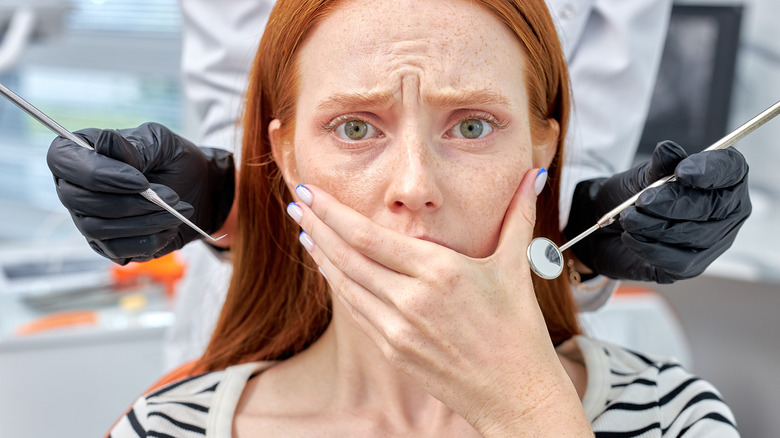
If you've noticed that your red-haired friends seem a little more grouchy at times than the blondes and brunettes, there may be a biological reason. As unlikely as it may seem, natural hair color has been linked to a differing sensitivity to pain, and redheads have got the rough end of the deal.
Pain is a complex process that has many contributing factors, but a study from 2009 published in the Journal of the American Dental Association showed that redheads had a greater fear of dental procedures due to a heightened anxiety over dental pain. Along with the section of the dark-haired cohort who also had the MC1R gene variation, those with red hair were shown to be twice as likely to evade dental treatment than those without the gene variant.
Another study from 2004 published in Anesthesiology showed that red-haired individuals required as much as 19% more anesthesia for surgery, suggesting that the MC1R gene variant found in all redheads is involved in pain perception in some way. Although it doesn't seem that the presence of the gene variant increases sensitivity to all pain, there does appear to be a difference in how pain is processed in those with the genetic variant.
Sign of oxidative stress
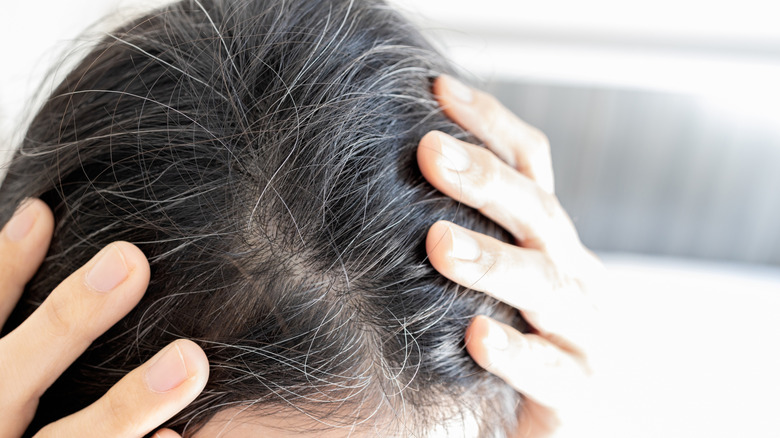
Finding your first gray hair is a moment most people dread, seeing it as the first step toward the journey of inevitable aging. Although it is a process that will eventually happen to everyone as they age, prematurely turning gray can be a sign that something is not right biologically.
Premature hair graying refers to hair turning gray at an age that is earlier than expected, and is measured at different ages according to race. In Caucasians, younger than 20 is considered premature for graying, for Asians it is 25, and 30 for African people. Stress is often talked about as a cause of gray hair, and on a cellular level, this is absolutely the case.
Oxidative stress is an overload of free radicals in the body, without enough antioxidants to mop them up. Free radicals can be incredibly damaging, potentially leading to conditions such as cancer, heart disease, and Alzheimer's. A 2021 study published in the Open Access Macedonian Journal of Medical Sciences showed a connection between high levels of oxidative stress and premature hair graying, meaning that finding those pesky white hairs earlier than expected could be a sign that something is wrong.
The good news is that increasing antioxidant intake can reduce oxidative stress, and potentially prevent those melanin-poor gray hairs from turning up before they should. Fruits and veggies that are rich in color, such as tomatoes, beets, and leafy greens, as well as nuts, seeds, and fish are plentiful in antioxidants including vitamin C and selenium that can prevent oxidative stress.
Higher chance of alopecia
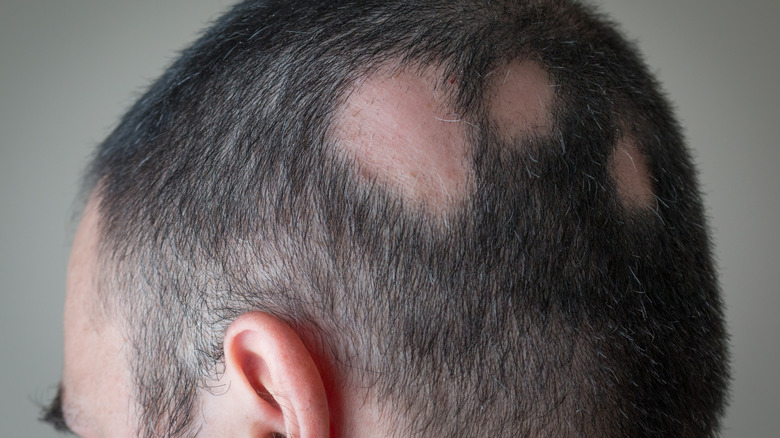
Even though graying as we age can be a concern, keeping a hold of as much hair as possible is the main aim for many of us. While age-related hair loss is common in adults over the age of 50, alopecia areata is a hair loss condition that can affect people of all ages, and it turns out your hair color could influence the likelihood.
A large case study using the information of over half a million individuals from the UK Biobank compared the instances of alopecia areata with the natural hair color of the participants. The results showed that those with black or dark brown hair were significantly more likely to have alopecia areata than those with light brown or red hair. Blonde hair was even less likely to be affected than all other hair colors. While the reasons for the marked differences are not yet known, the apparent connection between lower-melanin hair colors and decreased chance of alopecia areata opens the door to further research into the biology of pigmentation and hair loss.
Lowered risk of prostate cancer
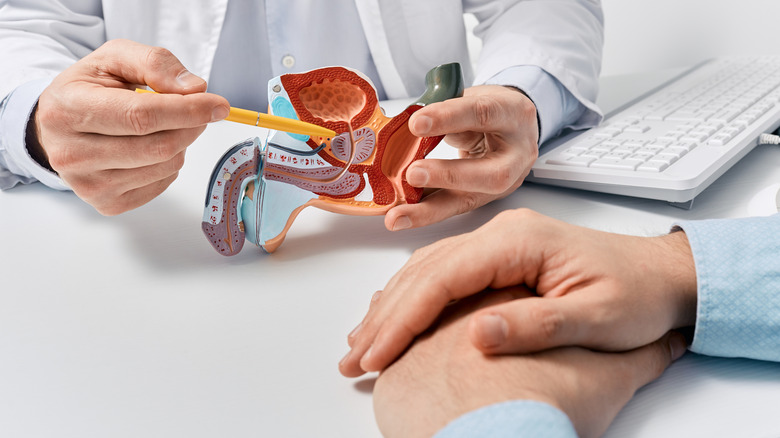
If you thought that redheads were getting an unfair deal in the health stakes — skin cancer, pain sensitivity, and Parkinson's — there is some good news too, for one half of the redhead population at least. In a study published in the British Journal of Cancer in 2013, it was found that men with red hair were significantly less likely to develop prostate cancer than those with brown hair.
The study involved more than 20,000 Finnish men, all of whom were smokers and aged 50–69 years old at the start of the study. The final results showed that those with red hair were half as likely to develop prostate cancer as those with light brown hair. While a reason for this difference in risk has not been confirmed, the researchers speculated that it could be related to the MC1R gene variant or vitamin D absorption, something that future studies could potentially investigate.