

Death Threatens A Deeply Inbred Deer Population As Deformities And Disease Increase
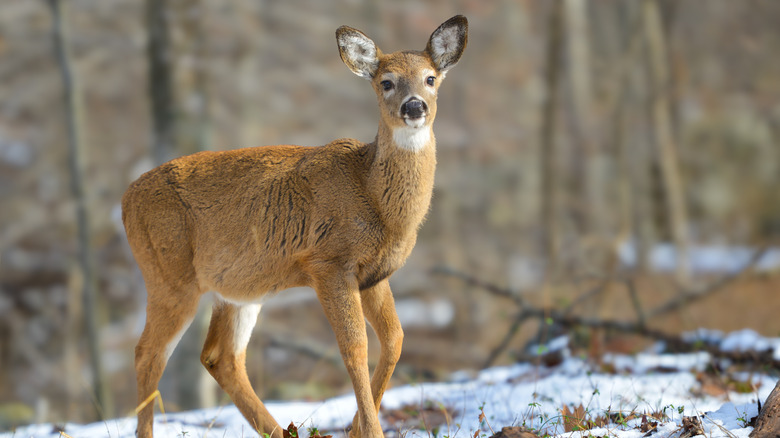
In the Upper Peninsula of Michigan, a herd of deer has lived in an enclosed pen that has served as an attraction for 75 years. While beloved by the local community, the care these animals received was deemed insufficient by the United States Department of Agriculture (USDA). After acknowledging that bringing the deer pen up to code would be costly, the Iron Mountain City Council voted to euthanize all the deer by gunshot. Understandably, many questioned why the city could not simply release the deer, as there are plenty in the area, thriving outside of this enclosure. However, after three-quarters of a century spent isolated, releasing this population would essentially serve as a death sentence.
Many of these deer face health concerns after decades of inbreeding, which makes it impossible to safely release the animals into the wild and very difficult to find a willing group to take them. With the population remaining isolated for so long, genetically related deer mated and gave rise to offspring with a lack of genetic diversity that makes these animals more susceptible to disease. A city council member cited that many of these deer have respiratory diseases as well as "elf foot," in which their hoofs are elongated and scoop upwards like the cartoon shoe of an elf.
Lack of genetic diversity and health outcomes

One thing that severely reduces wild survivability in these deer is that they are somewhat domesticated at this point. They have spent such a long time in isolation that when someone cut the fence to release the deer, none of them left. A lack of instinct and loss of the social skills of wild deer mean that they would likely not make it very long outside of the pen.
Additionally, as mentioned above, inbreeding can lead to significant health issues and increased susceptibility to disease. Some genes are resistant to certain disease-causing bacteria and parasites, and the more genetically diverse a population is, the more resistant genes it'll have. Additionally, disease-causing microbes adapt more easily when a population is genetically similar, as they are essentially learning to fight the same guards. This allows certain diseases to thrive as they pass from individual to individual.
This is not to say that all wildlife enclosures are deleterious and genetically homogenous. In settings like this, it is simply important to monitor the population, manage breeding pairs, and introduce new members if diversity is low. However, those steps were not effectively implemented in this situation, possibly due to a lack of necessary resources and funding. While castration of the bucks was proposed to let the population naturally die out, the city council voted it down because of the funding it would take to maintain this pen in the meantime.
The problems with the deer pen
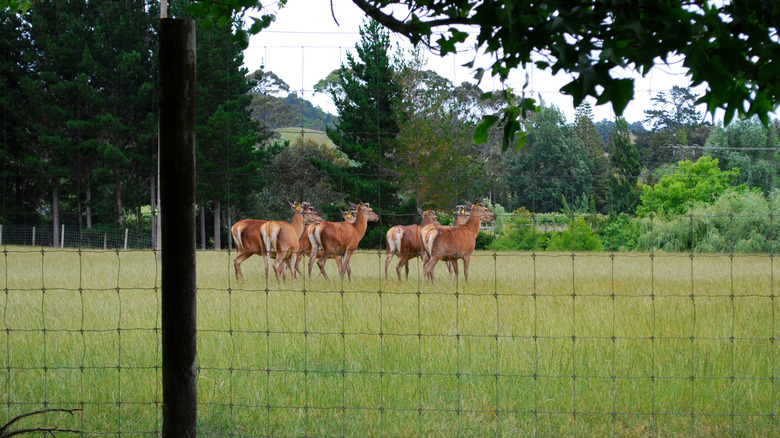
The USDA cited a number of issues within this enclosure, including a lack of adequate fencing, shade, and drinking water. The pond that serves as the sole water source often freezes in the Michigan winter and is commonly used as a toilet by local bird populations. Additionally, the inspector noted that there was no on-site veterinarian. The small population of Iron Mountain, totaling 7,500, and the poor conditions of the deer pen make finding a veterinarian to employ full-time a difficult task.
Due to strong public outcry, things seem to be at a standstill. But unless a solution is decided upon, the facility will be shut down, and the deer will die. Officials are exploring transporting the deer to a different facility, but the animals will first need to be tested for tuberculosis, and a new license must be secured to safely and legally move them. Following these protocols is important to reduce the risk of disease spread.
Overall, this is a solemn situation as human choices created the conditions that have led to the current health issues, inadequate shelter, and possible euthanasia that these deer face. During the USDA inspection last year, a veterinarian identified six deer that exhibited poor health to be culled. The herd now totals about 17 deer. The importance of properly maintained and protected wildlife areas will only continue to grow as urbanization increases, and cases like this emphasize the necessity of adequately cared for facilities.