

Unsettling Reasons Why You Should Never Sleep With The Lights On
We may receive a commission on purchases made from links.
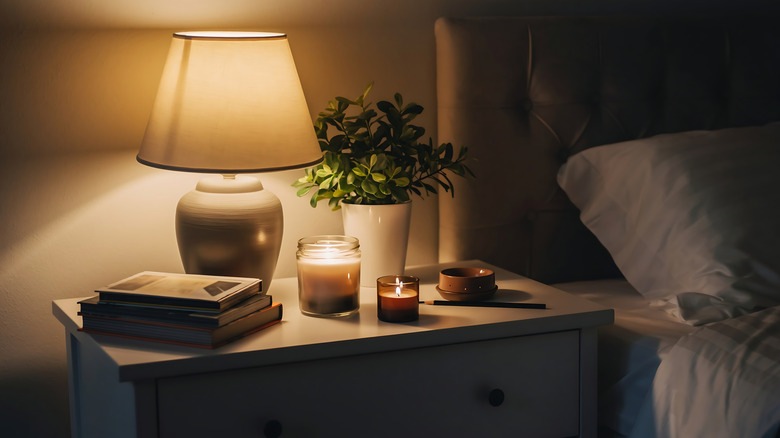
A very common ritual before drifting off to sleep is to turn on the TV or stare at a phone. There are so many cozy bedtime stories on YouTube, and maybe scrolling through TikTok will encourage sweet dreams of adorable dogs acting silly. Or you might fall asleep while reading a book and not turn off your bedside lamp. Going through the stresses of everyday life is exhausting and can make winding down a difficult and daunting task, so who wouldn't turn to a source of mindless entertainment? The problem is that there is abundant research to show that light at night can disrupt your sleep and mess with your health more than you know.
One fascinating thing is that the body operates on a 24-hour cycle known as a circadian rhythm. Many physical functions need to work together to promote wakefulness in the daytime and rest at night. Therefore, it probably makes sense that the persistent setter of this internal clock is light. Because light entrains your circadian rhythms, lots of light just before and during bedtime can really throw off the cycle. While this might seem like a very small issue, research has demonstrated a link between light at night and risk for various health conditions, including mood disorders and cardiovascular issues.
How the internal clock is set
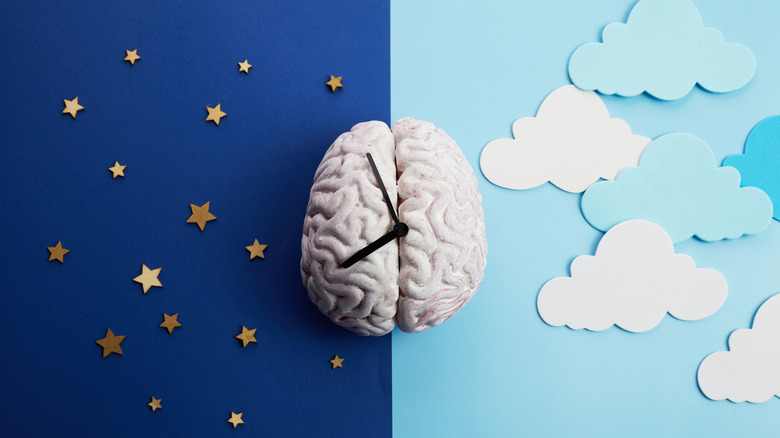
If your body is an orchestra, the suprachiasmatic nucleus (SCN) is the conductor, working to keep every facet on tempo. The SCN serves as a circadian pacemaker and is located in the hypothalamus, an important brain structure for physical regulation. As light enters the eye, photons are translated into electric signals, which are the language of the brain, by neurons in the retina. That information is then delivered directly to the SCN by the retinohypothalamic tract. You might think that this wouldn't matter when your eyes are closed to go to sleep, but eyelids are thin, and so some light still enters your retina through the closed lid.
These signals to the SCN have important downstream effects on wakefulness and sleep. For instance, light can activate an SCN pathway that inhibits melatonin production and release. This hormone plays a key role in regulating sleep, and inhibition can lead to poor rest. This effect is seen even in low light conditions, so if you live in an area with high light pollution, you might want to get blackout curtains or a sleep mask.
But sleep is not the only physical function regulated by circadian rhythms. Your immune system, digestive system, metabolism, and other hormone levels, such as cortisol, are all affected by circadian rhythms. Maintaining harmony with your internal clock is an important component of homeostasis, and disruptions might cost more than a little bit of sleep.
The dangers of blue light
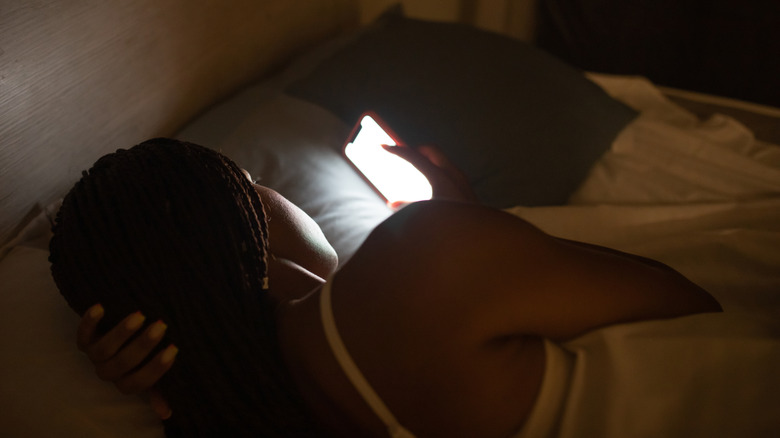
Not all wavelengths of light have the same effects. The worst offender of circadian nighttime entrainment is blue light. This spectrum of light is emitted from electronic screens, including TVs, phones, and tablets, and can increase alertness, which is probably the last thing you want when it is time to sleep. With that in mind, some physicians recommend avoiding screen time three hours before bed.
Additionally, blue light has been shown to negatively affect vision, even leading to the damage and subsequent loss of some cells in the retina. Moreover, a few studies have demonstrated that it can harm the lens of the eye and lead to the formation of cataracts. It is important to note, however, that there are not enough data to support that the average amount of blue light encountered through the use of digital devices reaches toxic levels.
Sleep deprivation is related to many health issues and is connected to poorer health outcomes overall than a bit of blue light. So, if you find that you cannot get enough sleep without the TV, keep in mind that rest is best. Try putting your devices on a sleep timer so that the blue light won't emanate the entire time you are asleep.