

Why Death By Mosquito Is One Of The Worst Ways To Die
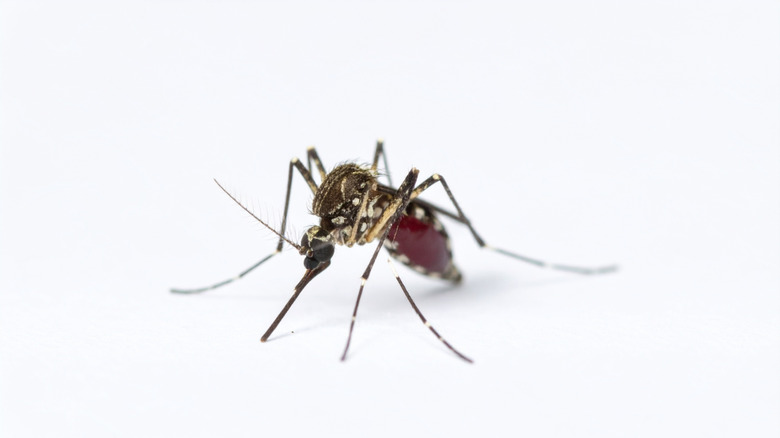
The world's deadliest animal isn't the shark, nor the hippo, nor the dangerous tick, nor the polar bear; the world's deadliest animal is the mosquito. Mosquitoes can kill with a single sting, which is why the insect is at the top of most people's list of animals they'd like to see go extinct. Mosquitos kill over 700,000 people every year, and their deadliness is a direct result of the diseases that they transmit. And even if it doesn't kill you, the experience of a mosquito's diseases is nothing short of miserable. When travelling in mosquito-infested areas, your best bet is using DEET to ward off mosquito bites — but even then, only a small percent of DEET is effective, so there are no promises.
In fact, the 700,000 annual deaths from mosquito-transmitted diseases might be overly conservative. The CDC estimates that malaria alone causes 608,000 deaths globally per year, and that's not the only mosquito-transmitted disease. The top three diseases transmitted by mosquitoes are malaria, dengue fever, and yellow fever, which are especially fatal among children. However, mosquitoes can also transmit chikungunya, West Nile virus, Zika virus, and Eastern, western, Japanese, La Crosse, and St. Louis encephalitis. Most of these diseases are viral, though the biggest killer, malaria, is parasitic. That's why vaccines can prevent many mosquito-borne diseases, such as dengue and yellow fever, yet those who die of mosquito-borne diseases are usually in poor areas with little access to healthcare.
The most common mosquito-induced death is malaria, which is felt by 249 million people per year, according to the CDC. Around 95% of malaria deaths occur in Africa, and the experience is far from glamorous. Combined with other mosquito-borne diseases, mosquito-caused deaths could number over a million per year. And regardless of the specific disease under the scope, any mosquito-borne death is undeniably brutal.
Dying from malaria is rough, and dying from dengue is even rougher
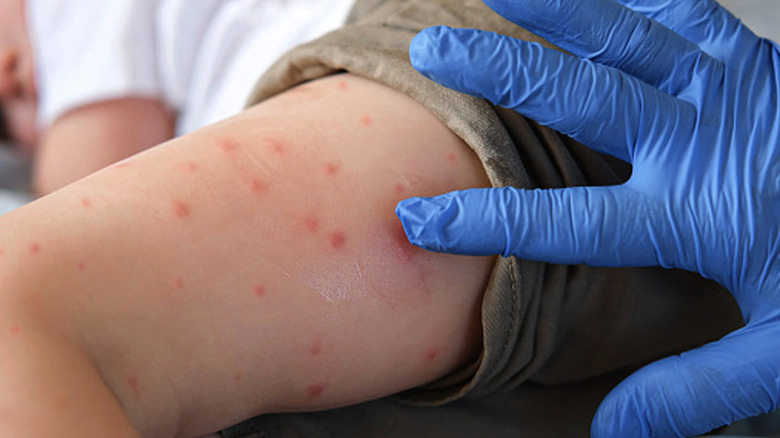
The first most common mosquito-induced illness is malaria. The World Health Organization estimates that there are 249 million cases of malaria every year, which result in well over 600,000 deaths. Overwhelmingly, most of those deaths occur among children below the age of 5, largely in African nations where access to medical services are limited. The parasite causes extreme fatigue, impaired consciousness, convulsions, breathing problems, bloody urine, jaundice, and "abnormal bleeding." Severe cases progress rapidly, and death within 24 to 48 hours is highly possible without treatment.
The second most common mosquito-borne killer is dengue fever. It's estimated that 96 million people contract the disease and show symptoms, and around 40,000 die from it every year. That gives dengue a mortality rate of roughly 0.04% — placing it far outside the range of the deadliest epidemics in history, but it's still common enough to warrant concern. Dengue's pervasiveness is heightened by the fact that only one in four people infected with the disease will even experience symptoms. For those who do, the experience is awful. Severe cases typically involve the rapid onset of a high fever, with aches and pains throughout the body, nausea, vomiting, and a rash. Dengue is like a lottery: You either experience no symptoms at all or a total corporal breakdown.
The third most common mosquito-borne killer is likely yellow fever. Most people survive the infection thanks to vaccination campaigns, yet up to 200,000 yellow-fever infections still occur annually and around 30,000 people die every year from it. The symptoms are much like those of the flu: fever, chills, muscle aches, headaches, and the loss of appetite. It's no wonder mosquitoes are humanity's fiercest killer — their diseases cause prolonged suffering rather than quick death. Vaccines are the best protection.