

Scientists Still Debate These 6 'Useless' Organs
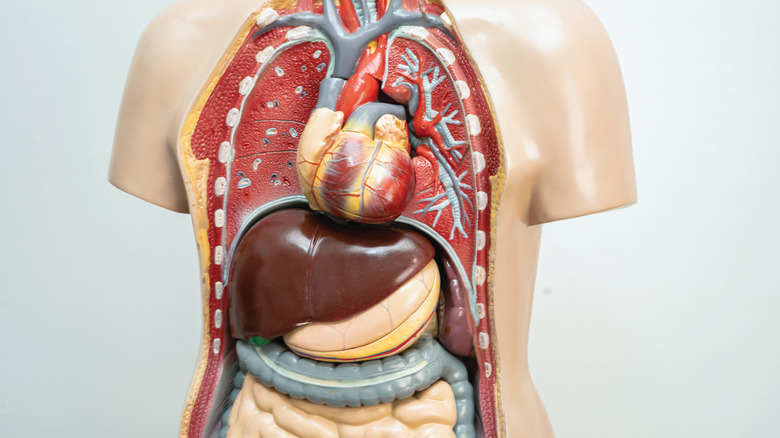
Organs are complex structures that have specific functions to keep you healthy. Some of these are even required for basic survival. For example, the human body consists of numerous organs that are considered vital; you can't really survive without the anatomy of the brain, nor your heart and lungs. Many other smaller organs have carried the reputation of not being "essential," however, including the appendix, spleen, gallbladder, and more.
However, this doesn't mean non-essential organs are entirely useless. In fact, there's a lot of historical debate about just how important some of these non-essential organs really are, even if humans can technically live without them. Some of these previously deemed "useless" organs are better understood thanks to modern science, and we know their true functions. At the same time, some people need to have a non-essential organ completely (or partially) removed — sometimes, they're organs that are likely to develop cancer or there might be other health reasons and even certain emergency situations. These are some of the nuances to keep in mind as we work through some of the more historically misunderstood non-essential organs.
Appendix
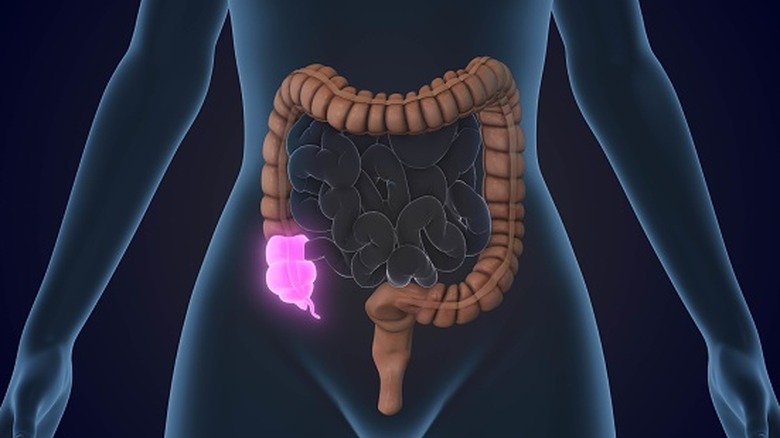
The appendix is a small, often overlooked organ that connects to the colon. Sometimes an emergency removal of the appendix (appendectomy) is necessary in cases of an infection or severe inflammation (appendicitis). Since you can live without an appendix after removal, this finger-shaped organ previously had a reputation for being "useless." However, your appendix might not be as useless as you think.
Now we know just how much the appendix was misunderstood for so long, as well as what role it plays in human health. It not only contributes to your overall gut health, but it's also thought to help balance out the microbiome. What's more, the appendix houses its own T-cells and B-cells, which contribute to your overall immune system function.
However, an appendectomy is still a preferred treatment modality for appendicitis. When left untreated, appendicitis can cause possible life-threatening complications, such as a burst appendix and abdominal cavity infection (peritonitis). Despite the necessity of an appendectomy in such emergencies, there's a slight risk of developing more infections or immune-mediated diseases over the course of your lifetime once this organ is removed. The good news is that other parts of the immune system will ultimately spring into action to replace the functions of the appendix.
Colon
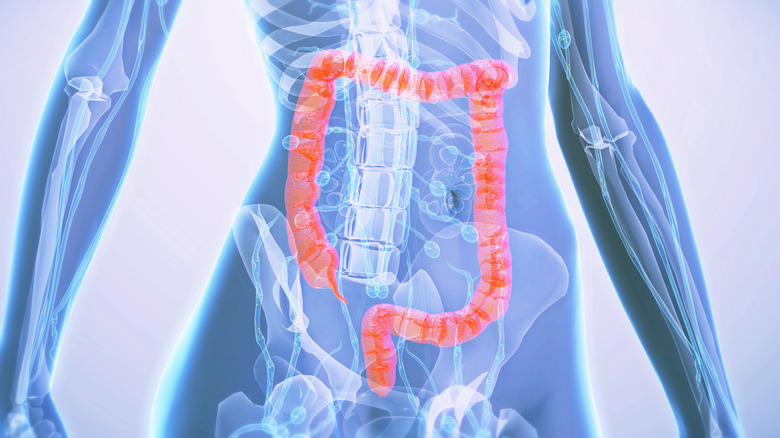
As one of the 10 major body systems, the digestive system is made up of several important organs. One notable example is the liver, which is part of the digestive tract and is also considered an essential organ you cannot live without. Other organs in this system include "hollow organs" within the gastrointestinal tract, such as your colon. While sometimes referred to as the large intestine, the colon is actually just a part of this organ, and it connects between the small intestine and anus. Its primary function is to help convert some of the leftover components of partially digested foods into waste.
Given its important roles in the body, you might be surprised to learn that you can technically live without a colon. Sometimes a partial or total colectomy can even be a life-saving procedure to treat cancer or an emergency bowel obstruction. Colon removal is also necessary for severe damage due to inflammatory bowel diseases, such as Crohn's disease and ulcerative colitis.
With that said, colectomies are never recommended unless absolutely necessary, and there's also debate over whether a total colectomy ought to be performed when a partial colectomy might suffice. Colectomies must also be followed up with ostomy procedures, which involves the creation of a new exit point for waste to leave the body.
Gallbladder
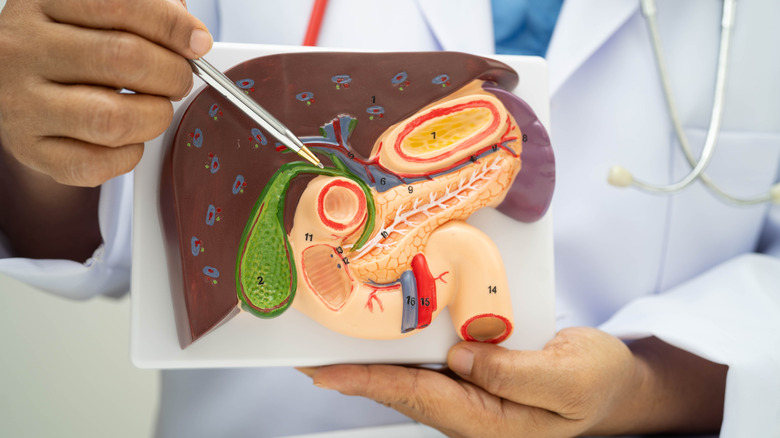
The gallbladder is responsible for storing bile from the liver and releasing it at the appropriate time to help digest fatty foods you eat. Not only does this help your body absorb fat-soluble nutrients, but it also helps to prevent some not-so-pleasant digestive issues from consuming dietary fats. Nevertheless, doctors may occasionally recommend gallbladder removal (cholecystectomy) to help address certain conditions affecting the organ. One notorious example is the formation of gallstones, which can sometimes lead to severe inflammation that causes a gallbladder attack. Symptoms can include severe abdominal pain, fever, nausea, vomiting, and jaundice. Gallbladder cancer is another possible reason why a person's gallbladder might require removal, though this disease is rare.
Despite the function of the gallbladder, this is yet another example of an organ that is considered non-essential. But while you can live without a gallbladder, you will no longer have the bile needed to convert dietary fats into fatty acids. This can lead to short-term digestive issues when eating fatty foods. What's more, not everyone with gallstones needs a cholecystectomy unless they are symptomatic. This is especially true if you have diabetes, as the risk of gallbladder surgery might outweigh any potential benefits. In fact, some people with this gallbladder problem may have what's known as "silent gallstones," which do not cause attacks or any signs of overall gallbladder dysfunction. (It's possible you might have these hardened deposits and not even know it!) If gallstones do cause symptoms, though, some doctors prefer trying non-invasive or minimally invasive treatments first, such as medications or endoscopic removal, respectively.
Spleen
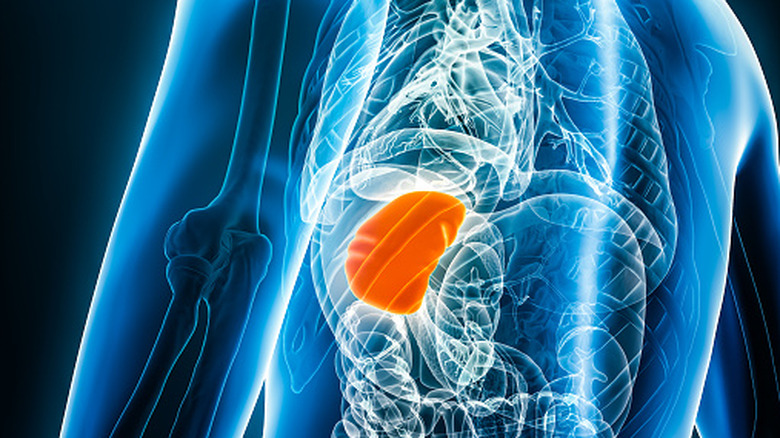
The spleen is an often overlooked organ in the human body. While located above your stomach and nearby critical digestive organs, the spleen isn't technically part of the gastrointestinal system at all. In fact, this organ is a member of your lymphatic system, and it plays a huge role in the immune system. But despite its importance, scientists did not start to fully understand the function of the spleen until the 20th century.
Not only does the spleen filter blood cells, but it also creates antibodies to protect the body from infections, stores blood platelets and red blood cells, and even helps to metabolize iron. Sometimes a doctor may recommend spleen removal (splenectomy) to address certain chronic or acute health conditions. In such cases, the benefits of a splenectomy could outweigh the risks of leaving the lymphatic organ in place.
While you can live without a spleen, you're also more prone to developing infections in the long-term. This points to the spleen's importance in the immune system, where it helps with filtering both blood cells and germs. Nevertheless, a splenectomy can be a life-saving procedure in cases where the spleen is enlarged, significantly damaged, has tumors, or bursts and causes internal bleeding. A splenectomy may also be recommended for certain leukemias and blood cell disorders.
Thymus
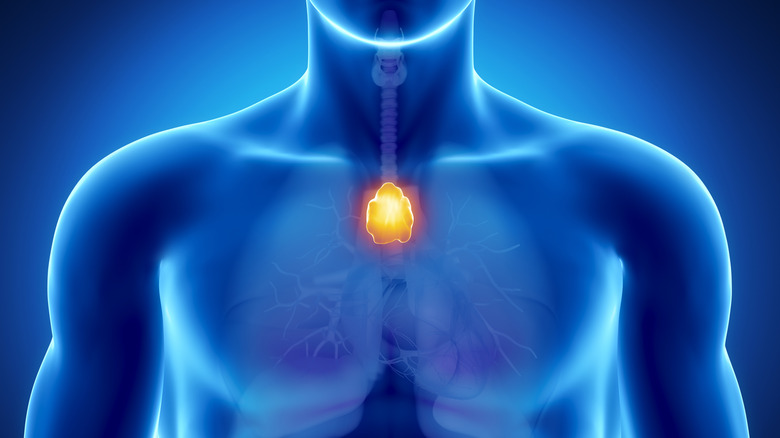
While there's some debate over whether certain non-essential organs in the human body ought to ever undergo any type of surgical removal, scientists once believed the thymus gland was useless. It turns out, however, that this "useless" organ is more important to your health than previously thought. This small gland is located in front of your heart, and it was once considered a more important entity in children than adults. While you can technically live without the thymus gland, researchers have revealed how this lymphoid organ contributes to your immune system throughout your lifetime. Not only does the thymus help provide T-cells in the immune system during childhood, but research published in the New England Journal of Medicine in 2024 confirmed that this often-forgotten lymphoid organ could also help regulate the adult immune system, too.
No matter how useful or non-essential the thymus gland might be considered, this lymphoid organ is rarely removed. Only about 1,000 people in the U.S. undergo thymectomies every year. While the aforementioned 2024 study suggests that thymus removal could lead to immune system issues, increased risk of cancer development, and even death, thymectomies are still indicated for certain health issues. A doctor may recommend thymus gland removal if benign or malignant tumors grow on the organ. It's also used as a possible treatment method for myasthenia gravis, a type of autoimmune disease that causes progressive muscle weakness. It's thought that the thymus gland may play a role in blocking certain antibodies that contribute to myasthenia gravis symptoms.
Tonsils

Like the thymus gland, your tonsils are other types of lymphoid organs that support the immune system. A person is both with one pair of tonsils, with each located on either side of the back part of your throat. Their job is to fight germs, particularly those that are either ingested or inhaled.
You may know someone or have family members who no longer have their tonsils because of a previous tonsillectomy procedure, however. While these lymphoid organs normally help to catch and filter germs to protect you from illnesses, these entities are vulnerable to issues themselves. Prior to the 1970s, tonsillectomies used to be common, and they are sometimes used to treat tonsil infections (tonsillitis). The surgery may also help address other tonsil-specific issues such as tonsil inflammation, stones, or cancers. However, doctors no longer prescribe this procedure very often. A medical professional may try to treat tonsillitis with antibiotics first before considering tonsil removal. It turns out that tonsillectomies are usually reserved for cases of chronic tonsillitis, recurring sore throats, sleep apnea, or more serious conditions such as cancer or rare cases of hemorrhagic tonsillitis.
Still, it should be noted that a tonsillectomy doesn't mean your body can no longer fight infections (in fact, other parts of the immune system will step up and help). However, the absence of tonsils may lead to a risk of complications in some people, including changes in smell, taste, speech, and hearing. As a final note: a 2019 retrospective cohort study published in the British Journal of Clinical Practice estimated that about 7 out of 8 children who underwent tonsillectomies were unlikely to experience any substantial health benefits.