

What Happens When Airstrikes Trigger Environment Disasters
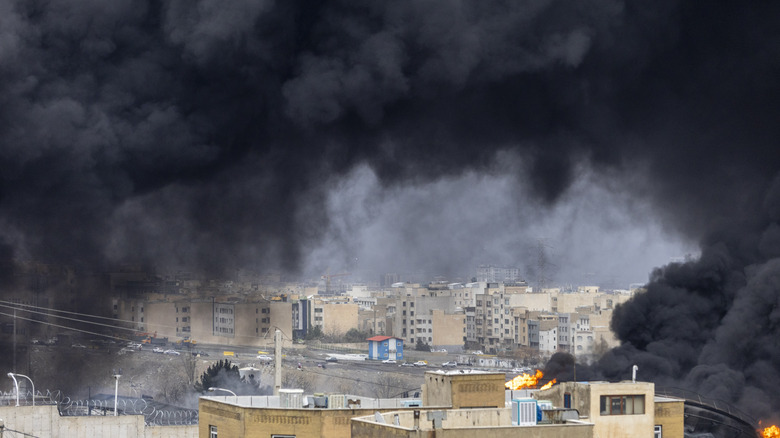
In addition to direct fatalities and immediate devastation, the recent airstrikes in Iran will result in long-term environmental damage. On March 7 and 8, 2026, U.S.–Israeli airstrikes targeted 30 oil depots, which caused the World Health Organization to issue a warning about the enormous detrimental effects this would have on public health. Fires continued burning in these oil facilities for days, as dark smoke filled the air. Alarmingly, what appeared to be black rain fell from the sky, and people described a burning sensation in their eyes along with sore throats.
This occurred as smoke carried dangerous particles from the burning oil, which became collected in the moisture as rain descended. These particles included soot (partially burnt carbon) and polycyclic aromatic hydrocarbons, which are chemicals known to have detrimental health outcomes in large amounts. Additionally, the burning of oil causes the release of sulphur dioxide and nitrogen oxides, which can lead to the formation of acid rain.
Nitrogen oxides and sulfur dioxide react with water and oxygen in the air to form nitric and sulfuric acid, respectively. These compounds lower the pH of the rain, which can disrupt the natural ecosystem. Additionally, the clouds that carry this harmful precipitation can be transported over large distances by the wind. Acid rain can further negatively impact plant and animal life by lowering the pH of soil and local bodies of water, making it difficult for plant and marine life to thrive. This affects food sources for many species, leading to further negative effects downstream.
Weapons of war leave a lasting impact on the environment
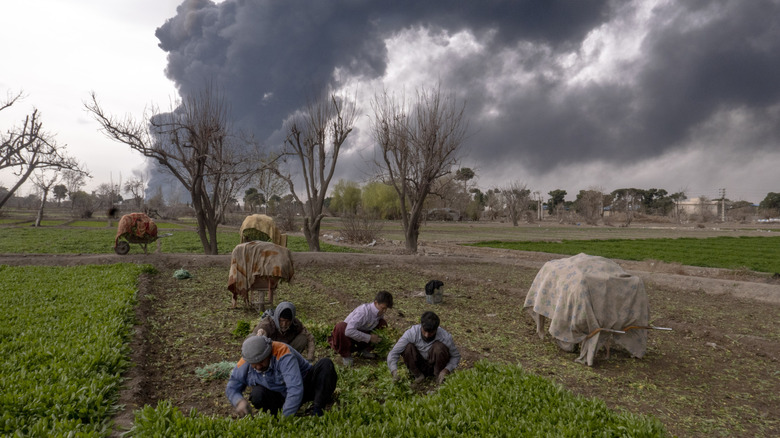
Though the extent to which these events will continue to impact the environment remains to be seen, we know that war can lead to widespread ecological damage. Moreover, experts have stated that monitoring the environmental impacts of this conflict in real time has become increasingly difficult due to internet restrictions, satellite delays, and the continually growing number of incidents. While limited research exists, it is known that the use of explosive weapons can lead to the contamination of water. Oil spilled from these attacks in particular has reached the storm drainage system in Tehran and faces the risk of feeding into natural bodies of water and the surrounding soil.
Another factor potentiating climate effects is the black carbon permeating the atmosphere from these airstrikes. These particles are known to accelerate climate events, including rising temperatures. The recent bombings in Iran have been compared to oil fires that raged during the Gulf War in Kuwait. In that case, black carbon from oil fires was carried to glaciers in Northern Tibet. There, the dark particles rested on the surface of the ice, reducing the glacier's ability to reflect solar radiation and increasing its absorption, resulting in higher temperatures. Therefore, such catastrophic explosive events could contribute to warmer temperatures in other parts of the world. A model projecting the travel of smoke from the airstrikes suggests that some soot may be carried to Siberia, where many glaciers reside.
Environmental damage and health outcomes
Reports of water contamination have already surfaced around Tehran. Scientists warn that there are potentially carcinogenic (cancer-causing) pollutants in the waterways that could have profound health effects. Drought had already generated poor access to drinking water in Iran, and the country is known to have high levels of water stress. Experts emphasize that the airstrikes will only worsen this problem in the future.
As smoke from burnt oil pollutes the surrounding air, many people will be exposed to and inhale toxic substances. In addition to its projected effects on the climate, black carbon is known to have detrimental impacts on health, leading to cardiovascular and respiratory issues as well as increasing the risk of lung cancer. Other substances carried in the smoke, like fine particulate matter, can lead to widespread systemic damage, including neurological disorders.
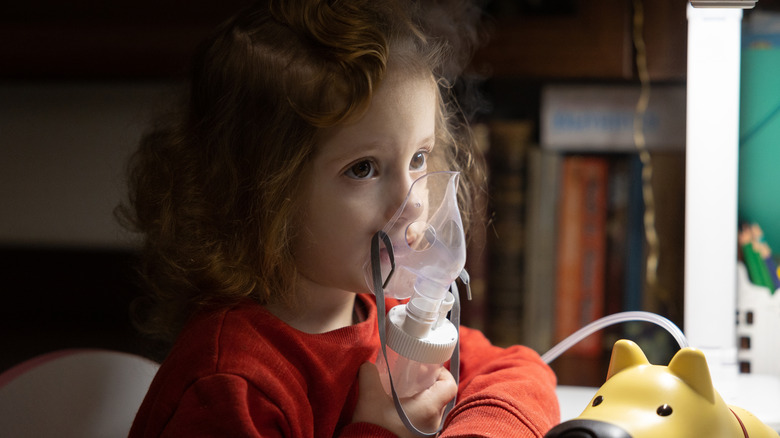
The most vulnerable populations are people with existing respiratory conditions, children, and the elderly. Although masking and staying indoors can limit exposure to such harmful pollutants, those options are not always available in wartime. Overall, health is closely tied to the state of the environment, and such catastrophic events are bound to generate not only acute but also long-term deficits. The gravity of these lasting effects will rely on the illumination of time and further study. Meanwhile, continued global conflict can only amplify the impact on nature and humanity.