

The 'Ozempic Face' Phenomenon Is Easily Explained By Science
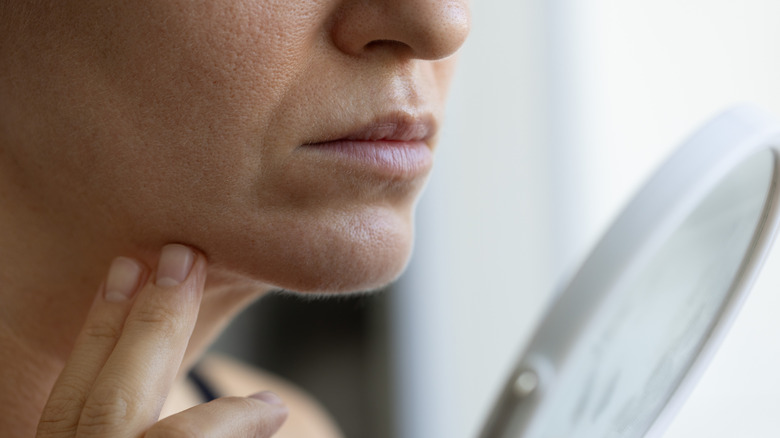
The use of GLP-1 receptor agonists such as semaglutide (brand names Ozempic and Wegovy) have certainly gained prominence in conversations surrounding weight loss. While Ozempic is still only FDA approved for treating type 2 diabetes, this injection is prescribed off-label for overweight and obesity, similar to how certain medications are used off-label for anxiety symptoms. You may also be familiar with the common gastrointestinal side effects of this common diabetes drug (though another drug might hold the key to slower aging), such as nausea, diarrhea, and abdominal pain. But more recently, another term has emerged with GLP-1 usage that describes secondary effects associated with rapid weight loss: "Ozempic face."
Over the past few years, other GLP-1s besides Ozempic have emerged on the market specifically for weight loss. This includes the FDA approval of an oral version of Wegovy, which was considered a big scientific breakthrough in 2025, as well as tirzepatide (Zepbound) injections. Regardless, many people use the terms Ozempic and GLP-1s interchangeably. Just as the word "Ozempic" has gained notoriety, so have some of the medication's side effects.
It's important to know that "Ozempic face" is not an established medical term. Instead, it describes a phenomenon that occurs in some people who take GLP-1s, and refers to some of the facial changes users might experience after taking this medication for weight loss. These include sagging facial and neck skin, as well as the onset of new wrinkles or an appearance of hollowness in the face overall. "Ozempic face" was thought to be first coined by cosmetic dermatologist Dr. Paul Jarrod Frank after he started seeing an uptick in patients looking for help with this side effect.
The scientific explanation behind so-called 'Ozempic face'
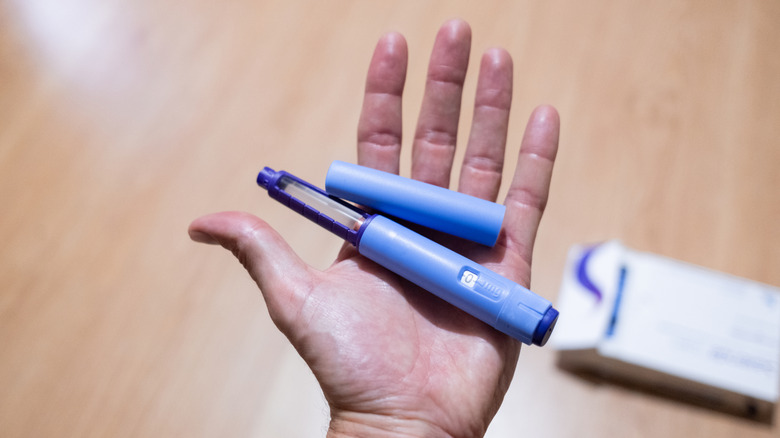
Despite the fact that this is not a medical condition, there are some scientific explanations for related "Ozempic face" signs and symptoms. Rather than GLP-1s like semaglutide causing face changes directly, these effects can develop after rapid weight loss. In other words, sagging skin post-weight loss is not exclusive to weight loss drugs, and the effects aren't necessarily seen in the face only. Rapid weight loss can also cause these signs and symptoms in other body parts such as the abdominal area, thighs, and arms. The quicker a person loses weight, there's an increased risk that saggy skin might occur due to the loss of subcutaneous fat beneath the skin. What's more, rapid weight loss from any method can decrease collagen and skin elasticity. Granted, while fat loss in the face might not be entirely preventable, losing weight more gradually could possibly reduce the risk of sagging facial skin.
Also, while you might be seeing more about "Ozempic face" online and in social media, the exact statistics of this side effect are not known. However, findings from a 2025 systematic review in the Aesthetic Surgery Journal suggested a possible link between increased interest in cosmetic surgery with growing GLP-1 use. As GLP-1 usage may increase in the U.S., it will be interesting to see whether clinical studies might dive more into the prevalence of facial skin changes among people taking these medications.