

The Tropical Fruit That Might Slow Down Aging

The quest to find ways to reduce aging has been a constant endeavor throughout modern human history. Whether people want to "look younger" or "live longer," it seems like there are constantly new anti-aging treatments that promise consumers they can achieve such goals. However, scientists are also looking at how certain foods might influence human aging. This includes an often overlooked tropical fruit: papaya (Carica papaya). Rather than being a sort of miracle fruit for aging though, research shows that some of the key nutrients in papaya might be linked to reduced effects of aging on the brain.
Native to Central and South America, papaya is often grown in tropical climates, such as Hawaii, the Caribbean, and parts of south Florida. Papayas are perhaps not as commonly eaten as other more mainstream tropical fruits such as bananas, avocadoes, mangoes, and pineapples, but despite their lack of ubiquity, papayas have a lot to offer from a nutritional perspective. In particular, the fruit offers a large number of antioxidants, such as vitamins A, C, and E, as well as lycopene and lutein. While the human body produces small amounts of other types of antioxidants, these micronutrients are largely derived from the foods we eat. All antioxidants work by protecting cells in the body from damage from free radicals, including those that might contribute to chronic diseases.
Antioxidants in papaya may even be linked with potential anti-aging benefits, and have thus garnered a lot of attention as a possible anti-aging skin agent. It's not just the skin that could benefit from papaya, though. By reducing free radicals in the brain, it's possible that antioxidants can provide some important protective effects there, too.
What the science says about papaya and brain aging
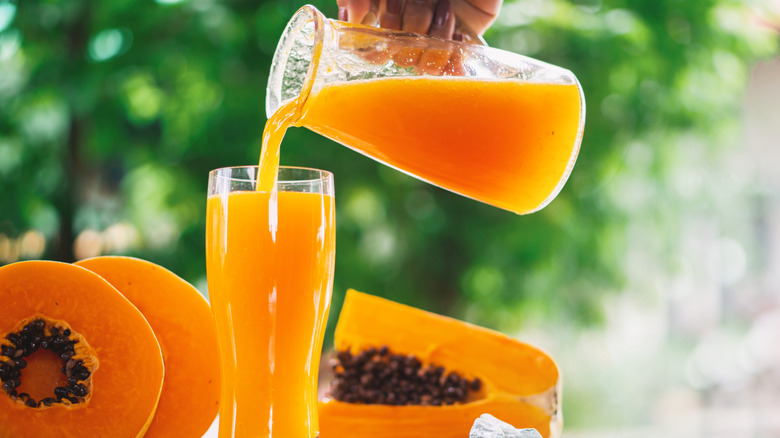
Current research suggests that the nutritional components of papaya may slow down some of the effects of aging on the brain. First, a 2022 study in the Journal of Clinical and Translational Research found that papaya pulp may improve cognitive function while also reducing anxiety and stress. The study authors hypothesized that the antioxidants in papaya pulp could reduce damage to brain neurons from free radicals associated with oxidative stress. It's important to note that this was a rodent study, though. Separately, another study on rats found that papaya juice enhanced neuroprotective effects of semaglutide (brand names Ozempic and Wegovy), and reduced the risk of a type of diabetes-induced brain condition called diabetic encephalopathy. These findings were published in Scientific Reports in 2026.
While these two studies were based on rodents and would need human participants for confirmation, an older study on people with Alzheimer's disease also suggests that papaya may have beneficial effects on the brain. Published in Mediators of Inflammation in 2015, this study found that fermented papaya reduced oxidative stress in people with this common form of dementia.
The bottom line? The possible anti-aging benefits of papaya on the brain are noteworthy, with more human studies needed to confirm whether eating papaya on a regular basis could have such cognitive effects. Rather than being the sole protective agent against aging, you can instead think of papaya as a food that might complement an overall healthy lifestyle to protect against free radicals.