

The Final Reflex Doctors Check Before Declaring Brain Death
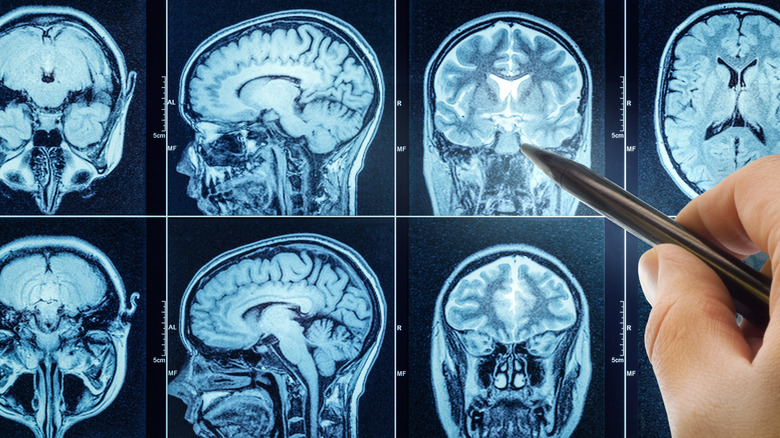
Although it receives a lot of attention, brain death is relatively rare, accounting for around 2% of all adult hospital deaths in the United States. There are also misconceptions around what brain death is and what it means. Other conditions like a vegetative or minimally responsive state can somewhat resemble brain death, as can hypothermia or drug intoxication. To diagnose brain death, doctors go through a series of tests before making a final check called an apnea test to see if the patient has retained the most basic reflex: breathing.
Starting in the 1970s medical technology made it possible to keep people alive by supporting breathing and circulation even without brain function. This led to the drafting of the Uniform Determination of Death Act in 1981. This act stated that brain death meant the irreversible stopping of breathing and circulation and that all brain activity, including in the brain stem, which is the part of the brain that controls breathing and heartbeat, has stopped. In 1995, the American Academy of Neurology established clear medical standards defining brain death.
What is brain death?

The American Academy of Neurology defines brain death as being when all functions in the entire brain, including the brain stem, the part of the brain that controls breathing and heartbeat, have completely and irreversibly stopped. Brain death occurs when brain tissue stops getting enough oxygen. This leads to swelling and increased pressure inside the skull, which further reduces blood and oxygen flow to brain tissue. Without oxygen, brain tissue dies.
Trauma from a blow to the head is a common cause of brain death in adults. Trauma can directly damage brain tissue, causing increased pressure inside the skull and reduced blood flow to brain tissue. Trauma can also cause bleeding between the brain and its surrounding protective layers, something called a subarachnoid hemorrhage, which can increase pressure inside the skull. Brain death can also result from a loss of blood flow to the brain after cardiac arrest if cardiopulmonary resuscitation isn't started soon enough.
Patients sometimes recover from traumatic brain injuries that cause them to go into a coma, that is, to become completely unresponsive to stimuli. Coma is the first part of the diagnostic checklist for determining brain death, but because correct diagnosis is so important, physicians must follow a strict set of steps after determining a patient is in a coma.
How doctors diagnose brain death

Medical staff need to clearly know what caused the coma from physical examination, laboratory testing, or medical imaging. Guidelines also require a long enough waiting period for drugs or neuromuscular blocking agents to have left the patient's body and for the person to have a normal core temperature and blood pressure.
Next a doctor would need to check for brain stem reflexes like eyes reacting to light or physical touch, eyes turning when the head is turned or ice water is placed into the ear, and reactions to stimulation of the throat. In the absence of these reflexes, physicians would then go on to the third and final check, apnea testing. In apnea testing the patient is removed from a ventilator and checked for signs of breathing for eight to 10 minutes. If there are no signs of breathing, and blood tests show a significant increase in CO2, the patient is diagnosed as brain dead.
In some cases, physicians will carry out other tests for brain death to confirm their diagnosis or when apnea testing is inconclusive. These include imaging of blood flow to the brain using radioactive tracers, ultrasound tests to look for pulsing arteries in the brain, or exams to detect electrical activity. After a diagnosis of brain death a patient would then be declared legally dead and withdrawn from life support or prepared for organ donation depending on patient and family preferences.