

The Cranberry Juice 'Myth' That Has Science Divided
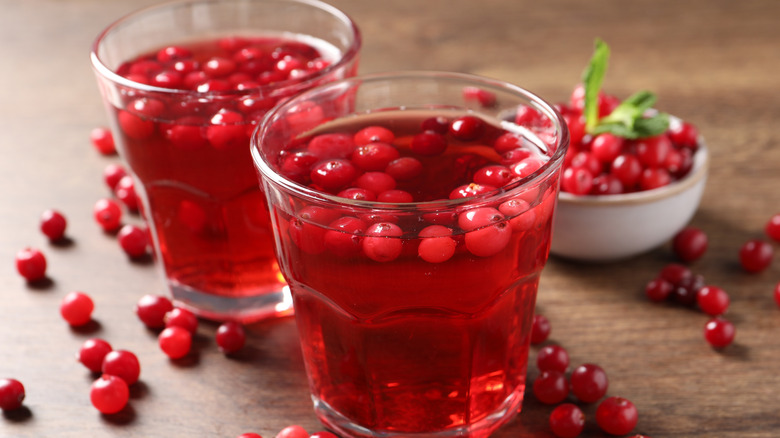
Most of us have been told that cranberry juice is a great protector against urinary tract infections (UTIs). We reach for a vodka-cran during a night out and allude to the medicinal benefits. However, while this folk remedy has been around for centuries, it might surprise you to learn that the scientific evidence is controversial and still debated. Although some studies support this age-old claim, others have found no benefit. Does this mean you should kick that cranberry cure to the curb?
A UTI is an infection that occurs within the urinary tract system, which includes the bladder, kidneys, and urethra. Typically, these infections are caused by bacteria, such as E. coli. These infections are much more common in females, due to a shorter urethra and a smaller distance separating reproductive organs from the urinary tract. About 50% of people assigned female at birth will contract a UTI at some point.
Often, UTIs cause pain or discomfort, and they can occasionally become serious, particularly if the infection spreads to the kidneys. Symptoms generally include abdominal pain (usually concentrated in the lower part of the abdomen), the presence of blood in urine, a frequent impulse to urinate, and pain when doing so. Additionally, UTIs can lead to the development of a fever and chills in certain cases. With the discomfort of these infections, as well as their extreme commonality, it makes sense to search for a readily accessible means of prevention, but does cranberry juice achieve this?
The debated cranberry science
Cranberries contain a particular group of flavonoids called proanthocyanidins (PACs) with A-type linkages. This specific factor is thought to exhibit an antiadhesive effect on certain bacteria, including E. coli. Therefore, the hypothesized mechanism through which cranberries might prevent UTIs is that these flavonoids, which become present in urine after being consumed, prevent bacteria from nestling into the urinary tract and causing an infection.
While this could be a convincing mechanism, another thing to consider is the amount of PACs you ingest based on the way in which you consume cranberries. For instance, juice is not typically composed of 100% cranberries. Often, there can be other elements that dilute the relative amount of cranberries you get with each serving. A review published in 2024 showed that 36 milligrams or more of PACs a day was enough to keep the urologist away. Therefore, some suggest taking cranberry capsules to achieve this amount more efficiently. However, consider that these are supplements, and a general lack of regulation in this space means the actual amount and purity of what you take can vary greatly.
Regardless, whether cranberry juice or capsules are an effective measure of prevention is still hotly debated. While some studies show no effect of cranberry supplementation, other studies have demonstrated a significant preventative benefit. Even though some of these discrepancies could be due to differences in the method of delivery and dosages, more clinical studies are necessary to determine whether there is truth underlying this particular home remedy.
To cranberry or not to cranberry, that is the question
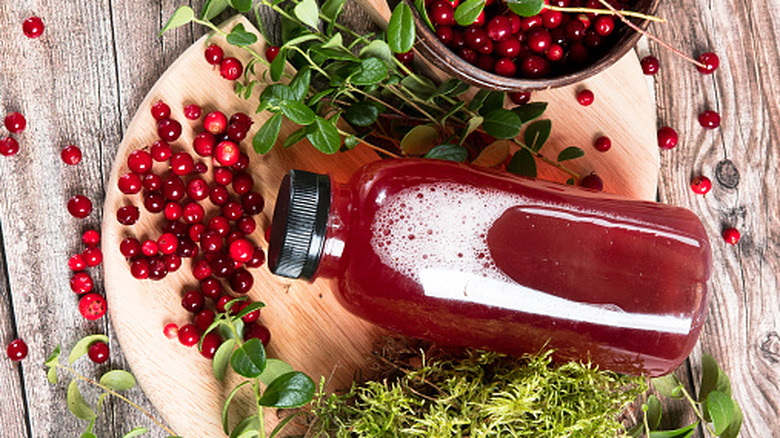
If you are compelled to throw away all of your cranberry juice, keep in mind that it does not hurt the situation. One common factor that can increase the risk of developing a UTI is dehydration. While water is the best go-to, if you are more compelled to stay hydrated with cranberry juice, go for it. However, because the scientific jury is still out, don't feel pressured to consume cranberries daily. We all know that UTIs are wildly unpleasant, and if cranberry juice makes you feel better about things, there is nothing wrong with that. Just don't feel the need to add it onto your already-expensive grocery list if you don't want to.
The most important thing to keep in mind is that, even if cranberry juice does work in this context, it is a preventative measure, not a treatment. Meaning, if you have a UTI, seek medical care. No amount of cranberry juice is going to have the same effect as an antibiotic. Additionally, if you are prescribed an antibiotic, be responsible: don't just stop taking the antibiotic when symptoms improve. Doing this could lead to the generation of antibiotic-resistant bacteria, and you do not want that.
So is the cranberry juice thing a total myth? We do not fully know. While this may be a disappointing conclusion, it only emphasizes the need to perform thorough and replicable scientific investigations, even for folk medicine.