

The Truth About The '5-Second Rule' Is Easily Explained By Science
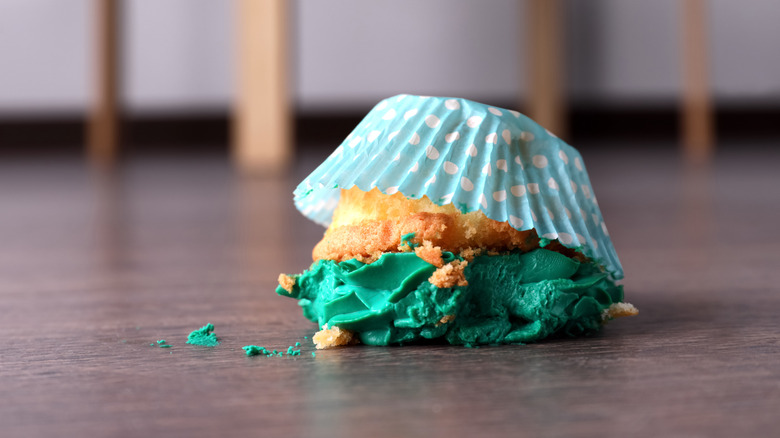
Most people have heard of the five-second rule, and many of us have even invoked it after dropping food on the floor. The idea behind this principle is that it takes five seconds for germs to transfer from the floor, ground, or other surface onto a piece of food. And while the five-second rule can ease negative feelings over wasting food, science tells a different story. Researchers have found that different types of bacteria can move onto food very quickly; however, the speed at which they transfer depends on the type of food and the surface involved.
It can be easy to dismiss the risks posed by a dropped piece of food, especially if the kitchen floor has recently been mopped. However, even if there's not a trace of dirt on the floor, people and pets are constantly tracking germs around wherever they go. Bacteria are everywhere, and while some germs are harmless, that sparkling kitchen floor could also harbor germs like E. coli that can cause serious illness. The Centers for Disease Control and Prevention estimates that surface cross-contamination, which includes food dropped on the floor, is the sixth most common factor involved in foodborne illness.
Not all floors are created equal
While it takes far less than five seconds for bacteria to move onto a piece of food, scientists have found significant differences in transfer time. A 2016 study by researchers from Rutgers University, looked into how transfer time, surface materials, and types of food influenced how bacteria transferred to food. They found that longer contact times and more contaminated surfaces resulted in more transfer.
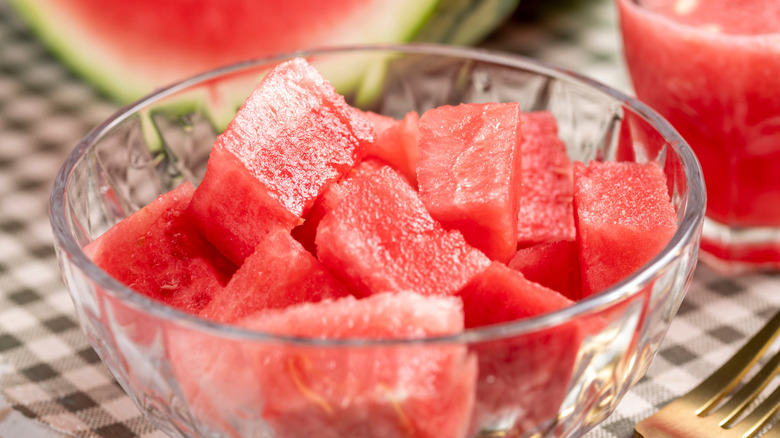
Water is essential for bacterial growth, so it's not surprising the researchers also found that foods with a high water content like watermelon had lots of bacteria transfer on to them. Additionally, bacteria transferred to watermelon quickly, in some cases in less than one second. The research also noted that surface material mattered. Carpets had the lowest transfer rates while stainless steel and tile surfaces transferred bacteria more quickly. Although these findings show that bacteria can transfer onto food in far less than five seconds, they also indicate that the transfer can take varying amounts of time. Even though bacteria transfer may take a while, you follow the five-second rule at your own peril.
Dropped food can make you sick

Somewhere around 9 million people experience a case of foodborne illness in a typical year. And while unpleasant, foodborne illness is not a serious threat for most. However, small children, people with weakened immune systems, and the elderly are more at risk. In a typical year, 55,000 people will be hospitalized and around 1,300 will die from foodborne illness. This makes it important to remember that the best option is to throw away dropped food.
While tossing dropped food in the trash is the safest bet, there are other contamination risks that we should keep in mind. The floor may harbor bacteria, but so do cutting boards, kitchen tools, phones, doorknobs, and our hands. Experts recommend using separate cutting boards for meat and for fruits and vegetables. People should also thoroughly wash their hands with soap and water before preparing and eating food.
Science shows us that germs move from surfaces to food at different speeds depending on the surface, type of food, and level of contamination. However, this doesn't mean that it's perfectly safe to eat dropped food if you pick it up quickly enough, even if you invoke the five second rule.