

The Sleep Position That Could Increase Your Risk Of Heart Problems

Good sleep is one of the most important, yet often neglected, parts of staying healthy. Like exercise and nutrition, the benefits of getting enough, but not too much, sleep are clear; however, the position you sleep in is also important. A 2024 study found that people who slept more often in a supine position, that is, lying flat on your back, were more likely to experience chest pain during the study period.
The study authors used data from the Sleep Heart Health Study, a prospective cohort study intended to look into sleep apnea and other disordered breathing as cardiovascular disease risk factors. The analysis looked at 4,458 participants, 2,363 of whom were female, with a median age of 64. Sleep study data on the participants showed that subjects slept in a supine position around 33% of the time.
After accounting for differences in age, race, body mass index, stress levels, and blood pressure, the researchers found that an increase in the percentage of time slept in a supine position was associated with an increase in episodes of chest pain. However, the study did not include information on how much time its subjects slept in other positions such as lying on their right or left sides.
The best sleep positions for health
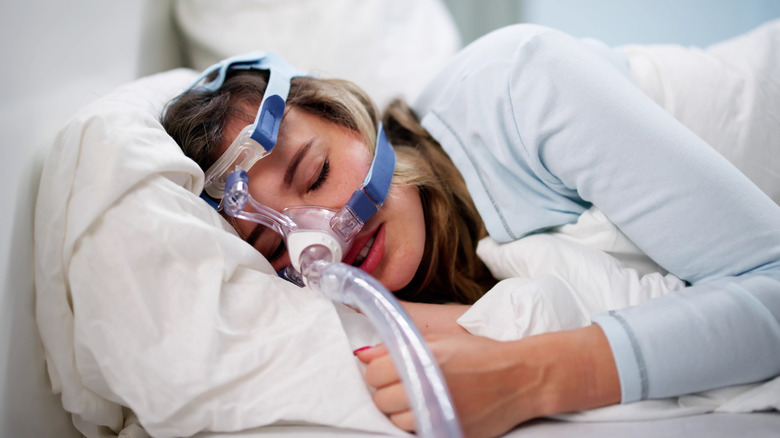
There are some cases where experts say you should sleep on your left side in particular. For example, women are often advised to sleep on their left side during pregnancy to improve uterine blood flow and potentially reduce leg and ankle swelling. In addition, later in pregnancy the uterus can press on the inferior vena cava, the largest vein in the human cardiovascular system, possibly restricting blood flow. Left-side sleeping is also recommended for people who experience gastric reflux since sleeping on the left side keeps the barrier between the stomach and esophagus above the stomach.
In contrast, someone with heart failure might sleep on their right side because sleeping on their left side can cause discomfort or shortness of breath. People with sleep apnea are also advised to avoid supine sleeping as this can make symptoms worse. While sleeping, people with sleep apnea stop breathing multiple times throughout the night. This leads to poor sleep quality and can cause oxygen levels in the blood to go down. Sleep apnea is also associated with irregular heartbeat and high blood pressure, which are associated with cardiovascular disease risk.
Changing sleep habits can be hard
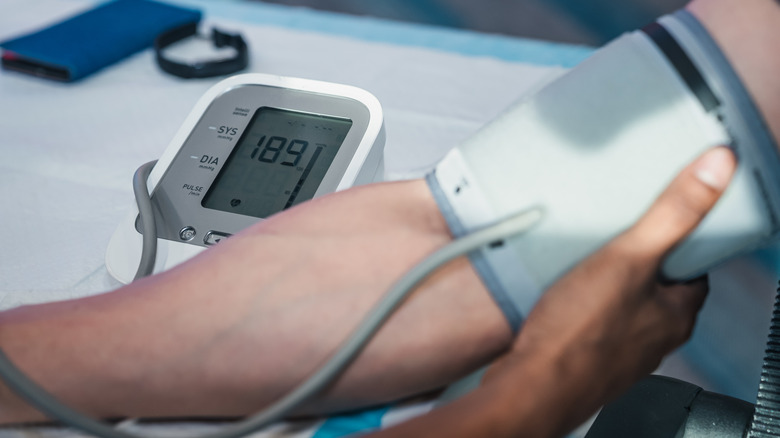
Experts recommend getting seven to nine hours of quality sleep per night and some evidence shows that getting more or less than this is a habit that can be harmful. Sleep position is important for people with conditions like sleep apnea, gastric reflux, and heart failure; however, sleep position can be as much a habit as bedtimes, waking times, and sleep duration. Thus, habitual supine sleepers might find it challenging to sleep on their side at first. In many cases those people simply need time to adjust, but being unable to find a comfortable sleeping position after a reasonable adjustment period could indicate a problem. For example, a person who can only sleep sitting in a recliner should see a doctor.
While certain sleep positions are known to help with conditions like sleep apnea and gastric reflux, more research is needed to definitively find a link between sleep position and chest pain. Future studies that look at sleep position in more depth could help determine which sleep positions are best for cardiovascular health. However, for now the best advice is to consider getting quality sleep every night as important as proper nutrition and exercise when it comes to decreasing cardiovascular disease risks.