

Some Of The Unhealthiest Foods For Your Heart, According To Science

As the old saying goes, you are what you eat. Nutrition is a crucial part of overall health and that of the cardiovascular system, and while there are a variety of diets out there, one thing that remains clear is that many ultra-processed foods are not healthy choices for daily consumption. In a 2024 study, scientists looked into the eating habits of a large group of American adults and found that sugary drinks and processed meats were among the unhealthiest foods for your heart.
The study used health and nutrition data on more than 200,000 adults from three large-scale studies conducted over the last 30 years. The researchers then combined that data with findings from an additional 19 studies to have information on 1.25 million people. They analyzed how much of each person's diet was made up of ultra-processed foods, the types of ultra-processed foods they consumed, and the rates at which subjects were diagnosed with cardiovascular disease or stroke. Their analysis found that those who ate the most ultra-processed foods were 17% more likely to develop cardiovascular disease than those with minimal consumption of these products.
What makes a food ultra-processed?
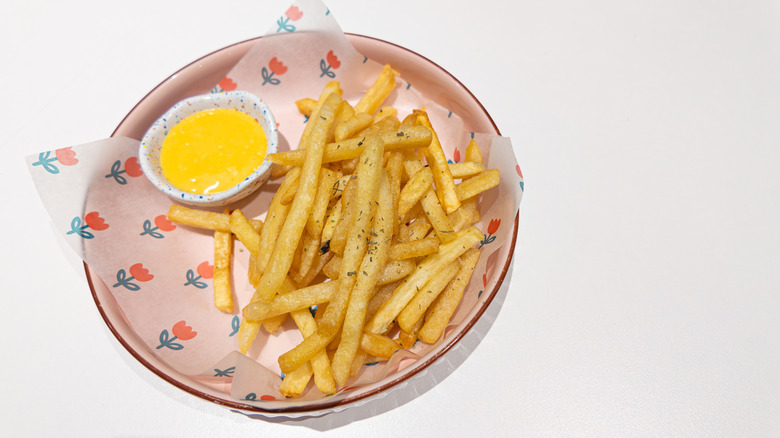
Foods can be divided into a few categories based on how much they have changed from their source ingredients. These categories include unprocessed or minimally processed foods like fruits and vegetables, processed culinary ingredients like flour, processed foods like pasta, and ultra-processed foods like ready-to-eat meals or packaged snacks. Ultra-processed foods contain ingredients that make them more palatable, shelf stable, or otherwise appealing to consumers.
For example, some manufacturers add sugar and hydrogenated vegetable oil to peanut butter to change its taste and keep its oil from separating at room temperature. Peanut butter made from nothing but peanuts and salt is high in calories, but these additions make it much less healthy to consume.
Ultra-processed foods make up more than half of the average American adults' dietary intake. These foods often contain excess calories, added sugars, high levels of sodium, and unhealthy fats. Additionally, some of the stabilizers, flavor enhancers, and other additives that make ultra-processed foods shelf-stable and appealing are associated with changes to intestinal bacteria, inflammation, metabolic disturbances, and in some cases damage to heart tissue. Other studies have also associated high consumption of ultra-processed foods with greater risks of obesity, high blood pressure, diabetes, and cardiovascular disease.
The good and the bad of ultra-processed foods
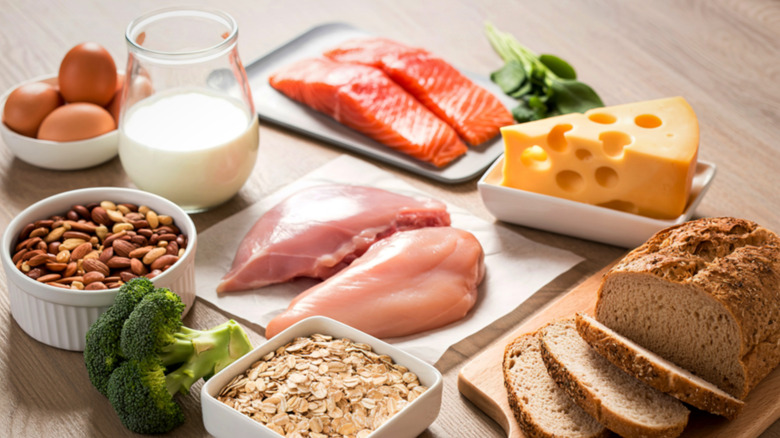
The study's findings reinforce what other research has told us for years: that ultra-processed foods can be unhealthy. However, not all ultra-processed foods are equal. While many have excess calories and potentially harmful additives, yogurt-based desserts, cereals, and whole-grain breads also fall under the ultra-processed food umbrella. To get a more complete picture of how ultra-processed foods impact health, the researchers created 10 categories of ultra-processed food that included breads and cereals, processed meat, and sugary beverages.
The analysis found people who consumed large amounts of processed meats and drinks sweetened with either sugar or artificial sweeteners were more likely to be diagnosed with cardiovascular disease. However, bread and cold cereals, yogurt and dairy-based desserts, and savory snacks were associated with lower risk of heart attack and stroke. This could be due to the fiber found in cereal and whole-grain bread and probiotic bacteria or fatty acids in yogurt; however, more research is needed to fully understand it.
Ultra-processed foods have a negative connotation overall, and research shows that for some types of products this is valid. Many experts recommend a diet rich in minimally processed foods, but we can distinguish between different types of ultraprocessed foods when deciding what to eat.