

Drinking Cranberry Juice Could Have An Unexpected Effect On Your Heart Health
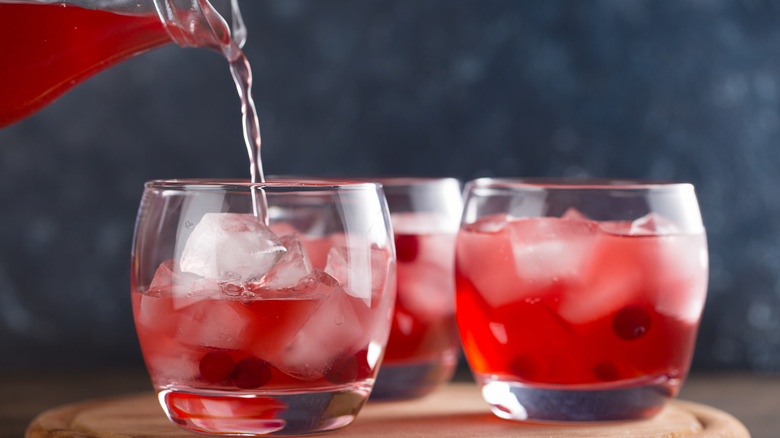
Cranberries are among the healthiest fruits you can eat, thanks to their high antioxidant content. While you can technically eat them raw, most people tend to enjoy dried, canned, or juiced varieties. The latter formula is arguably the easiest way to get your cranberry fix, and it's also gained some traction for an accessible method of obtaining some of the possible health benefits of this fruit. Notably, this includes urinary tract health and reducing the risk of related infections in some people. The benefits of cranberries may go well beyond keeping urinary inflammation at bay, with one 2022 review in Molecules pointing to possible roles in helping to prevent metabolic diseases, cancers, type 2 diabetes, and more. An additional effect of cranberry juice has to do with your heart health. In particular, this beverage could help reduce the risk of coronary artery disease by managing certain risk factors for this common heart condition.
Both cranberries and cranberry juice are rich in polyphenols called anthocyanins, which are plant compounds that carry antioxidant and anti-inflammatory benefits in the body. When considering the human heart, anthocyanins may decrease blood pressure as well as harmful LDL cholesterol oxidation. In theory, these factors can reduce coronary artery impairment by preventing plaque buildup in the arteries and also reducing the risk of narrowing and damage that might occur from high blood pressure. While cranberry juice shouldn't be regarded as a complete solution for preventing coronary artery disease, it's still worth exploring as part of an overall heart-healthy diet and lifestyle.
About drinking cranberry juice for coronary artery disease

Although the potential benefits of cranberry juice for coronary artery health are established in scientific literature, you're likely wondering just how much you need to consume. While studies have found that drinking just two 8-ounce servings (2 cups) per day may be enough to reap some of these benefits, there are currently no clear guidelines specifically involving cranberry juice for coronary artery disease prevention. Also, even though 2 cups per day can certainly contribute to the recommended 2 cups of fruit per day as recommended by the American Heart Association, the AHA also counts ½ cup fruit juice as one serving in order to encourage eating whole fruits instead.
You'll also want to keep in mind that not all bottles of cranberry juice are created equal. Many brands have added sugars to help sweeten the naturally tart flavor of the juice, which can also counteract some of the benefits of an otherwise "healthy" beverage. Your best bet is to look for sugar-free versions that contain 100% pure cranberry juice — not blends of several fruit juices. Cranberry juice still naturally contains some amount of sugar, but unsweetened varieties provide a lot less than their sweetened counterparts.
Like anything else, cranberry juice is best consumed in moderation and alongside other heart-healthy habits such as eating more plant-based foods, regular exercise, and stress management. You might consider following the latest blood pressure guidelines from the American Heart Association and tips for healthy sleep positions, too. Finally, a doctor might advise against drinking large quantities of cranberry juice if you take blood thinners like warfarin (Coumadin). Doing so can cause a serious interaction and lead to bleeding because of the high vitamin K content in cranberries.